The Green Shift: How Sustainable Delivery Networks Are Redefining Logistics for the Future
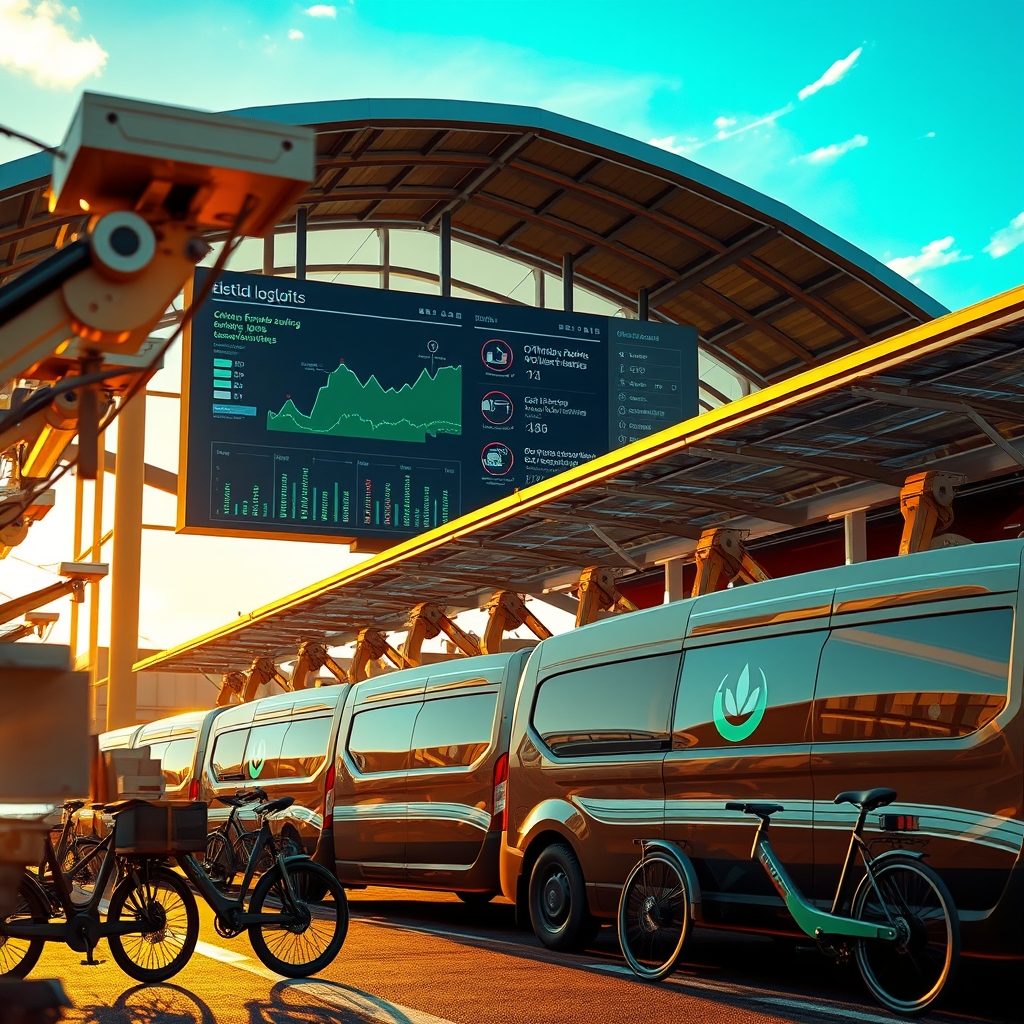
The logistics industry stands at a crossroads, where efficiency and environmental responsibility intersect like never before. As global trade accelerates and consumer expectations soar, the pressure to deliver faster, cheaper, and greener has never been more intense. Sustainable delivery networks are no longer a niche consideration but a cornerstone of modern logistics, reshaping how goods move from point A to point B while minimizing ecological footprints. This transformation is not just about reducing emissions—it’s about reimagining the entire supply chain to align with the principles of circular economy, renewable energy, and long-term resilience.
The Rise of Eco-Conscious Logistics
For decades, logistics operations prioritized speed and cost above all else, often at the expense of the environment. However, the tide is turning as businesses and consumers alike demand greater accountability. Sustainable delivery networks leverage a combination of innovative technologies and strategic partnerships to create systems that are both efficient and eco-friendly. Electric vehicles (EVs), alternative fuels, and optimized route planning are just the beginning. Companies are now exploring solar-powered warehouses, drone deliveries for remote areas, and even cargo bikes for urban last-mile logistics, all designed to cut carbon emissions without sacrificing performance.
Beyond the hardware, software plays a pivotal role in this green shift. Advanced analytics and AI-driven platforms enable logistics providers to model and predict the environmental impact of their operations in real time. By integrating carbon footprint tracking into their dashboards, companies can make data-driven decisions that balance profitability with sustainability. For example, dynamic routing algorithms can identify the most fuel-efficient paths, while load consolidation tools ensure that trucks and containers are filled to capacity, reducing the number of trips required.
Intelligent Route Planning: The Backbone of Green Logistics
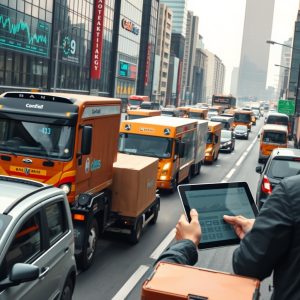
At the heart of sustainable delivery networks lies intelligent route planning—a process that goes far beyond traditional navigation. Modern route optimization tools consider a multitude of variables, from traffic patterns and weather conditions to vehicle load and fuel type, to create the most efficient paths possible. These systems don’t just save time and money; they directly contribute to lower emissions by minimizing idle time, reducing fuel consumption, and avoiding congested routes.
One of the most exciting developments in this space is the integration of predictive analytics. By analyzing historical data and real-time inputs, logistics platforms can anticipate disruptions—such as road closures or sudden spikes in demand—and adjust routes proactively. This level of adaptability ensures that deliveries remain on schedule while also reducing the environmental toll of unexpected detours. For instance, a fleet of electric delivery vans can be rerouted dynamically to avoid charging dead zones, ensuring that vehicles operate at peak efficiency throughout their journeys.
Collaborative Freight Networks: Sharing the Load for Sustainability
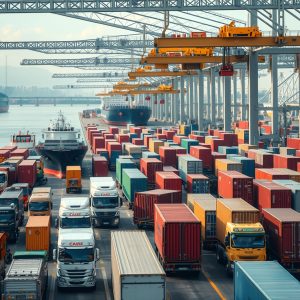
Sustainability in logistics isn’t just about individual companies optimizing their operations—it’s also about collaboration. Collaborative freight networks bring together multiple stakeholders, from manufacturers and retailers to third-party logistics providers, to share resources and infrastructure. By pooling shipments, consolidating loads, and coordinating schedules, these networks reduce the number of partially filled trucks on the road, cutting both costs and emissions.
Platforms like digital freight marketplaces are making it easier than ever for businesses to connect and collaborate. These marketplaces match shippers with available carrier capacity, ensuring that no truck travels empty and that every journey is as efficient as possible. The result is a win-win: companies save money on transportation costs, while the planet benefits from fewer vehicles on the road. In urban areas, where congestion and pollution are major concerns, collaborative networks are particularly impactful, enabling hyper-local transport solutions that reduce the need for long-haul deliveries.
Enhanced Transparency: Building Trust Through Visibility
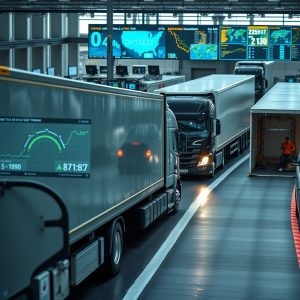
Sustainability isn’t just about what happens behind the scenes—it’s also about how companies communicate their efforts to customers. Enhanced handling transparency is becoming a key differentiator in the logistics industry, as consumers increasingly seek out brands that align with their values. Real-time transit visibility tools allow customers to track their shipments every step of the way, from the warehouse to their doorstep, while also providing insights into the environmental impact of their delivery.
For example, some logistics providers now offer carbon footprint reports alongside delivery confirmations, showing customers exactly how much CO2 was saved by choosing a sustainable shipping option. This level of transparency not only builds trust but also empowers consumers to make more informed choices. It’s a powerful example of how technology can bridge the gap between operational efficiency and customer engagement, creating a logistics experience that is both seamless and sustainable.
The Role of Automation in Sustainable Logistics
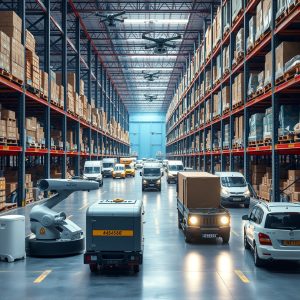
Automation is another critical piece of the sustainability puzzle. Automated shipment fulfillment systems streamline warehouse operations, reducing energy consumption and waste while improving accuracy and speed. Robotics and AI-powered sorting systems can handle everything from inventory management to order picking, ensuring that goods move through the supply chain with minimal human intervention. This not only reduces labor costs but also minimizes errors that can lead to unnecessary shipments or returns—both of which have a significant environmental impact.
In the last mile, automation takes the form of autonomous delivery vehicles and drones, which are particularly effective in reducing emissions in urban areas. While these technologies are still in their early stages, they hold immense promise for creating a more sustainable logistics ecosystem. By taking human drivers out of the equation, autonomous vehicles can operate around the clock, optimizing routes and reducing the need for large, fuel-guzzling trucks in city centers.
As the logistics industry continues to evolve, the focus on sustainability will only grow stronger. The shift toward greener delivery networks is not just a trend—it’s a fundamental rethinking of how goods are moved around the world. By embracing intelligent route planning, collaborative freight networks, enhanced transparency, and automation, companies can create logistics systems that are not only efficient and customer-focused but also kinder to the planet. The future of logistics isn’t just about getting things from point A to point B faster; it’s about doing so in a way that ensures a healthier, more sustainable world for generations to come.