
Beyond Borders: How Air Cargo Services Are Redefining Global Trade and Supply Chain Agility
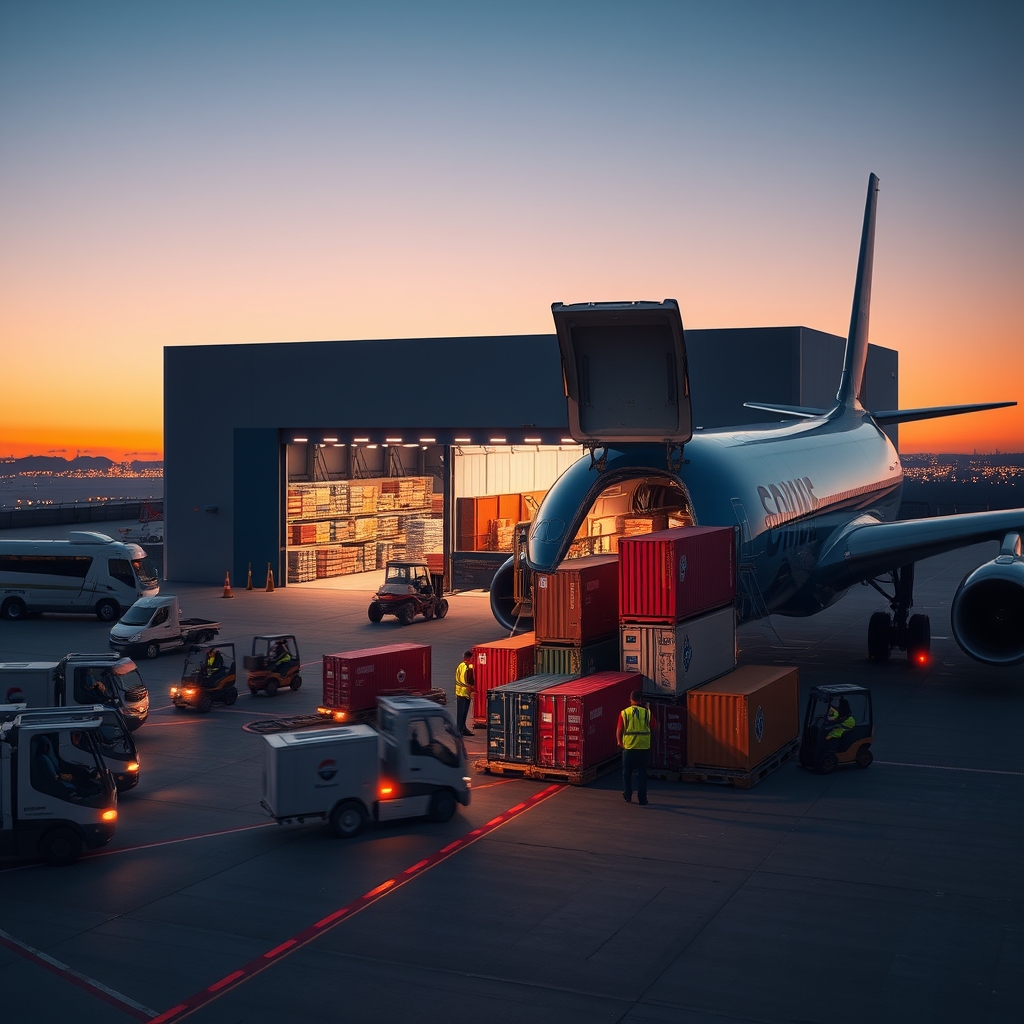
In an era where speed and reliability are the cornerstones of international commerce, air cargo services have emerged as a game-changer for businesses navigating the complexities of global trade. While maritime transport remains the backbone of bulk shipping, air freight offers unparalleled advantages in terms of velocity, security, and flexibility—qualities that are increasingly non-negotiable in today’s fast-paced market. From perishable goods to high-value electronics, air cargo is not just a supplementary option but a strategic necessity for companies aiming to stay competitive in the global arena.
The Speed Advantage: Why Time is the New Currency
One of the most compelling benefits of air cargo services is its ability to drastically reduce transit times. Unlike maritime transport, which can take weeks to deliver goods across continents, air freight can accomplish the same in a matter of hours or days. This speed is particularly critical for industries where time-sensitive deliveries can mean the difference between profit and loss. For instance, the pharmaceutical sector relies heavily on air cargo to transport temperature-sensitive medications, ensuring they reach their destination before their efficacy diminishes. Similarly, the fashion and electronics industries leverage air freight to keep up with rapidly changing consumer demands, allowing them to restock inventory or launch new products with minimal delay.
Beyond the obvious time savings, air cargo also enhances supply chain agility. In an unpredictable global market, disruptions such as port congestion, geopolitical tensions, or natural disasters can bring maritime shipping to a standstill. Air freight provides a viable alternative, enabling businesses to reroute shipments quickly and maintain continuity. This flexibility is invaluable for companies operating in volatile markets or those with just-in-time inventory systems, where even a minor delay can cascade into significant financial losses.
Security and Reliability: Safeguarding High-Value Shipments
Air cargo services are synonymous with security, making them the preferred choice for transporting high-value or sensitive goods. Airports and airlines adhere to stringent security protocols, including advanced screening technologies, restricted access to cargo areas, and real-time tracking systems. These measures significantly reduce the risk of theft, damage, or tampering, which are more prevalent in other modes of transportation. For industries like luxury goods, aerospace components, or confidential documents, the peace of mind that comes with air freight is often worth the premium cost.
Moreover, air cargo offers a level of reliability that is hard to match. Airlines operate on tightly scheduled flight plans, with minimal exposure to external factors like weather delays or port strikes that can plague maritime or land transportation. This predictability allows businesses to plan their logistics with greater accuracy, reducing the likelihood of stockouts or overstocking. For e-commerce giants and retailers, this reliability translates into faster order fulfillment and improved customer satisfaction, which are critical drivers of brand loyalty in a competitive market.
The Role of Technology in Modern Air Cargo Operations
The evolution of air cargo services has been closely tied to advancements in technology. Today, digital platforms and data analytics play a pivotal role in optimizing every stage of the air freight process, from booking to delivery. Real-time tracking systems, powered by IoT devices and GPS, provide shippers with live updates on their cargo’s location, temperature, and condition. This transparency not only enhances security but also enables proactive decision-making in case of unexpected delays or issues.
Artificial intelligence and machine learning are also transforming air cargo logistics. Predictive analytics help airlines and freight forwarders anticipate demand, optimize route planning, and manage capacity more efficiently. For example, AI-driven algorithms can identify the most cost-effective and time-efficient flight paths, taking into account factors like fuel consumption, weather patterns, and air traffic. These innovations are driving down operational costs while improving service levels, making air cargo an increasingly attractive option for businesses of all sizes.
Sustainability Challenges and the Path Forward
Despite its many advantages, air cargo is not without its challenges, particularly when it comes to environmental sustainability. Air freight is one of the most carbon-intensive modes of transportation, contributing significantly to greenhouse gas emissions. As global awareness of climate change grows, businesses and consumers alike are demanding more sustainable logistics solutions. The air cargo industry is responding with initiatives aimed at reducing its carbon footprint, such as investing in fuel-efficient aircraft, exploring alternative fuels like sustainable aviation fuel (SAF), and implementing carbon offset programs.
Companies are also rethinking their supply chain strategies to balance speed with sustainability. Hybrid models that combine air freight with slower but greener modes of transportation, such as rail or sea, are gaining traction. For example, a business might use air cargo for urgent shipments while relying on maritime transport for less time-sensitive goods. This approach not only reduces emissions but also optimizes costs, creating a win-win scenario for both the environment and the bottom line.
Choosing the Right Air Cargo Partner: Key Considerations
Selecting the right air cargo service provider is a critical decision that can impact a company’s operational efficiency and customer satisfaction. Businesses should evaluate potential partners based on several factors, including their global network, transit times, security measures, and technological capabilities. A provider with a robust international presence can offer more direct routes and better connectivity, reducing the need for transshipments and minimizing delays. Additionally, partners that leverage cutting-edge technology, such as real-time tracking and AI-driven analytics, can provide greater visibility and control over shipments.
Cost is another important consideration, though it should not be the sole determining factor. While air freight is generally more expensive than other modes of transportation, the value it delivers in terms of speed, reliability, and security often justifies the investment. Businesses should conduct a thorough cost-benefit analysis to determine whether air cargo aligns with their specific needs and budget. For some, the premium may be a small price to pay for the competitive edge it provides.
As global trade continues to evolve, air cargo services are poised to play an even more pivotal role in shaping the future of logistics. The ability to deliver goods quickly, securely, and reliably across vast distances is no longer a luxury but a necessity for businesses aiming to thrive in the modern economy. By embracing innovation, prioritizing sustainability, and partnering with the right service providers, companies can harness the full potential of air freight to drive growth, enhance customer satisfaction, and stay ahead of the competition. The skies are no longer just a pathway for travel—they are the highways of global commerce, connecting markets, cultures, and opportunities in ways that were once unimaginable.