
Navigating the Global Supply Chain: Strategies for Success in Modern Logistics
The Evolving Landscape of Logistics Management
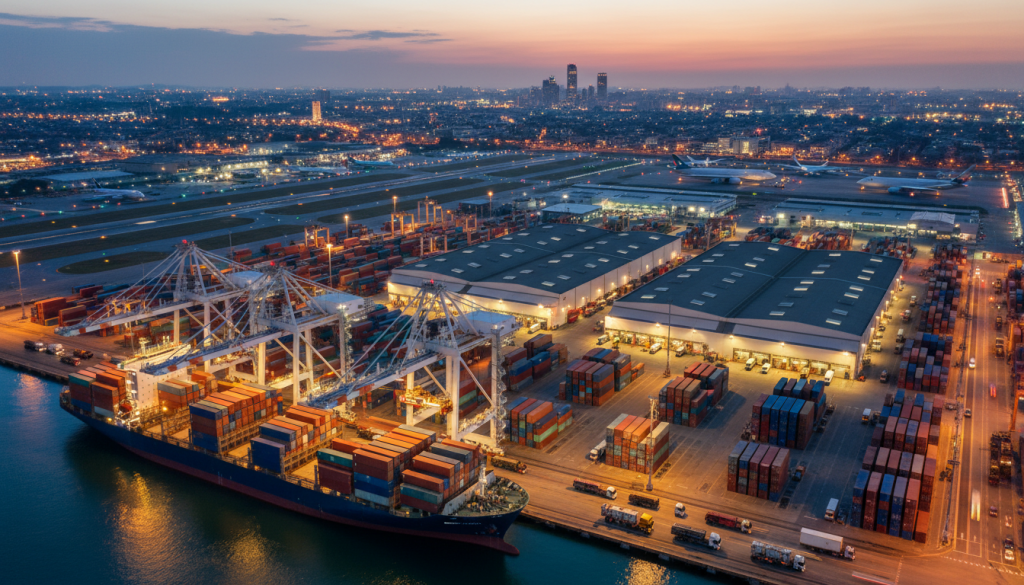
In today’s interconnected world, the efficiency and effectiveness of logistics management are paramount to business success. Gone are the days when moving goods from point A to point B was a simple matter of transportation. Modern logistics is a complex, dynamic ecosystem encompassing every stage from raw material sourcing to final product delivery. This intricate web, often referred to as the supply chain, requires sophisticated strategies, cutting-edge technology, and a deep understanding of global trade dynamics. Businesses that master this discipline gain a significant competitive advantage, reducing costs, improving customer satisfaction, and fostering resilience in the face of disruption.
Key Pillars of Robust Supply Chain Solutions
At the heart of successful logistics lies the concept of comprehensive supply chain solutions. These are not merely about individual services but about the seamless integration of various components. Freight forwarding, for instance, is a critical link, coordinating the movement of goods across international borders, handling documentation, and navigating customs regulations. This often involves a combination of air cargo services, maritime transport, and land transportation, each chosen based on factors like speed, cost, and cargo type. Effective freight forwarding minimizes transit times and ensures goods arrive safely and on schedule, a crucial element for businesses relying on timely inventory replenishment or product launches.
The Critical Role of Warehousing and Distribution
Beyond transportation, warehouse management plays an equally vital role. Modern warehouses are no longer just storage facilities; they are sophisticated hubs for inventory management, order fulfillment, and value-added services. Advanced Warehouse Management Systems (WMS) provide real-time visibility into stock levels, optimize picking and packing processes, and reduce errors. This efficiency is especially critical for e-commerce logistics, where rapid order processing and accurate delivery are key to customer loyalty. A well-designed distribution network, supported by strategic warehouse placement, ensures that products can reach end consumers quickly and cost-effectively, forming the backbone of a responsive supply chain.
Optimizing Last Mile Delivery
The final leg of the journey, known as last mile delivery, often presents the most significant challenges and costs. This is where goods reach the end consumer, and the customer’s experience is directly impacted. Innovations in route optimization software, the use of delivery drones, and the establishment of micro-fulfillment centers are transforming last mile operations. Effective fleet management, including vehicle maintenance, driver scheduling, and real-time tracking, is essential for ensuring timely and reliable deliveries. For businesses, optimizing this stage directly translates to improved customer satisfaction and reduced operational expenses.
Leveraging Technology for Global Logistics
Global logistics demands a sophisticated technological backbone. Supply chain visibility platforms, powered by IoT sensors, blockchain, and AI, offer unprecedented insights into every step of the supply chain. These technologies enable real-time tracking of shipments, proactive identification of potential delays, and better demand forecasting. For companies engaged in international trade, understanding and managing trade compliance and customs clearance is non-negotiable. Partnering with third-party logistics (3PL) providers can offer specialized expertise in these complex areas, ensuring smooth cross-border movements and adherence to all regulatory requirements. This strategic outsourcing allows businesses to focus on their core competencies while benefiting from the specialized knowledge and infrastructure of logistics experts.
Specialized Logistics: Cold Chain and Beyond
Certain industries have unique logistical needs. Cold chain logistics, for example, is critical for the transportation of perishable goods, pharmaceuticals, and temperature-sensitive materials. Maintaining precise temperature control throughout the entire supply chain, from production to final delivery, requires specialized equipment, rigorous protocols, and constant monitoring. Failure to do so can result in significant financial losses and, in the case of medicines, pose serious health risks. Similarly, the management of hazardous materials or oversized cargo requires specific expertise and adherence to stringent safety regulations. These specialized areas highlight the need for adaptable and knowledgeable logistics partners capable of handling diverse and demanding requirements.
Building Resilience in a Volatile World
The past few years have underscored the importance of supply chain resilience. Geopolitical events, natural disasters, and pandemics can disrupt global flows of goods in unpredictable ways. Building a resilient supply chain involves diversification of suppliers and transportation routes, maintaining strategic inventory levels, and developing robust contingency plans. Technology plays a key role here, enabling rapid rerouting and communication in times of crisis. By proactively addressing potential vulnerabilities and investing in flexible logistics strategies, businesses can better weather disruptions and maintain operational continuity. The ability to adapt quickly to changing circumstances is no longer a luxury but a necessity for survival and growth in the intricate world of global commerce.