The Art of Frictionless Logistics: How Tech-Enabled Fleet Monitoring is Redefining Efficiency

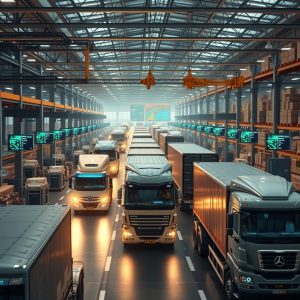
The logistics industry is undergoing a transformation, driven by the relentless pursuit of efficiency, transparency, and customer satisfaction. At the heart of this evolution lies tech-enabled fleet monitoring, a game-changer that is redefining how goods move from point A to point B. By leveraging real-time data, advanced analytics, and automation, businesses are not only optimizing their operations but also creating a seamless logistics experience that meets the demands of today’s fast-paced world.
The Power of Real-Time Visibility
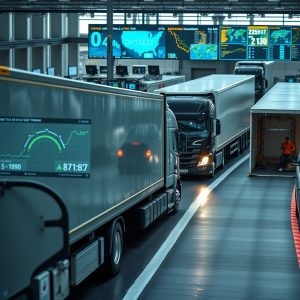
One of the most significant advancements in modern logistics is the ability to track shipments in real time. Real-time transit visibility has eliminated the guesswork that once plagued supply chains, allowing businesses to monitor their fleets with unprecedented precision. GPS tracking, IoT sensors, and cloud-based platforms provide live updates on vehicle location, speed, and even driver behavior. This level of transparency not only enhances operational efficiency but also builds trust with customers, who can now track their deliveries with the same ease as ordering them.
For logistics managers, this visibility translates into proactive problem-solving. If a delay occurs due to traffic, weather, or mechanical issues, the system can instantly reroute vehicles or adjust schedules to minimize disruptions. The result? A more responsive transport planning process that adapts to challenges in real time, rather than reacting to them after the fact.
Intelligent Route Planning: The Backbone of Efficiency
Efficiency in logistics is often measured by how quickly and cost-effectively goods can be transported. Intelligent route planning is the cornerstone of this efficiency, using algorithms and machine learning to determine the most optimal paths for delivery. These systems analyze vast amounts of data, including traffic patterns, road conditions, fuel costs, and even historical delivery times, to create routes that save time, reduce fuel consumption, and lower operational costs.
But intelligent route planning goes beyond mere optimization. It also enables scalable transport services by dynamically adjusting to fluctuations in demand. During peak seasons, for example, the system can redistribute resources to ensure that all deliveries are fulfilled without overburdening the fleet. This adaptability is crucial for businesses looking to grow without compromising on service quality.
The Role of Predictive Analytics
While real-time data is invaluable, the true power of tech-enabled fleet monitoring lies in its predictive capabilities. Predictive freight tracking uses historical data and AI-driven insights to forecast potential delays, maintenance needs, and even demand spikes. By anticipating these challenges, logistics providers can take preemptive action, such as scheduling maintenance during off-peak hours or rerouting shipments before a delay occurs.
This proactive approach extends to customer-focused distribution as well. Predictive analytics can identify patterns in customer behavior, allowing businesses to tailor their delivery schedules to match demand. For instance, if data shows that a particular region consistently orders more products on weekends, the system can automatically allocate additional resources to that area during those times. This level of personalization not only improves efficiency but also enhances the customer experience.
Sustainability: The New Frontier in Logistics
As environmental concerns take center stage, the logistics industry is under increasing pressure to adopt sustainable delivery networks. Tech-enabled fleet monitoring plays a pivotal role in this shift by enabling businesses to reduce their carbon footprint without sacrificing efficiency. Electric and hybrid vehicles, optimized routes that minimize fuel consumption, and real-time monitoring of emissions are just a few ways technology is making logistics greener.
Moreover, collaborative freight networks are emerging as a sustainable solution by maximizing the use of existing resources. By sharing fleet capacity with other businesses, companies can reduce the number of half-empty trucks on the road, cutting emissions and lowering costs. This collaborative approach not only benefits the environment but also fosters a more interconnected and efficient logistics ecosystem.
Enhancing the Last Mile
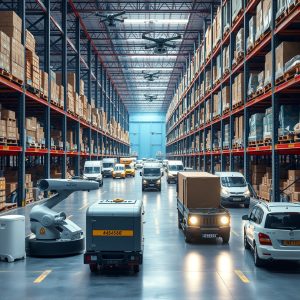
The last mile of delivery is often the most challenging and costly part of the logistics process. However, adaptive last-mile delivery solutions are changing the game by leveraging technology to overcome these hurdles. Drones, autonomous vehicles, and crowd-sourced delivery networks are just a few innovations that are making the last mile faster, cheaper, and more reliable.
For example, AI-driven systems can dynamically adjust delivery routes based on real-time traffic conditions, ensuring that packages arrive on time even in congested urban areas. Additionally, personalized delivery scheduling allows customers to choose time slots that work best for them, reducing the likelihood of missed deliveries and improving overall satisfaction. These advancements are not just about speed—they’re about creating a frictionless logistics interaction that puts the customer first.
The Human Element: Balancing Technology and Expertise
While technology is transforming logistics, the human element remains irreplaceable. Tech-enabled fleet monitoring enhances the work of logistics professionals by providing them with the tools they need to make informed decisions. For instance, drivers can receive real-time alerts about traffic conditions or route changes, while managers can monitor fleet performance and identify areas for improvement.
Furthermore, value-added logistics support ensures that technology is used to its fullest potential. Training programs, user-friendly interfaces, and dedicated support teams help businesses integrate these systems seamlessly into their operations. This human-technology partnership is what truly drives efficiency, as it combines the precision of data with the nuance of human judgment.
In an era where speed, transparency, and sustainability are non-negotiable, tech-enabled fleet monitoring is not just a tool—it’s a necessity. By harnessing the power of real-time data, predictive analytics, and intelligent automation, businesses can create a logistics ecosystem that is not only efficient but also adaptable, customer-centric, and environmentally responsible. The future of logistics is here, and it’s being shaped by those who embrace innovation at every turn, ensuring that every delivery, no matter how small, is part of a larger, seamless experience that connects the world.