The Pulse of Modern Logistics: How Predictive Freight Tracking is Revolutionizing Supply Chains

In an era where speed and reliability are the cornerstones of global commerce, logistics has evolved from a behind-the-scenes operation into a dynamic, technology-driven powerhouse. At the heart of this transformation lies predictive freight tracking, a game-changing innovation that is redefining how businesses manage their supply chains. By harnessing the power of real-time data, machine learning, and advanced analytics, predictive freight tracking is not just enhancing visibility—it’s anticipating challenges before they arise, ensuring a seamless logistics experience from start to finish.
The Power of Anticipation in Logistics
Traditional freight tracking has long relied on reactive measures—alerts triggered only after a delay or disruption occurs. While this approach provides some level of transparency, it often leaves businesses scrambling to mitigate the fallout. Predictive freight tracking flips this model on its head by leveraging historical data, weather patterns, traffic conditions, and even geopolitical events to forecast potential disruptions. This proactive approach enables logistics providers to reroute shipments, adjust delivery windows, and communicate updates to customers before issues escalate, turning potential crises into manageable scenarios.
For example, a shipment traveling through a region forecasted to experience severe weather can be automatically rerouted to avoid delays. Similarly, predictive algorithms can identify congestion hotspots in urban areas and suggest alternative paths, ensuring efficient distribution workflows that keep goods moving smoothly. This level of foresight doesn’t just save time and money—it builds trust with customers who increasingly expect transparency and reliability in their supply chain interactions.
Real-Time Visibility Meets Customer-Centric Logistics
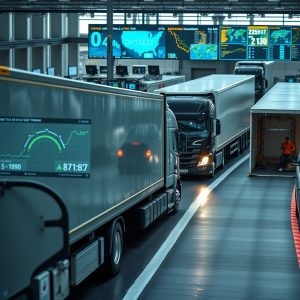
One of the most significant advantages of predictive freight tracking is its ability to provide real-time transit visibility that goes beyond mere location updates. Modern tracking systems integrate with IoT devices, GPS, and telematics to offer a holistic view of a shipment’s journey, including temperature fluctuations, humidity levels, and even the condition of packaging. This granular data is invaluable for industries like pharmaceuticals, food and beverage, and electronics, where environmental factors can directly impact product integrity.
Moreover, predictive tracking aligns perfectly with the growing demand for customer-focused distribution. Today’s consumers and businesses alike expect more than just on-time deliveries—they want personalized, flexible, and transparent logistics experiences. Predictive systems enable logistics providers to offer personalized delivery scheduling, allowing customers to choose time slots that suit their needs or even adjust delivery preferences on the fly. This level of customization not only enhances customer satisfaction but also reduces the likelihood of failed deliveries, which can be costly and frustrating for all parties involved.
Sustainability Through Smarter Routing
Beyond efficiency and customer satisfaction, predictive freight tracking is also a driving force behind sustainable delivery networks. By optimizing routes in real time, logistics providers can significantly reduce fuel consumption, lower carbon emissions, and minimize the environmental impact of their operations. For instance, predictive algorithms can identify the most fuel-efficient paths, consolidate shipments to reduce the number of trips, and even suggest the best modes of transport (e.g., rail vs. road) based on distance and urgency.
This focus on sustainability is no longer optional—it’s a business imperative. Companies that prioritize eco-friendly logistics not only comply with increasingly stringent regulations but also appeal to environmentally conscious consumers. Predictive tracking makes it possible to achieve these goals without sacrificing efficiency, proving that sustainability and profitability can go hand in hand.
The Role of AI and Machine Learning
At the core of predictive freight tracking is artificial intelligence (AI) and machine learning (ML), which continuously analyze vast amounts of data to improve accuracy and decision-making. These technologies learn from past shipments, identifying patterns and anomalies that human operators might miss. For example, an AI system might detect that shipments from a particular supplier are consistently delayed during certain months due to seasonal factors, allowing logistics teams to proactively adjust their strategies.
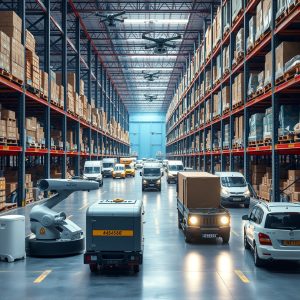
AI also enables adaptive last-mile delivery, a critical component of modern logistics. The last mile is often the most complex and costly part of the delivery process, with variables like traffic, customer availability, and urban infrastructure adding layers of unpredictability. Predictive models can dynamically adjust delivery routes and methods—such as using drones, autonomous vehicles, or local micro-fulfillment centers—to ensure timely and cost-effective deliveries, even in densely populated areas.
Building Collaborative and Scalable Networks
Predictive freight tracking doesn’t operate in isolation—it thrives in collaborative freight networks where data is shared across stakeholders, including shippers, carriers, and third-party logistics providers. By breaking down silos and fostering transparency, these networks enable a more coordinated and responsive supply chain. For example, if a carrier detects a delay in one leg of a shipment’s journey, the system can automatically notify the next carrier in the chain, allowing them to adjust their schedules accordingly.
This level of collaboration is essential for scalable transport services, particularly as businesses expand into new markets or navigate fluctuations in demand. Predictive tracking ensures that logistics operations can scale seamlessly, whether handling a sudden surge in orders during peak seasons or managing the complexities of cross-border shipments. It also provides the agility needed to adapt to unforeseen disruptions, such as natural disasters or global supply chain crises, ensuring that businesses can maintain continuity even in the face of adversity.
As logistics continues to evolve, the integration of predictive freight tracking will become a defining factor in the success of supply chains worldwide. By moving beyond reactive measures and embracing a future where data-driven insights drive every decision, businesses can achieve unprecedented levels of efficiency, sustainability, and customer satisfaction. The result is not just a more resilient supply chain but a logistics ecosystem that is smarter, faster, and more responsive to the needs of a rapidly changing world. The tools and technologies are already here—the key is to harness them in ways that transform challenges into opportunities and set new standards for what’s possible in modern logistics.