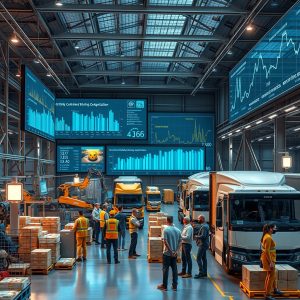
The Silent Architects of Modern Commerce: How Value-Added Logistics Support and Responsive Transport Planning Are Shaping Tomorrow’s Supply Chains
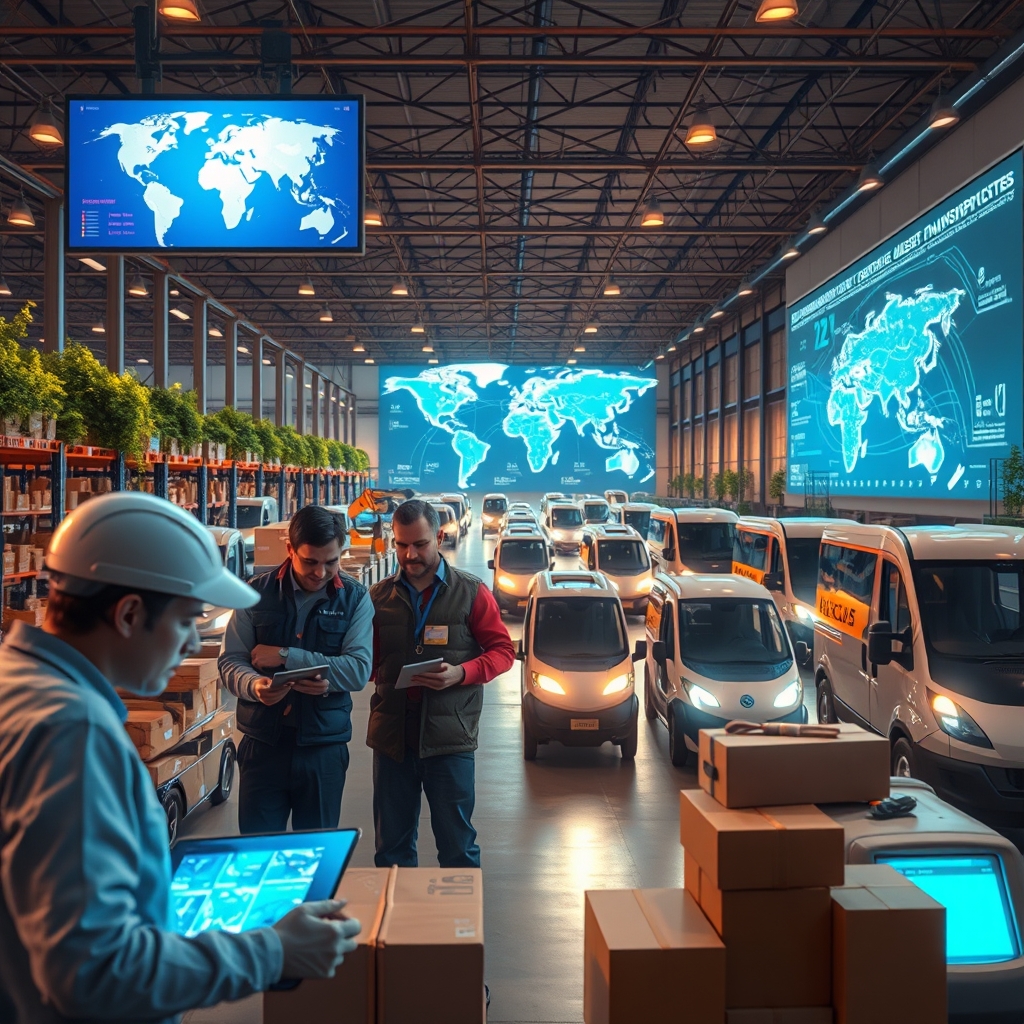
In an era where the speed of delivery can make or break a business, logistics has evolved from a behind-the-scenes operation into a strategic powerhouse. The modern supply chain is no longer just about moving goods from point A to point B—it’s about orchestrating a dynamic, responsive, and customer-centric ecosystem. At the heart of this transformation lies a combination of value-added logistics support and responsive transport planning, two pillars that are redefining how businesses meet the ever-growing demands of consumers and markets alike.
The New Standard: Beyond Basic Delivery
Gone are the days when logistics was merely a cost center. Today, it’s a competitive differentiator. Companies that once viewed shipping as a necessary expense are now leveraging value-added logistics support to turn distribution into a revenue driver. This goes beyond traditional warehousing and transportation—it encompasses services like custom packaging, kitting, reverse logistics, and even on-site assembly. For example, a retailer selling furniture no longer just delivers a box; they offer white-glove installation, old product removal, and real-time assembly updates. These enhancements don’t just improve efficiency; they elevate the entire customer experience, fostering loyalty in an age where convenience is king.
But value-added services are only as effective as the systems that support them. This is where responsive transport planning comes into play. Unlike static routing models of the past, modern transport planning adapts in real time to disruptions—whether it’s a sudden spike in demand, a traffic jam, or a weather-related delay. By integrating AI-driven analytics with live traffic feeds and predictive algorithms, logistics providers can reroute shipments on the fly, ensuring that delays are mitigated before they even occur. The result? A supply chain that doesn’t just react to change but anticipates it.
The Role of Data in Crafting Agile Networks
The backbone of responsive transport planning is data—vast, real-time streams of it. From GPS coordinates to weather patterns, from fuel consumption rates to driver behavior, every piece of information feeds into a larger ecosystem that optimizes decision-making. Data-driven cargo management allows logistics providers to balance speed, cost, and sustainability in ways that were once unimaginable. For instance, a fleet manager can now determine the most fuel-efficient route that also minimizes carbon emissions, all while ensuring on-time delivery. This level of precision wasn’t possible a decade ago, but today, it’s becoming the industry standard.
Moreover, data isn’t just about optimization—it’s about transparency. Customers and businesses alike demand visibility into their shipments, and real-time transit visibility has become a non-negotiable expectation. Whether it’s a small business tracking a critical component or a consumer awaiting a last-minute gift, the ability to monitor a shipment’s journey in real time builds trust and reduces anxiety. This transparency extends to enhanced handling transparency, where IoT-enabled sensors track everything from temperature fluctuations to shock impacts, ensuring that sensitive goods—like pharmaceuticals or perishable foods—arrive in perfect condition.
Sustainability as a Strategic Imperative
As environmental concerns take center stage, sustainable delivery networks are no longer a nice-to-have but a must-have. The logistics industry is one of the largest contributors to global carbon emissions, and businesses are under increasing pressure to reduce their environmental footprint. Responsive transport planning plays a crucial role here by optimizing routes to minimize fuel consumption and leveraging alternative fuels or electric vehicles for last-mile delivery. Some companies are even exploring hyper-local transport solutions, where goods are stored in micro-fulfillment centers closer to urban areas, reducing the need for long-haul transportation.
But sustainability isn’t just about reducing emissions—it’s also about efficiency. By consolidating shipments, optimizing load capacities, and reducing empty return trips, logistics providers can cut costs while also lowering their environmental impact. This dual benefit is driving adoption across industries, from e-commerce giants to small-scale manufacturers. The message is clear: in the logistics of tomorrow, sustainability and profitability go hand in hand.
The Human Element in a Tech-Driven World
While technology is the driving force behind modern logistics, the human element remains irreplaceable. Customer-focused distribution isn’t just about speed—it’s about empathy. Whether it’s a delivery driver who takes the time to ensure a package is placed in a secure location or a customer service representative who proactively updates a client about a delay, these small interactions build trust and loyalty. Even as automation and AI take on more tasks, the companies that succeed will be those that remember logistics is, at its core, a service industry.
This human touch extends to personalized delivery scheduling, where customers can choose delivery windows that fit their lifestyles, whether it’s a same-day drop-off or a scheduled evening delivery. It’s about giving control back to the consumer, allowing them to tailor the logistics experience to their needs. In a world where personalization is the new standard, logistics providers that fail to offer flexibility risk falling behind.
The Road Ahead: A Seamless, Adaptive Future
The logistics industry is at a crossroads, where the convergence of technology, data, and customer expectations is creating unprecedented opportunities. Value-added logistics support and responsive transport planning are no longer optional—they’re the foundation of a supply chain that is fast, flexible, and future-proof. As businesses continue to navigate an increasingly complex global market, those that embrace these innovations will not only survive but thrive. The question isn’t whether logistics will evolve—it’s how quickly companies can adapt to the new rules of the game. And in this race, the winners will be those who understand that logistics isn’t just about moving goods; it’s about moving the world forward.
The silent architects of modern commerce are no longer the faceless operators in the background. They are the strategists, the innovators, and the problem-solvers who recognize that every package delivered is a promise kept—and in today’s fast-paced world, that promise is everything.