The Future of Logistics: How Technology is Crafting a Seamless and Sustainable Delivery Ecosystem
The logistics industry is undergoing a profound transformation, driven by technological advancements that promise to redefine how goods move across the globe. From intelligent route planning to predictive freight tracking, businesses are leveraging innovation to create a more efficient, transparent, and customer-centric supply chain. This evolution is not just about speed—it’s about building a logistics ecosystem that is adaptable, sustainable, and deeply integrated with the needs of modern commerce.
The Rise of Intelligent Route Planning
Gone are the days when logistics relied solely on static maps and manual calculations. Today, intelligent route planning systems harness the power of artificial intelligence (AI) and machine learning to optimize delivery paths in real time. These systems analyze vast amounts of data, including traffic patterns, weather conditions, and historical transit times, to dynamically adjust routes. The result? Reduced fuel consumption, lower operational costs, and faster deliveries—all while minimizing the environmental impact of transportation.
For businesses, this means fewer delays and greater reliability. For customers, it translates to more accurate delivery windows and a smoother experience. The shift toward intelligent route planning is not just a trend; it’s a fundamental reimagining of how logistics networks operate, making them more responsive to the demands of a fast-paced world.
Predictive Freight Tracking: Visibility Beyond the Horizon
In an era where customers expect real-time updates, predictive freight tracking has emerged as a game-changer. Traditional tracking systems provide basic location data, but predictive tracking goes further by anticipating potential delays before they occur. Using AI-driven analytics, these systems can forecast disruptions—such as port congestion, customs hold-ups, or weather-related slowdowns—and proactively suggest alternative solutions.
This level of visibility is invaluable for businesses managing complex supply chains. It allows them to mitigate risks, optimize inventory levels, and maintain seamless communication with customers. For industries like e-commerce and perishable goods, where timing is critical, predictive freight tracking is no longer a luxury—it’s a necessity. The ability to foresee and adapt to challenges before they escalate is what sets modern logistics apart from its predecessors.
Sustainable Delivery Networks: Balancing Efficiency and Responsibility
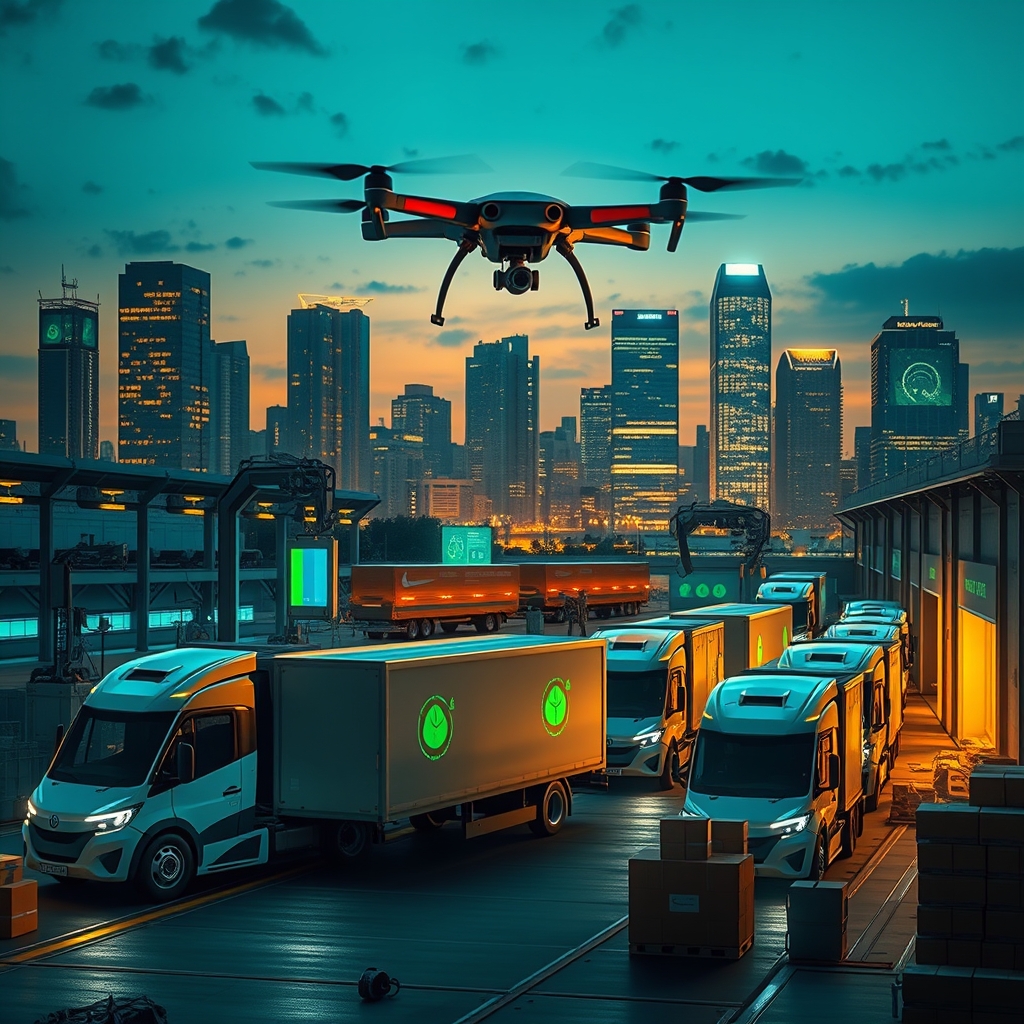
As global awareness of climate change grows, the logistics industry is under increasing pressure to adopt sustainable practices. Sustainable delivery networks are at the forefront of this shift, integrating eco-friendly technologies and strategies to reduce carbon footprints. Electric and hydrogen-powered vehicles, optimized load consolidation, and carbon-neutral shipping options are just a few examples of how logistics providers are embracing sustainability without compromising efficiency.
Beyond environmental benefits, sustainable logistics also offers economic advantages. Energy-efficient operations lower fuel costs, while government incentives for green initiatives can provide additional financial relief. Moreover, consumers are increasingly favoring brands that prioritize sustainability, making it a key differentiator in a competitive market. The future of logistics lies in finding the balance between speed, cost, and environmental responsibility—a challenge that technology is uniquely equipped to address.
Customer-Focused Distribution: Personalization at Scale
The modern consumer expects more than just timely deliveries—they demand flexibility, transparency, and personalization. Customer-focused distribution systems are designed to meet these expectations by offering tailored delivery options, such as same-day shipping, time-slot selections, and even in-home installation services. These systems leverage data analytics to understand individual preferences, ensuring that each interaction feels bespoke rather than transactional.
For businesses, this approach fosters loyalty and enhances brand reputation. By prioritizing the customer experience, logistics providers can turn a traditionally utilitarian process into a value-added service. Whether it’s through automated notifications, self-service portals, or AI-powered chatbots, the goal is to make logistics interactions as frictionless as possible. In a world where convenience is king, customer-focused distribution is the key to standing out.
Hyper-Local Transport Solutions: The Power of Proximity
The rise of hyper-local transport solutions is reshaping last-mile delivery, particularly in urban areas where congestion and accessibility pose significant challenges. By leveraging local warehouses, micro-fulfillment centers, and crowdsourced delivery networks, businesses can reduce transit times and improve efficiency. These solutions are not only cost-effective but also environmentally friendly, as they minimize the distance goods travel before reaching their final destination.
Hyper-local logistics also enables businesses to tap into the gig economy, creating flexible employment opportunities while meeting the demands of rapid urbanization. For customers, this means faster deliveries and greater convenience, especially for time-sensitive purchases. As cities continue to grow, hyper-local transport solutions will play an increasingly vital role in ensuring that logistics networks remain agile and responsive.
Automated Shipment Fulfillment: Precision in Motion
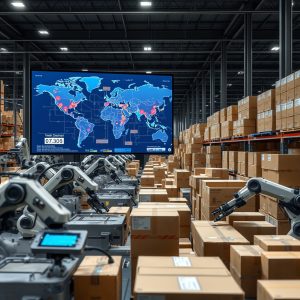
Automation is revolutionizing every stage of the logistics process, from warehousing to final delivery. Automated shipment fulfillment systems use robotics, AI, and IoT (Internet of Things) devices to streamline operations, reducing human error and increasing throughput. In warehouses, autonomous robots pick and pack orders with unmatched speed and accuracy, while drones and self-driving vehicles are beginning to take on last-mile deliveries in select markets.
The benefits of automation extend beyond efficiency. By reducing reliance on manual labor, businesses can lower operational costs and improve safety in high-risk environments. Additionally, automated systems provide real-time data insights, enabling continuous optimization of workflows. As technology advances, the integration of automation into logistics will only deepen, paving the way for a future where shipments move with unprecedented precision and reliability.
Real-Time Transit Visibility: The Pulse of Modern Logistics
In today’s interconnected world, real-time transit visibility is no longer a luxury—it’s an expectation. Customers and businesses alike demand up-to-the-minute updates on the status of their shipments, and logistics providers are responding with advanced tracking technologies. GPS, RFID (Radio-Frequency Identification), and blockchain-based systems provide end-to-end visibility, allowing stakeholders to monitor shipments at every stage of the journey.
This transparency builds trust and reduces anxiety around deliveries, particularly for high-value or time-sensitive goods. It also enables logistics providers to proactively address issues, such as rerouting shipments to avoid delays or providing customers with alternative delivery options. Real-time visibility is the backbone of a responsive logistics network, ensuring that every link in the supply chain operates with clarity and confidence.
The logistics industry is at a crossroads, where technology and innovation are reshaping the very foundations of how goods are transported and delivered. From intelligent route planning to sustainable delivery networks, the advancements we’re witnessing today are not just incremental improvements—they represent a fundamental shift toward a more connected, efficient, and customer-centric future. As businesses continue to embrace these changes, the line between logistics and seamless experience will blur, creating a world where the movement of goods is as effortless as the click of a button. The journey has only just begun, and the possibilities are as vast as the networks we’re building.