The Strategic Imperative of Trade Compliance in Modern Freight Forwarding: Navigating Regulations for Seamless Global Logistics
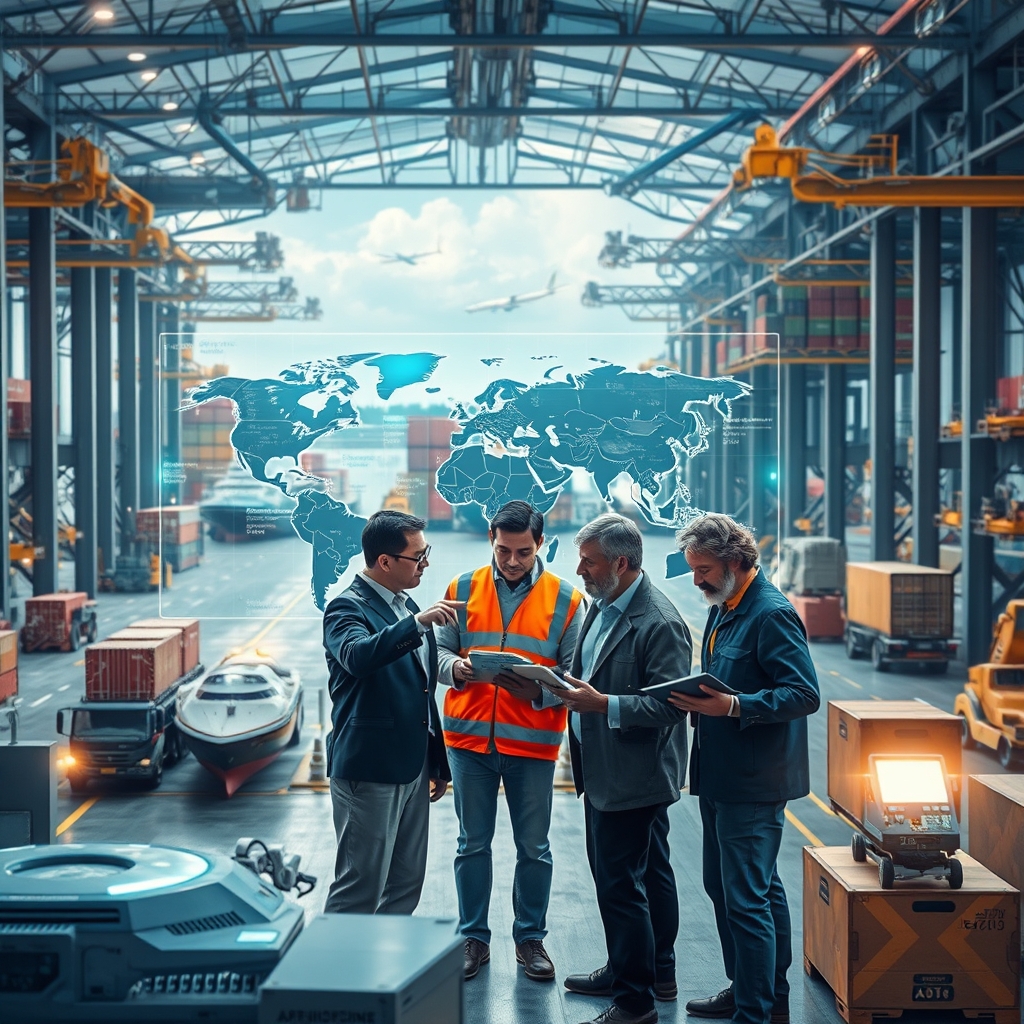
In the intricate web of global logistics, freight forwarding stands as a pivotal function, ensuring that goods traverse international borders efficiently and securely. Yet, beneath the surface of this complex operation lies an often-underestimated component: trade compliance. Far from being a mere bureaucratic hurdle, trade compliance is the linchpin that holds together the integrity, efficiency, and legality of global supply chains. Without it, even the most streamlined freight forwarding operations can unravel, leading to costly delays, legal repercussions, and reputational damage.
The Foundation of Trust in Global Trade
Trade compliance is not just about adhering to rules; it is about building trust. In an era where supply chains span continents and involve myriad stakeholders—from manufacturers and shippers to customs authorities and end consumers—trust is the currency that keeps the system running. Compliance with international trade regulations ensures that every party in the supply chain operates with transparency and accountability. This trust is particularly critical in freight forwarding, where the movement of goods across borders requires seamless coordination between multiple entities, each with its own set of regulations and expectations.
For freight forwarders, trade compliance begins with a deep understanding of the regulatory landscape. This includes familiarity with international trade agreements, such as the World Trade Organization (WTO) rules, regional pacts like the United States-Mexico-Canada Agreement (USMCA), and country-specific import/export laws. Each of these frameworks imposes unique requirements on the classification, valuation, and documentation of goods, and failure to comply can result in severe penalties, including fines, shipment seizures, or even criminal charges. For businesses, this means that trade compliance is not just a legal obligation but a strategic imperative that directly impacts operational efficiency and profitability.
The Role of Technology in Streamlining Compliance
The complexity of trade compliance has grown exponentially in recent years, driven by the increasing volume of global trade and the ever-evolving nature of regulations. To navigate this landscape, freight forwarders are turning to technology as a powerful ally. Advanced software solutions, powered by artificial intelligence (AI) and machine learning, are now capable of automating many aspects of trade compliance, from classifying goods under the Harmonized System (HS) codes to generating accurate customs documentation.
One of the most significant advancements in this space is the use of AI-driven compliance platforms. These systems can analyze vast amounts of data in real-time, identifying potential compliance risks before they escalate into costly problems. For example, AI can flag discrepancies in shipment documentation, such as mismatched product descriptions or incorrect tariff classifications, allowing freight forwarders to rectify issues before goods reach the border. Additionally, these platforms can stay updated with the latest regulatory changes, ensuring that businesses remain compliant even as laws evolve.
Beyond AI, blockchain technology is also making waves in trade compliance. By providing an immutable ledger of transactions, blockchain enhances transparency and traceability in the supply chain. This is particularly valuable in industries where provenance and authenticity are critical, such as pharmaceuticals, luxury goods, and food products. For freight forwarders, blockchain can streamline the verification process, reducing the risk of fraud and ensuring that all parties in the supply chain have access to accurate, tamper-proof data.
The Human Element: Expertise in a Digital Age
While technology plays a crucial role in modern trade compliance, the human element remains irreplaceable. Freight forwarders must possess not only technical knowledge but also the ability to interpret and apply regulations in a way that aligns with their clients’ business objectives. This requires a deep understanding of the industries they serve, as well as the ability to anticipate and mitigate risks in an ever-changing regulatory environment.
For instance, a freight forwarder specializing in the automotive industry must be well-versed in the specific compliance requirements for vehicle parts and components, which can vary significantly from one country to another. Similarly, a forwarder handling perishable goods must understand the nuances of cold chain logistics and the regulatory standards for food safety and quality. In these scenarios, the expertise of a seasoned compliance professional can mean the difference between a seamless shipment and a logistical nightmare.
The Cost of Non-Compliance: More Than Just Fines
The consequences of non-compliance in freight forwarding extend far beyond financial penalties. Delays at customs can disrupt entire supply chains, leading to stockouts, lost sales, and damaged customer relationships. In some cases, non-compliance can result in the blacklisting of a company, effectively barring it from participating in international trade. For businesses that rely on global supply chains, such outcomes can be catastrophic, underscoring the importance of prioritizing trade compliance as a core component of their logistics strategy.
Moreover, non-compliance can have broader implications for global trade. When businesses fail to adhere to regulations, it undermines the integrity of the entire supply chain, eroding trust among trading partners and regulatory authorities. This can lead to increased scrutiny and more stringent enforcement measures, creating additional burdens for compliant businesses. In this way, trade compliance is not just a matter of individual responsibility but a collective effort to maintain the efficiency and reliability of global logistics networks.
Building a Culture of Compliance
To mitigate the risks of non-compliance, businesses must foster a culture of compliance within their organizations. This begins with leadership, as executives must prioritize compliance as a strategic objective and allocate the necessary resources to support it. Training and education are also critical, as employees at all levels must understand the importance of compliance and their role in upholding it. Regular audits and assessments can help identify potential vulnerabilities, allowing businesses to address issues before they escalate into major problems.
For freight forwarders, building a culture of compliance also means partnering with clients to ensure that they understand their obligations. This can involve providing guidance on best practices, offering compliance training, and even assisting with the development of internal compliance programs. By taking a proactive approach, freight forwarders can help their clients navigate the complexities of global trade while minimizing the risk of non-compliance.
The Future of Trade Compliance in Freight Forwarding
As global trade continues to evolve, so too will the landscape of trade compliance. Emerging technologies, such as AI and blockchain, will play an increasingly important role in streamlining compliance processes, while new regulations will continue to shape the way businesses operate. For freight forwarders, staying ahead of these changes will require a commitment to continuous learning and innovation.
One of the most significant trends in trade compliance is the growing emphasis on sustainability. As governments and consumers alike demand greater environmental responsibility, businesses are under increasing pressure to ensure that their supply chains are not only compliant but also sustainable. This includes adhering to regulations on carbon emissions, waste management, and ethical sourcing. For freight forwarders, this means integrating sustainability into their compliance strategies, ensuring that their operations align with both legal requirements and broader societal expectations.
In this dynamic environment, the role of trade compliance in freight forwarding will only become more critical. By embracing technology, fostering a culture of compliance, and staying ahead of regulatory changes, businesses can navigate the complexities of global trade with confidence. In doing so, they not only protect their own interests but also contribute to the integrity and efficiency of the global logistics ecosystem, ensuring that goods continue to flow seamlessly across borders, powering economies and connecting people around the world.