The Strategic Imperative of Multimodal Logistics: Unlocking Efficiency and Resilience in Global Supply Chains
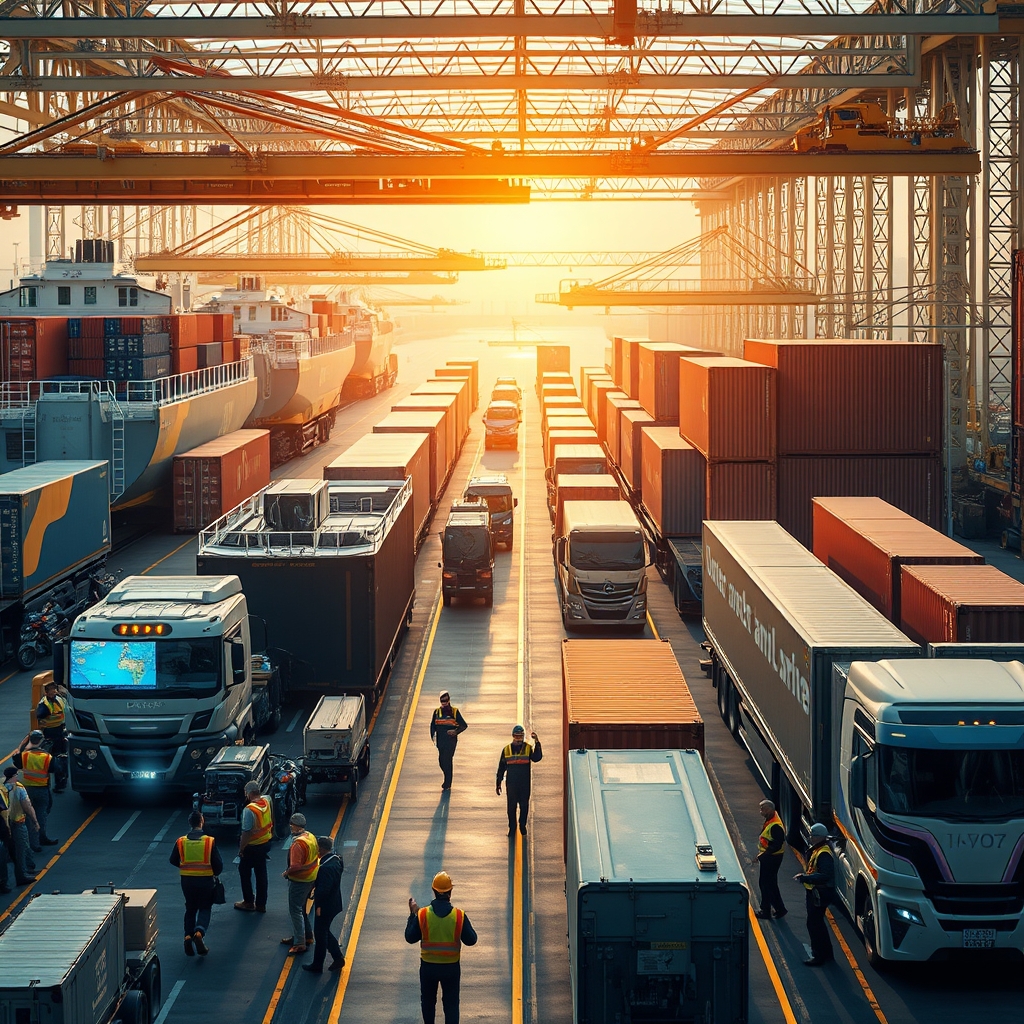
In the ever-evolving landscape of global trade, the logistics and supply chain industry is continually seeking innovative solutions to enhance efficiency, reduce costs, and improve resilience. One such solution that has gained significant traction is multimodal logistics. By integrating various modes of transportation, multimodal logistics offers a comprehensive approach to managing the complexities of global supply chains.
The Multimodal Logistics Advantage
Multimodal logistics involves the seamless integration of different transportation modes, such as maritime, air, rail, and road, to move goods from their origin to their destination. This approach leverages the strengths of each mode to create a more efficient, cost-effective, and resilient supply chain.
Enhanced Efficiency
One of the primary advantages of multimodal logistics is its ability to enhance efficiency. By combining different modes of transportation, businesses can optimize their routes and reduce transit times. For instance, a shipment might start its journey on a ship, transition to a train for the final leg, and then be delivered by truck to its destination. This integration of modes can significantly reduce the overall transit time and improve the speed of delivery.
Cost Savings
Multimodal logistics also offers significant cost savings. By leveraging the most cost-effective mode of transportation for each segment of the journey, businesses can reduce their overall transportation costs. For example, maritime transport is often the most economical for long-distance shipments, while air freight might be used for time-sensitive or high-value goods.
Improved Resilience
Another key benefit of multimodal logistics is its ability to improve the resilience of supply chains. By diversifying the modes of transportation, businesses can mitigate the risk of disruptions caused by factors such as weather, political instability, or natural disasters. If one mode of transportation is disrupted, another can be used to ensure the timely delivery of goods.
Challenges and Solutions
Despite its advantages, multimodal logistics also presents several challenges. One of the main challenges is the coordination of different modes of transportation. This requires a high level of planning and communication to ensure a smooth transition from one mode to another.
Coordination and Planning
To overcome this challenge, businesses need to invest in advanced planning and coordination tools. These tools can help to integrate the various modes of transportation and ensure a seamless transition from one mode to another. Additionally, businesses should establish clear communication channels with their transportation providers to ensure that all parties are on the same page.
Regulatory Compliance
Another challenge of multimodal logistics is regulatory compliance. Different modes of transportation have different regulations and requirements, which can complicate the process of moving goods across borders. To address this challenge, businesses should work with a freight forwarder who has a deep understanding of the regulatory landscape and can navigate the complexities of customs clearance and trade compliance.
Case Study: The Power of Multimodal Logistics
To illustrate the power of multimodal logistics, let’s consider a case study of a global retail company that needed to move a large shipment of electronics from Asia to Europe. The company decided to use a multimodal approach, combining maritime, rail, and road transportation.
Maritime Transport
The shipment started its journey on a container ship, which transported the goods from a port in China to a port in Europe. This segment of the journey was the most cost-effective, as maritime transport is the most economical for long-distance shipments.
Rail Transport
Once the shipment arrived in Europe, it was transferred to a train for the final leg of the journey. This segment of the journey was the most efficient, as rail transport is faster and more reliable than road transport for long distances.
Road Transport
Finally, the shipment was delivered to its destination by truck. This segment of the journey was the most flexible, as road transport can be used to deliver goods to specific locations, such as retail stores or warehouses.
By using a multimodal approach, the company was able to reduce its overall transportation costs, improve the speed of delivery, and enhance the resilience of its supply chain. This case study highlights the power of multimodal logistics in unlocking efficiency and resilience in global supply chains.