The Invisible Thread: How Adaptive Last Mile Delivery and Tech-Enabled Fleet Monitoring Are Redefining the Seamless Logistics Experience

In the ever-evolving landscape of logistics, the seamless logistics experience is no longer a luxury but a necessity. As businesses strive to meet the ever-increasing demands of consumers, the need for efficient, reliable, and customer-centric logistics solutions has become paramount. At the heart of this transformation lies the seamless integration of Adaptive Last Mile Delivery and Tech-Enabled Fleet Monitoring, two pivotal elements that are redefining the logistics experience.
Adaptive Last Mile Delivery: The Unsung Hero
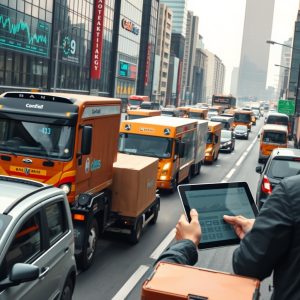
Adaptive Last Mile Delivery is a game-changer in the logistics industry. It refers to the ability to adjust delivery routes and schedules in real-time based on various factors such as traffic conditions, weather, and customer preferences. This adaptability ensures that deliveries are made efficiently and on time, ultimately enhancing the customer experience.
The Power of Adaptability
Adaptability is the key to success in the last mile of delivery. It allows logistics providers to navigate the complexities of urban environments, where traffic congestion, narrow streets, and unpredictable weather conditions are common. By leveraging real-time data and advanced algorithms, Adaptive Last Mile Delivery systems can dynamically adjust delivery routes, ensuring that packages reach their destinations as quickly and efficiently as possible.
Enhancing Customer Satisfaction
Adaptive Last Mile Delivery is not just about efficiency; it’s also about enhancing customer satisfaction. By delivering packages at the most convenient time for the customer, logistics providers can significantly improve the overall customer experience. This could mean delivering packages during the customer’s lunch break, or ensuring that time-sensitive deliveries are made on time, every time.
Tech-Enabled Fleet Monitoring: The Digital Nervous System
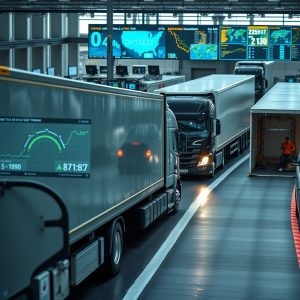
Tech-Enabled Fleet Monitoring is another critical component of the seamless logistics experience. It involves the use of advanced technologies such as GPS, IoT, and AI to monitor and manage the fleet of vehicles in real-time. This digital nervous system provides logistics providers with a comprehensive view of their fleet, enabling them to make informed decisions and optimize their operations.
The Power of Real-Time Data
Real-time data is the lifeblood of Tech-Enabled Fleet Monitoring. It allows logistics providers to track the location and status of their vehicles, as well as the packages they are carrying. This information can be used to optimize routes, predict delivery times, and ensure that vehicles are running efficiently. By leveraging real-time data, logistics providers can make informed decisions that enhance the overall logistics experience.
Enhancing Operational Efficiency
Tech-Enabled Fleet Monitoring is not just about tracking vehicles; it’s also about enhancing operational efficiency. By monitoring the performance of vehicles and drivers, logistics providers can identify areas for improvement and implement corrective measures. This could involve retraining drivers, upgrading vehicles, or optimizing routes. By continuously monitoring and improving their fleet, logistics providers can ensure that they are operating at peak efficiency.
The Synergy Between Adaptive Last Mile Delivery and Tech-Enabled Fleet Monitoring
The true power of Adaptive Last Mile Delivery and Tech-Enabled Fleet Monitoring lies in their synergy. By combining the adaptability of the former with the real-time data and advanced analytics of the latter, logistics providers can create a seamless logistics experience that is efficient, reliable, and customer-centric.
Optimizing Routes and Schedules
One of the key benefits of this synergy is the ability to optimize routes and schedules in real-time. By leveraging real-time data on traffic conditions, weather, and customer preferences, logistics providers can dynamically adjust delivery routes and schedules, ensuring that packages are delivered as quickly and efficiently as possible. This not only enhances the customer experience but also reduces the environmental impact of deliveries, as vehicles are less likely to be idling in traffic.
Enhancing Customer Communication
Another benefit of this synergy is the ability to enhance customer communication. By providing customers with real-time updates on the status and location of their packages, logistics providers can build trust and transparency. This could involve sending SMS or email notifications when a package is out for delivery, or providing customers with a link to track their package in real-time. By enhancing customer communication, logistics providers can significantly improve the overall customer experience.
In conclusion, Adaptive Last Mile Delivery and Tech-Enabled Fleet Monitoring are two pivotal elements that are redefining the seamless logistics experience. By leveraging the adaptability of the former and the real-time data and advanced analytics of the latter, logistics providers can create a logistics experience that is efficient, reliable, and customer-centric. As the logistics industry continues to evolve, the seamless integration of these two elements will be crucial in meeting the ever-increasing demands of consumers and ensuring the success of businesses.