Building the Backbone of Modern Commerce: How Intelligent Logistics Redefines Customer Expectations
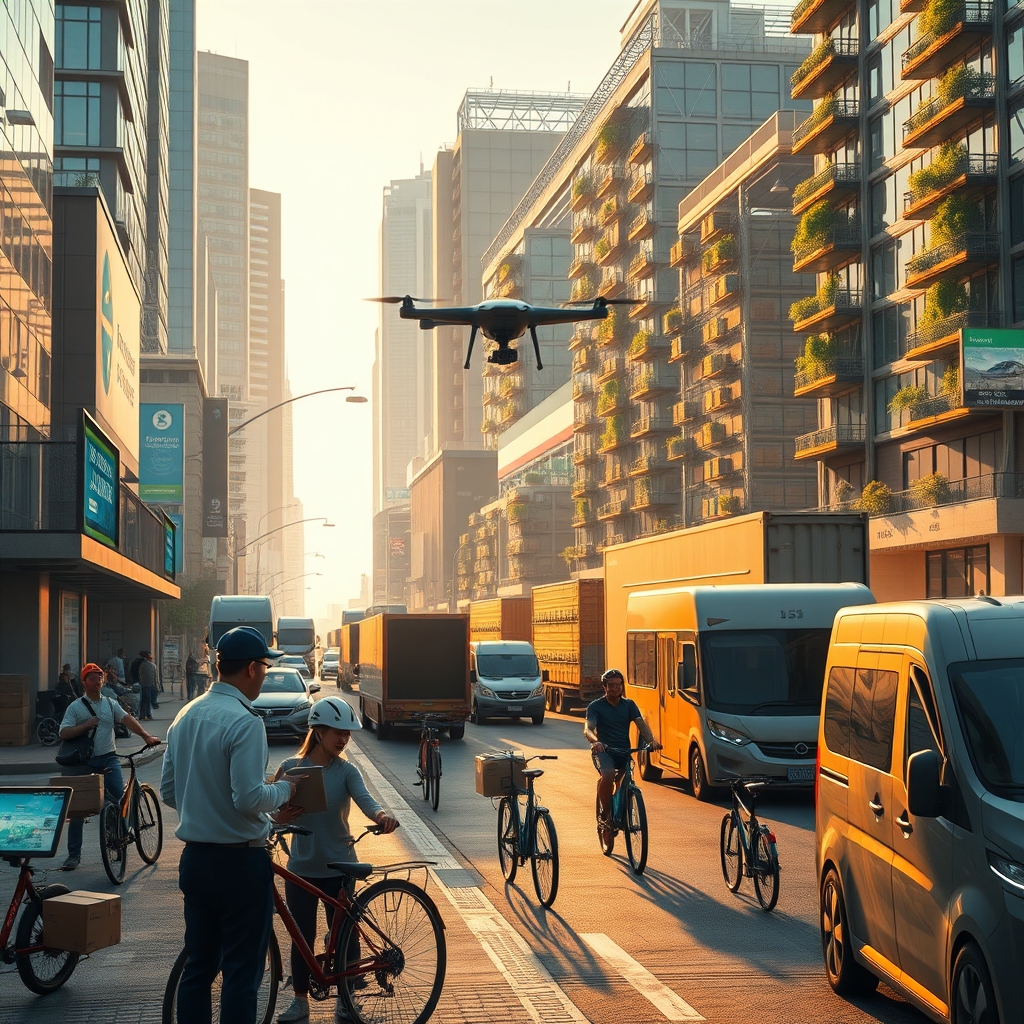
In an era where instant gratification has become the norm, the logistics industry stands at the forefront of a quiet revolution. No longer just about moving goods from point A to point B, modern logistics has evolved into a sophisticated ecosystem driven by data, technology, and a relentless focus on the end customer. The shift toward a seamless logistics experience is not merely a competitive advantage—it’s a necessity for businesses aiming to thrive in a fast-paced, digitally connected world.
The Power of Intelligent Route Planning
Gone are the days when route planning relied solely on the intuition of seasoned drivers or static maps. Today, intelligent route planning leverages real-time data, machine learning, and predictive analytics to optimize delivery paths dynamically. By factoring in variables such as traffic patterns, weather conditions, fuel efficiency, and even driver behavior, logistics providers can reduce transit times, lower operational costs, and minimize environmental impact. The result? Faster deliveries, happier customers, and a more sustainable operation.
For example, companies like Uber Freight and Convoy use AI-driven platforms to match shipments with available carriers in real time, ensuring that trucks are never empty on return trips. This not only maximizes efficiency but also contributes to sustainable delivery networks by reducing unnecessary fuel consumption and carbon emissions. The ripple effect of such innovations extends beyond logistics—it reshapes entire supply chains to be more agile and responsive.
Predictive Freight Tracking: Visibility Beyond the Horizon
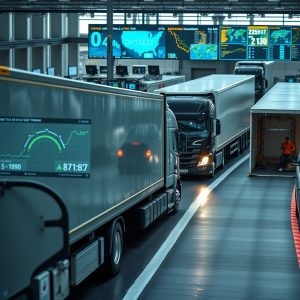
Customers today demand more than just a tracking number—they want predictive freight tracking that offers transparency and peace of mind. Advanced tracking systems now provide real-time updates, but the next frontier lies in predictive capabilities. By analyzing historical data, weather forecasts, and even geopolitical events, logistics platforms can anticipate delays before they occur and proactively communicate solutions to customers.
This level of real-time transit visibility transforms the customer experience from one of uncertainty to one of trust. Imagine receiving a notification that your shipment will be delayed due to an unexpected storm—along with a revised delivery window and an apology for the inconvenience. Such proactive communication not only mitigates frustration but also strengthens brand loyalty. Companies like Flexport and Project44 are leading the charge in this space, proving that visibility is no longer a luxury but a baseline expectation.
Hyper-Local Transport Solutions: The Last Mile Revolution
The last mile has long been the most challenging and costly segment of the delivery process. However, hyper-local transport solutions are changing the game by decentralizing distribution centers and leveraging local carriers, drones, and even crowdsourced delivery options. By bringing inventory closer to the end consumer, businesses can slash delivery times and reduce costs, all while supporting local economies.
Retail giants like Amazon and Walmart have already embraced this model, establishing micro-fulfillment centers in urban areas to enable same-day or even one-hour deliveries. Meanwhile, startups like Deliveroo and Glovo are redefining last-mile logistics by tapping into gig economy workers to fulfill orders with unprecedented speed. This shift toward adaptive last-mile delivery ensures that no customer is left waiting, regardless of their location.
Data-Driven Cargo Management: The Engine of Efficiency
At the heart of modern logistics lies data-driven cargo management, a system that harnesses the power of big data to optimize every facet of the supply chain. From demand forecasting to inventory management, data analytics enables businesses to make informed decisions that reduce waste, improve accuracy, and enhance overall efficiency. For instance, predictive analytics can identify trends in consumer behavior, allowing companies to adjust their inventory levels proactively and avoid overstocking or stockouts.
Moreover, IoT-enabled sensors and RFID tags provide real-time insights into the condition of goods in transit, ensuring that perishable items or high-value shipments are monitored for temperature, humidity, and handling conditions. This level of enhanced handling transparency not only safeguards the integrity of the cargo but also builds trust with customers who rely on the timely and safe delivery of their goods.
Collaborative Freight Networks: The Strength of Shared Resources
The logistics industry is increasingly recognizing the value of collaboration. Collaborative freight networks bring together carriers, shippers, and technology providers to share resources, reduce inefficiencies, and create a more resilient supply chain. By pooling capacity and leveraging shared infrastructure, businesses can achieve economies of scale that would be impossible to attain independently.
Platforms like Freightos and CargoWise facilitate these collaborations by connecting shippers with a global network of carriers, enabling them to compare rates, track shipments, and manage documentation in a single, integrated system. This not only streamlines operations but also fosters innovation, as companies can focus on their core competencies while relying on partners to handle the complexities of global logistics.
The Human Touch in a Tech-Enabled World
While technology is undeniably transforming logistics, the human element remains irreplaceable. Customer-focused distribution is about more than just speed and efficiency—it’s about understanding and anticipating the unique needs of each customer. Personalized delivery scheduling, for example, allows customers to choose delivery windows that fit their lifestyles, whether it’s a specific time slot or a flexible option that accommodates their busy schedules.
Similarly, value-added logistics support goes beyond basic transportation to offer services like white-glove delivery, installation, and even returns management. These extras not only differentiate a brand but also create memorable experiences that foster long-term loyalty. After all, in a world where products and prices are often similar, the quality of the delivery experience can be the deciding factor for customers.
As logistics continues to evolve, the fusion of technology and human-centric approaches will define the future of the industry. The most successful companies will be those that embrace innovation while never losing sight of the people they serve. In this dynamic landscape, the ability to adapt, anticipate, and deliver with precision will separate the leaders from the laggards, ensuring that the backbone of modern commerce remains strong, resilient, and ready for whatever comes next.