The Strategic Imperative of Efficient Freight Forwarding in Modern Logistics

In the ever-evolving landscape of global trade, the role of freight forwarding has become increasingly critical. As businesses strive to optimize their supply chains and meet the demands of international markets, efficient freight forwarding services are the backbone of seamless global logistics. This article delves into the strategic importance of freight forwarding, exploring its various aspects, challenges, and the innovative solutions that are reshaping the industry.
The Evolution of Freight Forwarding
Freight forwarding has come a long way from its traditional roots. What was once a manual process involving paperwork, phone calls, and physical cargo tracking has now been transformed into a sophisticated, technology-driven service. The advent of the internet, coupled with advancements in data analytics and artificial intelligence, has revolutionized the way freight is managed and transported.
The Role of Technology
Technology has played a pivotal role in the evolution of freight forwarding. From real-time tracking and automated customs clearance to blockchain-based supply chain transparency, technology has enabled freight forwarders to offer more efficient, reliable, and cost-effective services. The integration of IoT devices, AI-powered demand forecasting, and machine learning algorithms has further enhanced the capabilities of freight forwarders, allowing them to anticipate market trends, optimize routes, and reduce operational costs.
Challenges in Freight Forwarding
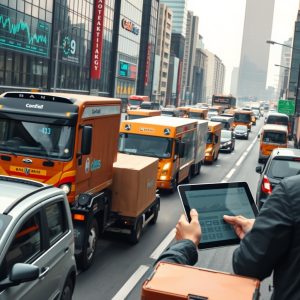
Despite the advancements, freight forwarding is not without its challenges. Regulatory complexities, geopolitical uncertainties, and the increasing demand for sustainable logistics are some of the key challenges that freight forwarders face today. Additionally, the last mile delivery, which involves the final leg of the journey from the warehouse to the end customer, remains a significant challenge due to factors such as urban congestion, limited infrastructure, and the need for real-time tracking and delivery updates.
Innovative Solutions in Freight Forwarding
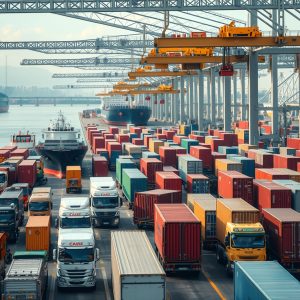
In response to these challenges, freight forwarders are continuously exploring innovative solutions to enhance their services. One such solution is the use of multimodal transportation, which involves the integration of different modes of transport such as air, sea, and land to create a seamless and efficient logistics network. This approach not only helps in reducing transit times but also in minimizing costs and environmental impact.
Sustainable Logistics
Another innovative solution is the adoption of sustainable logistics practices. Freight forwarders are increasingly focusing on reducing their carbon footprint by optimizing routes, using eco-friendly vehicles, and implementing waste management strategies. The use of alternative fuels, such as biodiesel and compressed natural gas, is also gaining traction in the industry. Moreover, freight forwarders are exploring the potential of electric vehicles and autonomous trucks to further enhance sustainability.
Trade Compliance and Customs Clearance
Trade compliance and customs clearance are other critical aspects of freight forwarding. With the increasing complexity of international trade regulations, freight forwarders need to ensure that their clients’ goods are compliant with all relevant laws and regulations. This involves a deep understanding of trade policies, customs procedures, and documentation requirements. The use of digital trade compliance solutions, such as automated customs clearance and real-time trade data analytics, is helping freight forwarders to navigate the complexities of global trade more effectively.
In conclusion, efficient freight forwarding is a strategic imperative in modern logistics. As businesses continue to expand their global footprint, the role of freight forwarders will only become more critical. By embracing technology, exploring innovative solutions, and focusing on sustainability, freight forwarders can help businesses to optimize their supply chains, reduce costs, and enhance their competitive edge in the global marketplace.