The Strategic Imperative of Trade Compliance in Modern Freight Forwarding: Navigating Regulations for Seamless Global Logistics

In the intricate dance of global logistics, trade compliance stands as a critical partner, ensuring that the rhythm of international trade flows seamlessly. The landscape of modern freight forwarding is increasingly complex, with a labyrinth of regulations, customs procedures, and trade agreements that can either facilitate or hinder the smooth movement of goods across borders.
The Complexity of Global Trade Regulations
Global trade regulations are a multifaceted puzzle, with each country and region having its own set of rules and requirements. From import and export restrictions to customs duties and tariffs, the regulatory framework can vary significantly, making it a daunting task for businesses to navigate. Add to this the complexities of international trade agreements, such as the World Trade Organization (WTO) rules and the General Agreement on Tariffs and Trade (GATT), and the picture becomes even more intricate.
The Role of Trade Compliance in Freight Forwarding
Trade compliance is the backbone of successful freight forwarding. It involves ensuring that all the necessary paperwork is in order, that the goods meet the required standards, and that all regulations are adhered to. This includes customs clearance, documentation, and compliance with international trade laws. A robust trade compliance strategy can help businesses avoid costly delays, fines, and even the confiscation of goods.
Leveraging Technology for Trade Compliance
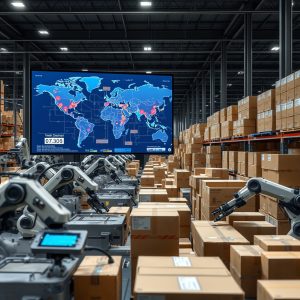
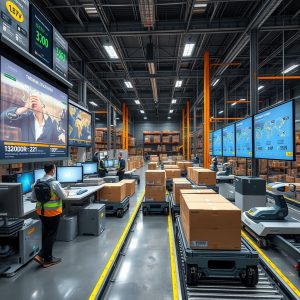
In the digital age, technology is playing an increasingly crucial role in trade compliance. Advanced software solutions can help businesses manage and track their shipments, ensuring that all regulatory requirements are met. These solutions can provide real-time updates on customs procedures, track the status of shipments, and even automate the submission of customs declarations. This not only saves time and resources but also reduces the risk of human error.
The Future of Trade Compliance in Freight Forwarding
As the global logistics landscape continues to evolve, so too will the role of trade compliance. With the increasing complexity of regulations and the rise of e-commerce, businesses will need to adapt their strategies to stay ahead. This may involve investing in advanced technology, building strong partnerships with compliance experts, and staying abreast of the latest developments in international trade laws.
In the end, trade compliance is not just about adhering to regulations; it’s about ensuring the smooth flow of goods, the protection of businesses, and the facilitation of international trade. It’s a critical component of modern freight forwarding, and one that cannot be overlooked. As we navigate the complexities of global logistics, let us remember the vital role that trade compliance plays in our journey.