The Invisible Flow: How Hyper-Local Transport Solutions and Data-Driven Cargo Management Are Redefining Urban Logistics
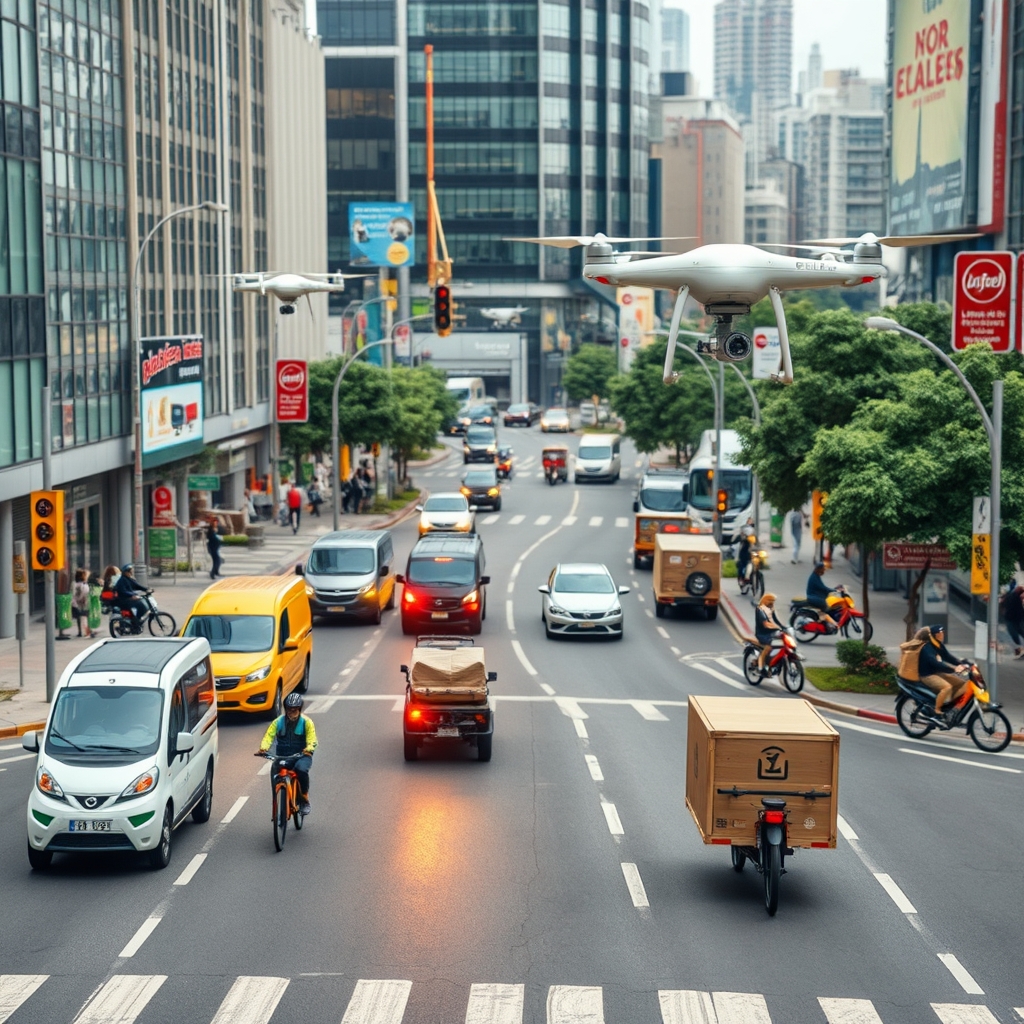
In the bustling heart of modern cities, where every minute counts and every mile matters, the logistics landscape is undergoing a silent revolution. This transformation is not just about the vehicles on the road or the warehouses in the background; it’s about the invisible threads that weave through the entire logistics ecosystem, making it more efficient, responsive, and customer-centric. At the forefront of this revolution are hyper-local transport solutions and data-driven cargo management.
The Rise of Hyper-Local Transport Solutions
Hyper-local transport solutions are a game-changer in urban logistics. These are specialized, short-distance transport services designed to cater to the unique needs of urban areas. They are not just about getting goods from point A to point B; they are about understanding the pulse of the city, the rhythm of its daily life, and the specific challenges it presents.
Understanding the Urban Pulse
Hyper-local transport solutions are designed to navigate the complex web of urban logistics. They take into account factors like traffic patterns, pedestrian zones, narrow streets, and one-way systems. They are not just about the distance; they are about the journey. They understand that the most efficient route might not always be the quickest, and that the best time to deliver might not be when the customer is most available.
Customized for Urban Needs
These solutions are customized to meet the specific needs of urban logistics. They can be electric vehicles for low-emission zones, pedal-assisted cycles for last-mile delivery, or even drone deliveries for urgent, high-value items. They can operate in designated hours, avoid certain areas, or prioritize certain routes based on real-time data.
The Power of Data-Driven Cargo Management
Data-driven cargo management is the backbone of this silent revolution. It’s about using data to make informed decisions, optimize processes, and improve outcomes. It’s about turning raw data into actionable insights, and using these insights to drive efficiency, reduce costs, and enhance customer satisfaction.
Real-Time Data and Predictive Analytics
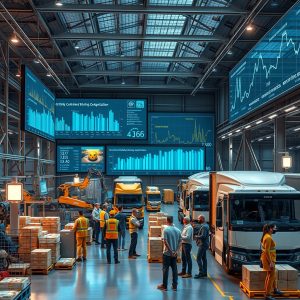
Real-time data is the lifeblood of data-driven cargo management. It provides a live feed of the status of shipments, the location of vehicles, the traffic conditions, and the weather. Predictive analytics, on the other hand, uses historical data and machine learning algorithms to predict future trends, identify potential issues, and suggest optimal solutions.
Optimizing the Logistics Ecosystem
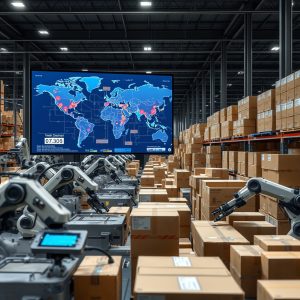
Data-driven cargo management is not just about individual shipments; it’s about the entire logistics ecosystem. It can optimize the routing of multiple vehicles, balance the load across different routes, and even predict demand spikes. It can help in proactive decision-making, reducing the risk of delays and improving the overall efficiency of the logistics network.
The Synergy of Hyper-Local Transport and Data-Driven Cargo Management
The true power of the silent revolution lies in the synergy between hyper-local transport solutions and data-driven cargo management. Together, they create a logistics ecosystem that is not just efficient, but also responsive, adaptive, and customer-centric.
Enhanced Customer Experience
Hyper-local transport solutions, guided by data-driven cargo management, can provide a seamless and personalized customer experience. They can offer real-time tracking, personalized delivery windows, and enhanced handling transparency. They can even predict delivery times and notify customers of any potential delays.
Sustainable and Scalable
This synergy also leads to sustainable and scalable logistics. Data-driven cargo management can help in optimizing the use of resources, reducing emissions, and minimizing waste. Hyper-local transport solutions, in turn, can be designed to be more sustainable, using electric or alternative fuel vehicles, and operating in a way that minimizes their environmental impact.
In the bustling heart of modern cities, the silent revolution of hyper-local transport solutions and data-driven cargo management is redefining urban logistics. It’s not just about getting goods from point A to point B; it’s about understanding the pulse of the city, the rhythm of its daily life, and the specific challenges it presents. It’s about using data to make informed decisions, optimize processes, and improve outcomes. It’s about creating a logistics ecosystem that is not just efficient, but also responsive, adaptive, and customer-centric. It’s about the invisible flow that is silently transforming the way we move goods in our cities.