The Strategic Imperative of Last Mile Delivery in Urban Logistics: Overcoming Challenges in the Final Frontier of Supply Chains
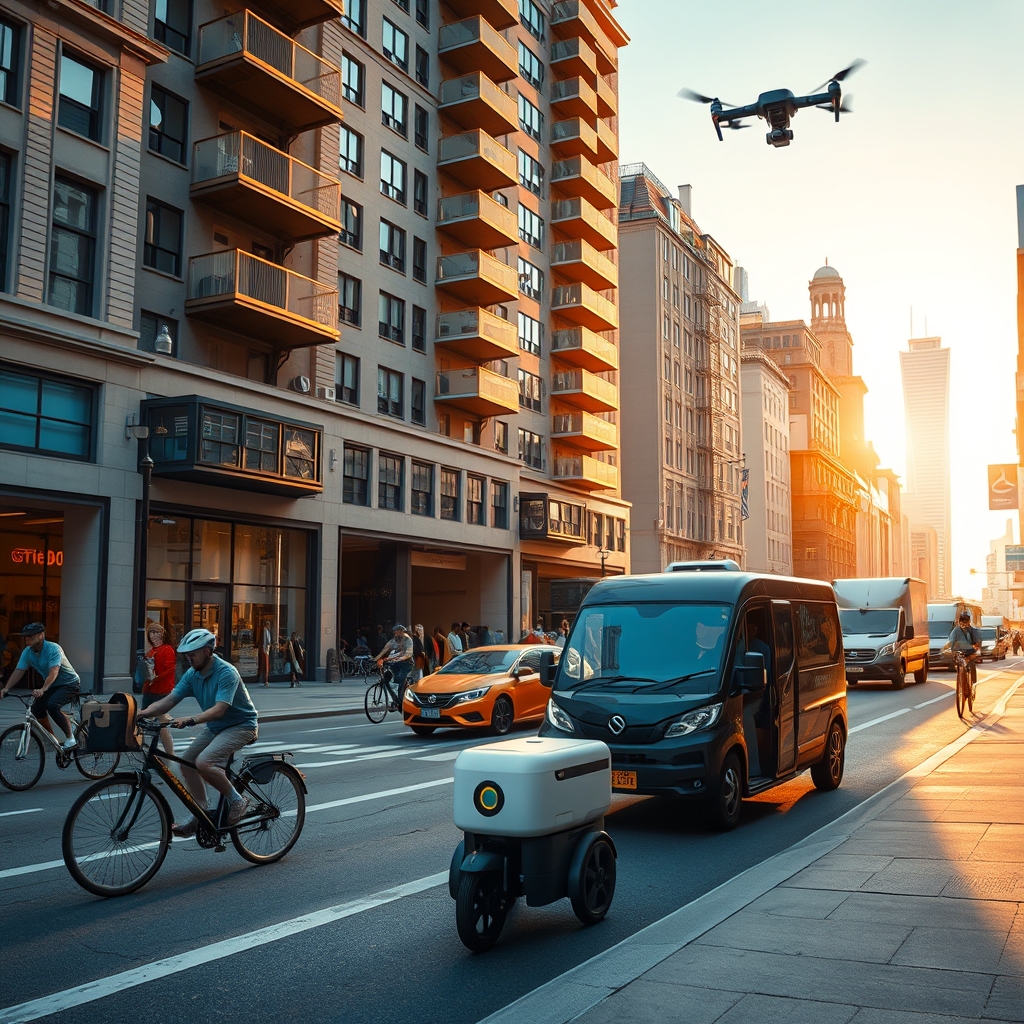
The last mile of delivery has long been recognized as the most complex and costly segment of the supply chain. In urban environments, where congestion, regulatory restrictions, and high customer expectations converge, the challenges of last mile delivery are amplified. As e-commerce continues to surge and consumer demand for faster, more flexible delivery options grows, logistics providers are under increasing pressure to innovate. The final leg of the journey—from distribution center to doorstep—is no longer just a logistical hurdle; it has become a critical differentiator in customer experience and operational efficiency.
The Urban Logistics Conundrum
Cities present a unique set of obstacles for last mile delivery. Narrow streets, limited parking, and strict traffic regulations create bottlenecks that delay shipments and inflate costs. According to a report by McKinsey, last mile delivery accounts for up to 53% of total shipping costs, a figure that rises significantly in densely populated urban areas. The rise of same-day and next-day delivery expectations has only exacerbated these challenges, forcing logistics providers to rethink traditional delivery models.
One of the most pressing issues in urban logistics is the environmental impact of last mile delivery. With delivery vehicles contributing to traffic congestion and emissions, cities are implementing stricter regulations to curb pollution. In response, logistics companies are exploring sustainable alternatives such as electric vehicles, cargo bikes, and even drone deliveries. These innovations not only reduce carbon footprints but also offer more agile solutions for navigating urban landscapes.
Technology as the Great Enabler
The integration of technology has been a game-changer in optimizing last mile delivery. Advanced route optimization software, powered by artificial intelligence and real-time data analytics, enables logistics providers to dynamically adjust delivery paths based on traffic conditions, weather, and other variables. This not only reduces delivery times but also minimizes fuel consumption and operational costs.
Another technological breakthrough is the use of autonomous delivery vehicles and drones. Companies like Amazon and UPS have already begun testing drone deliveries in select urban and suburban areas, offering a glimpse into the future of last mile logistics. While regulatory hurdles remain, the potential for drones to bypass traffic and deliver packages directly to customers is undeniable. Similarly, autonomous ground vehicles are being deployed in controlled environments, such as university campuses and business parks, to streamline small-scale deliveries.
Customer-Centric Delivery Models
The shift toward customer-centric delivery models has redefined expectations for last mile logistics. Consumers today demand flexibility, transparency, and convenience. To meet these expectations, logistics providers are offering a range of delivery options, including same-day delivery, time-slot scheduling, and even in-home installation services. The rise of parcel lockers and pickup points has also provided a convenient alternative for customers who may not be home to receive deliveries.
Moreover, the integration of real-time tracking and communication tools has enhanced the customer experience. GPS-enabled tracking allows customers to monitor their deliveries in real time, while automated notifications keep them informed about estimated arrival times and any potential delays. This level of transparency not only builds trust but also reduces the number of failed delivery attempts, which can be costly for logistics providers.
The Role of Collaboration in Last Mile Success
In the complex ecosystem of urban logistics, collaboration is key. Logistics providers are increasingly partnering with local businesses, municipalities, and technology companies to create more efficient delivery networks. For example, some cities have introduced shared urban consolidation centers, where multiple logistics providers can consolidate their deliveries before dispatching them to their final destinations. This reduces the number of vehicles on the road and lowers emissions.
Third-party logistics (3PL) providers have also emerged as critical players in last mile delivery. By leveraging their expertise and infrastructure, 3PLs can offer scalable solutions that help businesses navigate the challenges of urban logistics. From warehousing to transportation, 3PLs provide end-to-end services that enable companies to focus on their core competencies while ensuring seamless last mile delivery.
Regulatory and Infrastructure Challenges
Despite the advancements in technology and collaboration, regulatory and infrastructure challenges remain significant barriers to last mile efficiency. Many cities lack the infrastructure to support electric vehicles, such as charging stations, while others impose strict regulations on drone and autonomous vehicle operations. Additionally, the lack of standardized regulations across different regions complicates the logistics landscape, particularly for companies operating in multiple markets.
To address these challenges, logistics providers must work closely with policymakers to advocate for supportive regulations and infrastructure investments. Public-private partnerships can play a crucial role in developing the necessary infrastructure, such as dedicated delivery lanes and urban consolidation centers, to facilitate smoother last mile operations.
The future of last mile delivery in urban logistics is a dynamic interplay of innovation, collaboration, and adaptation. As technology continues to evolve and consumer expectations shift, logistics providers must remain agile and forward-thinking. The challenges of urban logistics are undeniable, but so too are the opportunities for those who can navigate this final frontier with efficiency and creativity. The last mile is no longer just a logistical hurdle—it is a strategic imperative that will define the success of modern supply chains in the years to come.