The Green Mile: How Sustainable Delivery Networks and Enhanced Handling Transparency Are Revolutionizing Logistics
Embracing Sustainability in Logistics
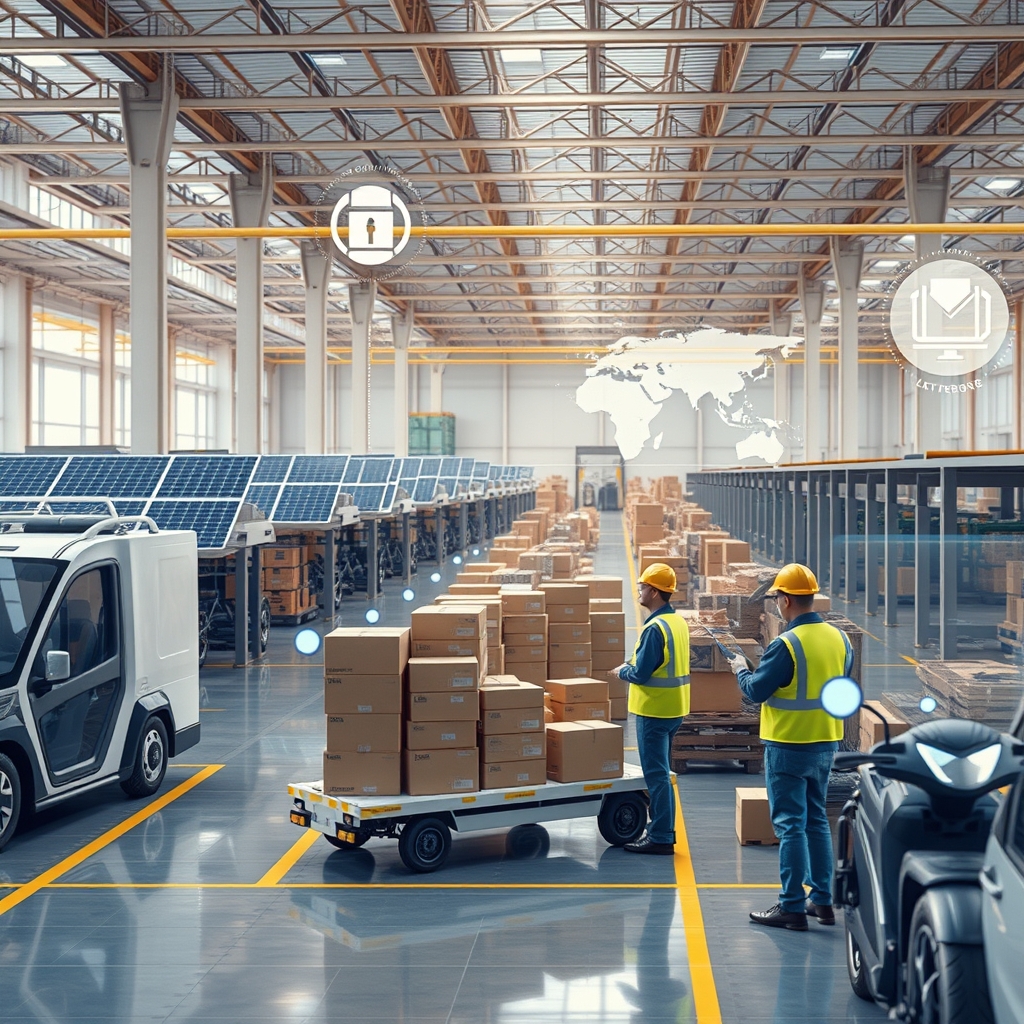
In an era where environmental consciousness is paramount, the logistics industry is undergoing a significant transformation. Sustainable delivery networks are at the forefront of this change, aiming to reduce carbon footprints and promote eco-friendly practices. Companies are increasingly adopting electric vehicles, optimizing routes to minimize fuel consumption, and utilizing renewable energy sources to power their operations.
The Role of Enhanced Handling Transparency
Enhanced handling transparency is another critical component of this revolution. By leveraging advanced technologies such as IoT sensors and blockchain, logistics providers can offer real-time visibility into the handling and transportation of goods. This transparency not only builds trust with customers but also ensures that products are handled with the utmost care, reducing the risk of damage and waste.
Benefits of Sustainable Delivery Networks
Sustainable delivery networks offer numerous benefits. They help companies meet regulatory requirements and consumer expectations for environmentally responsible practices. Additionally, they can lead to cost savings through improved efficiency and reduced fuel consumption. Moreover, by adopting sustainable practices, companies can enhance their brand reputation and attract environmentally conscious customers.
Enhanced Handling Transparency in Action
Enhanced handling transparency is not just about tracking packages; it’s about providing a comprehensive view of the entire supply chain. This includes monitoring temperature and humidity for perishable goods, ensuring secure handling for valuable items, and providing detailed reports on the condition of goods throughout their journey. This level of transparency is particularly valuable in industries such as pharmaceuticals, food and beverage, and high-value electronics.
Technological Innovations Driving Change
Technological innovations are driving the shift towards sustainable delivery networks and enhanced handling transparency. Artificial intelligence (AI) and machine learning (ML) algorithms are being used to optimize routes and predict demand, while blockchain technology ensures the integrity and security of data. These innovations are making logistics operations more efficient, transparent, and sustainable.
Collaboration and Partnerships
Achieving sustainability and transparency in logistics requires collaboration and partnerships. Companies are working together to share best practices, develop new technologies, and create industry standards. This collaborative approach is essential for driving widespread adoption of sustainable practices and enhancing transparency across the supply chain.
Challenges and Opportunities
While the benefits of sustainable delivery networks and enhanced handling transparency are clear, there are also challenges to overcome. These include the high initial costs of adopting new technologies, the need for regulatory support, and the requirement for industry-wide collaboration. However, these challenges also present opportunities for innovation and growth. Companies that invest in sustainable practices and transparency will be well-positioned to lead the industry in the future.
As the logistics industry continues to evolve, the focus on sustainability and transparency will only grow stronger. By embracing these principles, companies can not only reduce their environmental impact but also enhance their operational efficiency and customer satisfaction. The future of logistics is green, and those who adapt to this reality will thrive in the years to come.