
Sustainability in Logistics: How Green Initiatives Are Shaping the Future of Transport
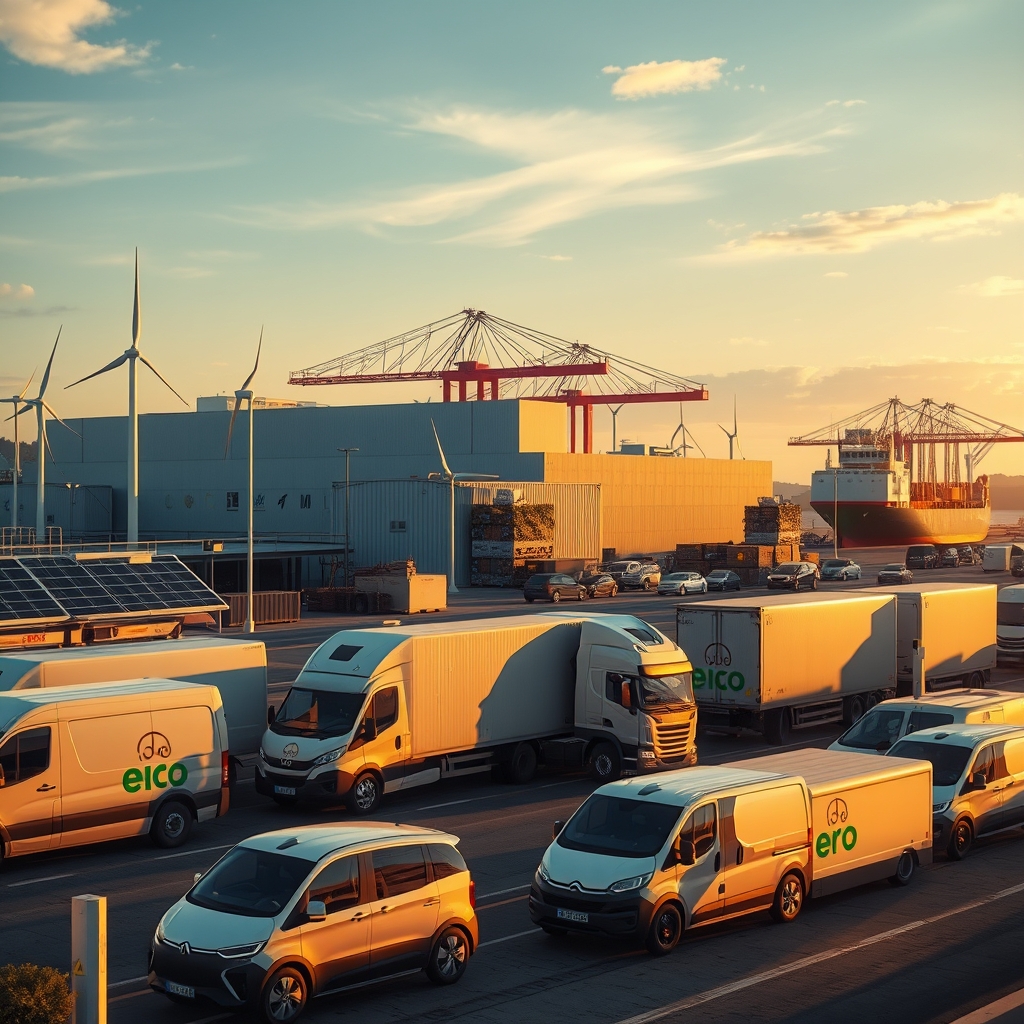
The logistics industry stands at a crossroads, where efficiency and environmental responsibility intersect more critically than ever. As global trade expands and e-commerce continues its upward trajectory, the carbon footprint of transporting goods has come under intense scrutiny. Businesses, governments, and consumers alike are demanding more sustainable practices, pushing the sector to innovate and rethink traditional models. The shift toward greener logistics is not just a trend—it’s a fundamental transformation that is redefining the future of transport.
The Rise of Carbon-Neutral Shipping
One of the most significant strides in sustainable logistics is the push toward carbon-neutral shipping. Companies are increasingly investing in carbon offset programs, where emissions generated from transport are balanced by funding environmental projects such as reforestation or renewable energy initiatives. Major players like Maersk and DHL have committed to achieving net-zero emissions by 2050, with intermediate targets set for 2030. These goals are driving the adoption of alternative fuels, such as biofuels, hydrogen, and synthetic fuels, which produce significantly fewer greenhouse gases compared to traditional diesel.
In addition to alternative fuels, the optimization of shipping routes is playing a crucial role. Advanced algorithms and AI-driven logistics platforms are enabling companies to reduce fuel consumption by identifying the most efficient paths, avoiding congestion, and minimizing idle time. For instance, ocean carriers are leveraging weather routing software to adjust courses in real-time, ensuring vessels take advantage of favorable winds and currents. These innovations not only cut emissions but also reduce operational costs, proving that sustainability and profitability can go hand in hand.
Eco-Friendly Packaging: Reducing Waste at the Source
Packaging is another area where the logistics industry is making substantial progress. Traditional packaging materials, such as single-use plastics and non-recyclable cardboard, contribute significantly to landfill waste and pollution. In response, companies are turning to eco-friendly alternatives like biodegradable plastics, mushroom-based packaging, and recycled materials. Amazon, for example, has introduced its Ship in Own Container (SIOC) program, which eliminates the need for additional packaging by shipping products in their original boxes, reducing waste and lowering shipping costs.
Beyond materials, the design of packaging is also evolving. Lightweighting—reducing the weight of packaging without compromising protection—is gaining traction. Lighter packages mean less fuel is required for transport, directly lowering emissions. Additionally, reusable packaging systems, such as returnable crates and pallets, are being adopted in closed-loop supply chains, further minimizing waste. These initiatives are not only environmentally beneficial but also resonate with consumers who are increasingly prioritizing sustainability in their purchasing decisions.
Renewable Energy in Warehouses: Powering the Future
Warehouses are the backbone of the logistics industry, and their energy consumption is a major contributor to the sector’s carbon footprint. To address this, companies are integrating renewable energy sources into their operations. Solar panels, wind turbines, and even geothermal systems are being installed to power warehouses, reducing reliance on fossil fuels. For example, IKEA has committed to becoming climate-positive by 2030, with a significant portion of its warehouses already running on 100% renewable energy.
Energy efficiency is also a key focus. Smart warehouses equipped with IoT sensors and automation technologies are optimizing energy use by adjusting lighting, heating, and cooling based on real-time occupancy and operational needs. LED lighting, high-efficiency HVAC systems, and automated storage and retrieval systems (AS/RS) are becoming standard features in modern warehouses. These technologies not only reduce energy consumption but also enhance operational efficiency, creating a win-win scenario for businesses and the environment.
Electrification of Fleets: The Road Ahead
The electrification of delivery fleets is another game-changer in sustainable logistics. Electric vehicles (EVs) are increasingly being adopted for last-mile delivery, with companies like FedEx and UPS investing heavily in electric vans and trucks. The benefits are clear: EVs produce zero tailpipe emissions, reducing urban air pollution and lowering greenhouse gas emissions. Governments are also supporting this transition through incentives, such as tax breaks and grants for businesses that adopt electric fleets.
However, challenges remain. The limited range of electric trucks and the lack of charging infrastructure in some regions pose hurdles to widespread adoption. To overcome these barriers, logistics companies are collaborating with energy providers to develop fast-charging networks and exploring battery-swapping technologies. As battery technology advances and costs continue to decline, the electrification of fleets is expected to accelerate, further driving the industry toward a greener future.
Collaboration and Policy: Driving Systemic Change
Sustainability in logistics cannot be achieved in isolation. It requires collaboration across the supply chain, from manufacturers and retailers to logistics providers and policymakers. Industry-wide initiatives, such as the Science Based Targets initiative (SBTi), are encouraging companies to set and achieve ambitious emissions reduction targets. Governments are also playing a crucial role by implementing regulations that incentivize sustainable practices, such as carbon pricing and emissions standards for vehicles.
Consumers, too, have a part to play. By choosing brands that prioritize sustainability and demanding transparency in supply chains, they are driving demand for greener logistics solutions. This collective effort is creating a ripple effect, pushing the entire industry to adopt more sustainable practices and innovate at an unprecedented pace.
The journey toward sustainable logistics is far from over, but the progress made so far is a testament to what can be achieved when innovation meets determination. As technology continues to evolve and awareness grows, the logistics industry is poised to lead the way in creating a more sustainable and resilient future. The choices made today will shape the transport systems of tomorrow, ensuring that the movement of goods not only drives economic growth but also protects the planet for generations to come.