The Strategic Imperative of Maritime Transport in Global Logistics
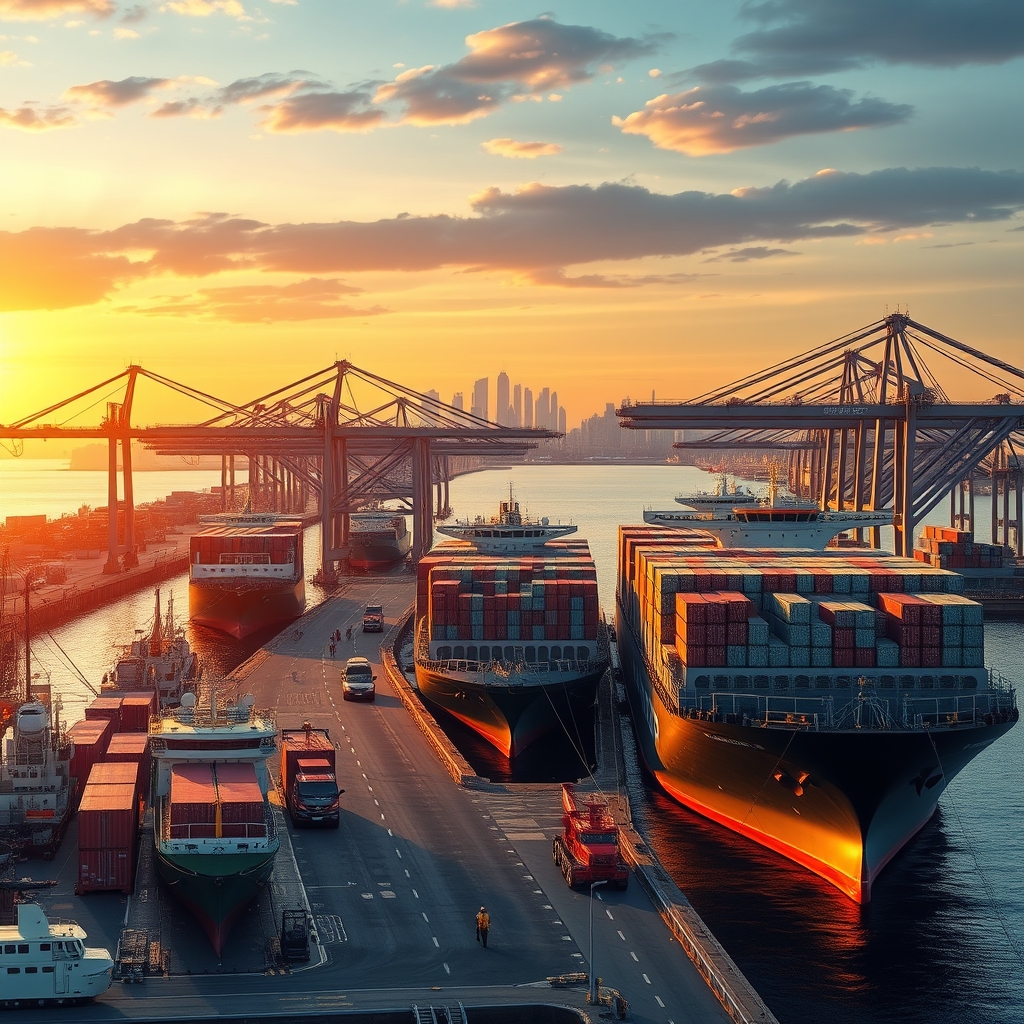
In the intricate web of global logistics, maritime transport stands as a cornerstone, facilitating the movement of goods across vast oceans and continents. This mode of transportation is not just about moving cargo from point A to point B; it’s about optimizing routes, ensuring timely delivery, and navigating the complexities of international trade.
Understanding Maritime Transport
Maritime transport involves the shipment of goods via sea routes using vessels such as cargo ships, tankers, and container ships. It is the backbone of international trade, handling approximately 90% of the world’s trade by volume. The efficiency and cost-effectiveness of maritime transport make it an indispensable part of the global supply chain.
The Role of Freight Forwarding in Maritime Transport
Freight forwarding plays a crucial role in maritime transport. Freight forwarders act as intermediaries between shippers and carriers, managing the logistics of transporting goods by sea. They handle documentation, customs clearance, and coordination with various stakeholders to ensure smooth and efficient cargo shipping.
Challenges in Maritime Transport
Despite its advantages, maritime transport faces several challenges. These include piracy, adverse weather conditions, and regulatory hurdles. Additionally, the increasing demand for faster delivery times and the need for sustainable practices add to the complexity of maritime operations.
Innovations in Maritime Transport
To address these challenges, the maritime industry is embracing innovations such as automation, digitalization, and the use of advanced technologies. For instance, the adoption of smart containers equipped with IoT sensors allows for real-time tracking and monitoring of cargo, enhancing transparency and efficiency.
The Importance of Trade Compliance
Trade compliance is another critical aspect of maritime transport. Ensuring that goods comply with international regulations and standards is essential for seamless customs clearance and avoiding delays. Third-party logistics (3PL) providers often play a key role in managing trade compliance, offering expertise in navigating complex regulatory landscapes.
Sustainable Maritime Transport
Sustainability is becoming increasingly important in maritime transport. The industry is exploring ways to reduce its carbon footprint, such as using cleaner fuels, improving vessel design, and optimizing routes to minimize emissions. These efforts are not only environmentally responsible but also economically beneficial, as they can lead to cost savings and improved operational efficiency.
As the global economy continues to grow, the demand for efficient and reliable maritime transport will only increase. By embracing innovation, ensuring trade compliance, and prioritizing sustainability, the maritime industry can meet these demands and continue to play a pivotal role in global logistics. The future of maritime transport is not just about moving goods; it’s about doing so in a way that is efficient, compliant, and environmentally responsible.