The Strategic Imperative of Multimodal Freight Forwarding: Optimizing Global Logistics Networks
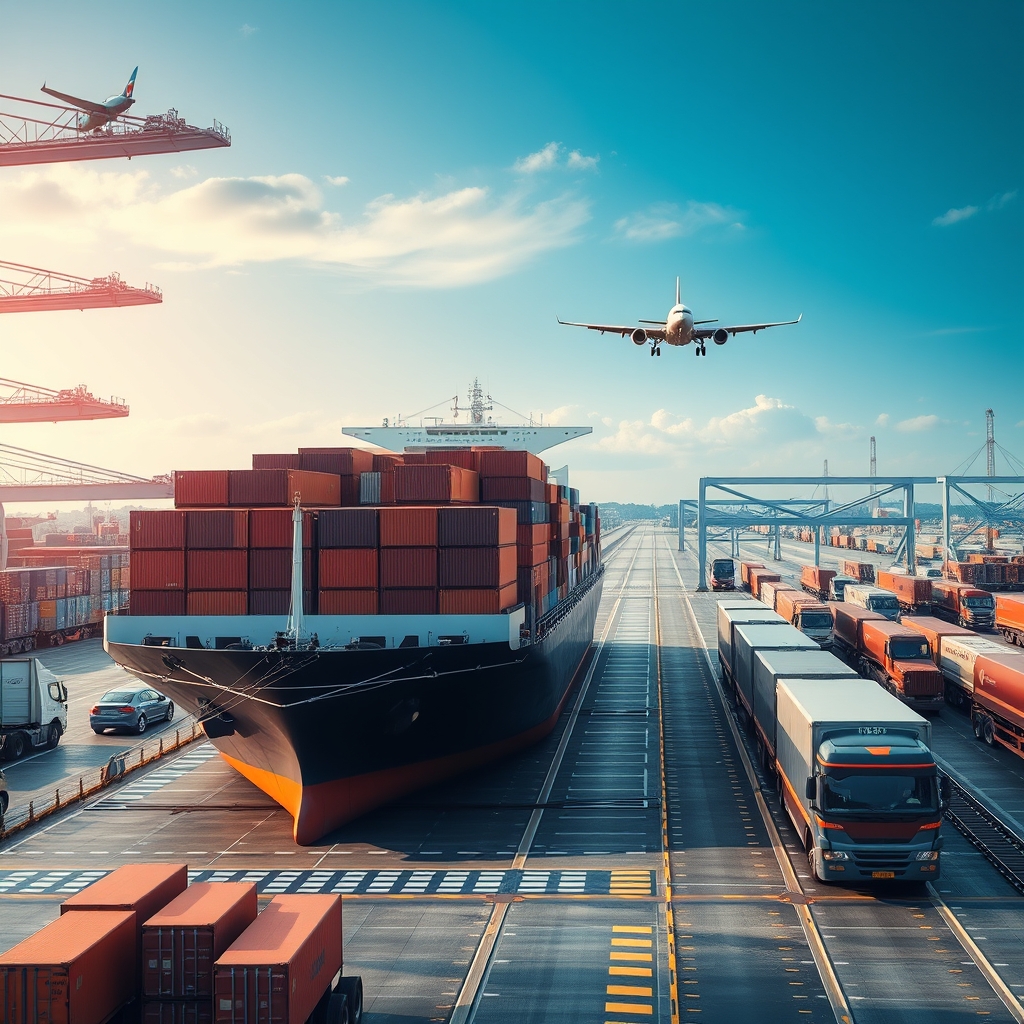
In the vast and complex landscape of global logistics, the strategic imperative of multimodal freight forwarding has emerged as a cornerstone for optimizing logistics networks. This approach, which involves the seamless integration of various transportation modes, has become increasingly vital in the modern era of international trade. By leveraging the strengths of each mode—such as maritime transport for large volumes, air cargo services for speed, and land transportation for last-mile delivery—companies can achieve unparalleled efficiency and resilience in their supply chains.
The Importance of Multimodal Freight Forwarding
Multimodal freight forwarding is not merely about combining different modes of transport; it’s about creating a cohesive and efficient logistics network. This strategy allows businesses to tailor their transportation solutions to the specific needs of each shipment, ensuring that goods are delivered on time, in the right condition, and at the most cost-effective price. For instance, a company might use maritime transport to move large quantities of goods from Asia to Europe, then switch to air cargo for a time-sensitive shipment, and finally use land transportation for the last-mile delivery to the end customer.
Benefits of Multimodal Freight Forwarding
There are numerous benefits to adopting a multimodal approach to freight forwarding. Firstly, it offers enhanced flexibility and scalability. By leveraging multiple transportation modes, companies can quickly adapt to changes in demand, supply, or market conditions. This flexibility is particularly valuable in the face of disruptions, such as those caused by natural disasters, political instability, or pandemics.
Secondly, multimodal freight forwarding can lead to significant cost savings. By optimizing the use of each transportation mode, companies can minimize empty backhauls and reduce the overall cost of transportation. For example, a shipment might be consolidated onto a maritime vessel, reducing the cost per unit compared to shipping it via air or land transport alone.
Lastly, multimodal freight forwarding can improve the sustainability of logistics operations. By using the most fuel-efficient mode for each segment of a journey, companies can reduce their carbon footprint and contribute to environmental conservation.
Challenges and Solutions
Despite its many benefits, multimodal freight forwarding also presents several challenges. One of the primary challenges is the complexity of coordinating multiple transportation modes. This requires a high level of coordination and communication between different stakeholders, including freight forwarders, carriers, and customers.
To overcome this challenge, companies can invest in advanced technology and software solutions. For instance, real-time tracking and visibility tools can help monitor the progress of shipments across different modes of transport. Additionally, data analytics can provide valuable insights into the performance of the logistics network, enabling companies to identify areas for improvement and make data-driven decisions.
Another challenge is the need for standardized documentation and compliance with trade regulations. This is particularly important when dealing with international shipments, where different countries have varying rules and regulations for customs clearance, trade compliance, and cargo shipping.
To address this challenge, companies can partner with experienced freight forwarders who have a deep understanding of international trade regulations. These experts can help navigate the complexities of customs clearance, trade compliance, and cargo shipping, ensuring that shipments are cleared quickly and efficiently.
In conclusion, the strategic imperative of multimodal freight forwarding is clear. By leveraging the strengths of each transportation mode and overcoming the associated challenges, companies can optimize their logistics networks and achieve unparalleled efficiency and resilience in their supply chains. As the global logistics landscape continues to evolve, the adoption of multimodal freight forwarding will become increasingly vital for businesses looking to stay competitive in the international market.