The Strategic Imperative of Multimodal Freight Forwarding: Optimizing Global Logistics Networks
In the vast and complex landscape of global logistics, the need for efficient and resilient supply chains has never been more critical. Businesses are constantly seeking ways to optimize their operations, reduce costs, and ensure timely delivery of goods across borders. One of the most effective strategies in achieving these goals is through multimodal freight forwarding.
Understanding Multimodal Freight Forwarding
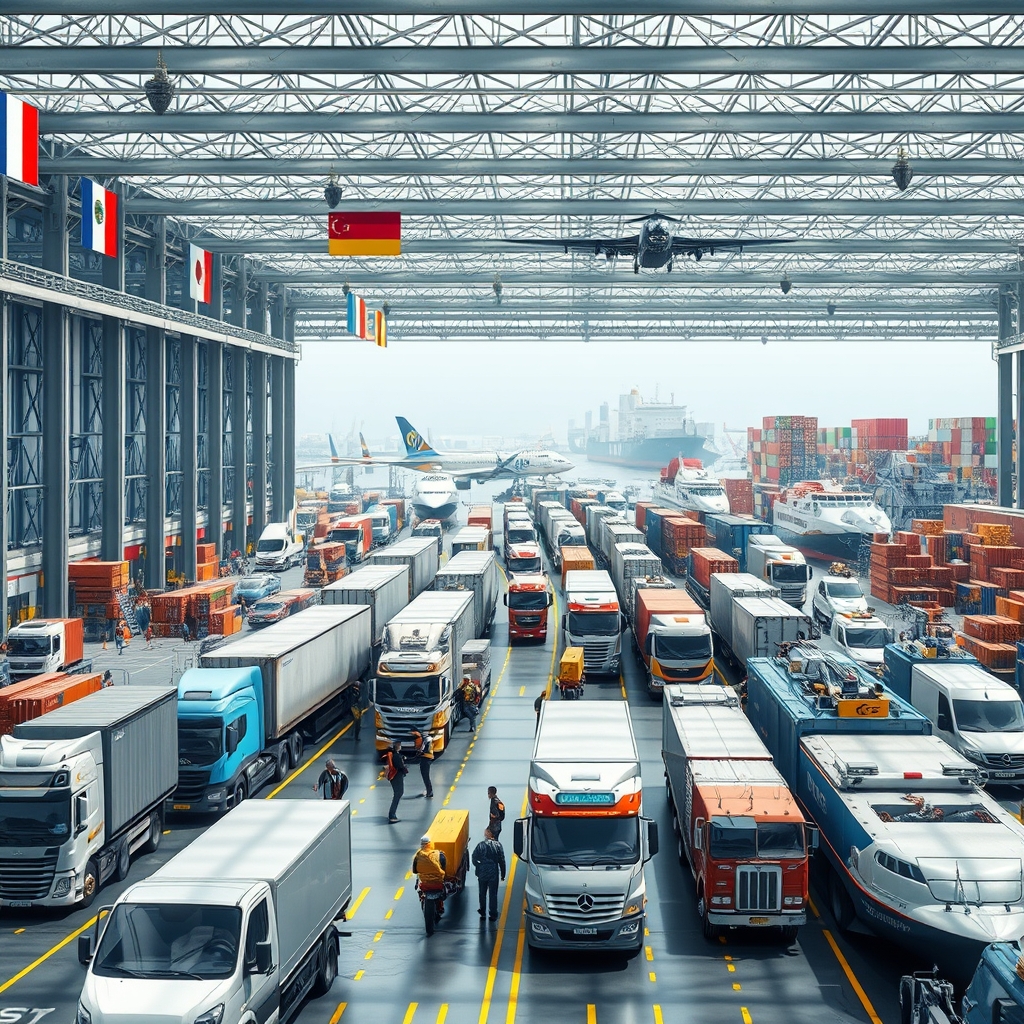
Multimodal freight forwarding involves the use of multiple transportation modes to move goods from their origin to their destination. This can include a combination of air, sea, and land transportation, as well as different types of vehicles such as trucks, trains, and ships. The key to successful multimodal freight forwarding lies in the seamless integration of these different modes of transport.
The Role of Multimodal Freight Forwarding in Global Logistics
Multimodal freight forwarding plays a crucial role in global logistics by providing businesses with a flexible and cost-effective way to transport goods. By utilizing the strengths of each transportation mode, businesses can optimize their supply chains and ensure that goods are delivered efficiently and reliably. For instance, air freight can be used for urgent or high-value goods, while sea freight is ideal for large volumes of goods. Land transportation can then be used to move goods from the port to their final destination.
Benefits of Multimodal Freight Forwarding
There are several benefits to using multimodal freight forwarding. Firstly, it allows businesses to take advantage of the most cost-effective transportation mode for each segment of their supply chain. Secondly, it provides businesses with greater flexibility in terms of routing and scheduling. Thirdly, it can help to reduce transit times and improve the overall efficiency of the supply chain.
Challenges in Multimodal Freight Forwarding
Despite the many benefits, there are also challenges associated with multimodal freight forwarding. One of the main challenges is the coordination of different transportation modes and service providers. This requires a high level of planning and communication to ensure that goods are moved smoothly from one mode of transport to another.
Overcoming Challenges
To overcome these challenges, businesses can invest in advanced technology and software solutions. These can help to streamline the coordination process, provide real-time tracking and visibility, and improve communication between different stakeholders in the supply chain. Additionally, businesses can work closely with their freight forwarders to develop customized solutions that address their specific needs and challenges.
Future Trends in Multimodal Freight Forwarding
Looking ahead, the future of multimodal freight forwarding is likely to be shaped by several key trends. Firstly, the increasing use of technology, such as the Internet of Things (IoT) and artificial intelligence (AI), will continue to revolutionize the way goods are transported and tracked. Secondly, the growing emphasis on sustainability will drive the adoption of more environmentally friendly transportation modes and practices.
The strategic imperative of multimodal freight forwarding lies in its ability to optimize global logistics networks. By leveraging the strengths of different transportation modes and investing in advanced technology, businesses can achieve greater efficiency, flexibility, and resilience in their supply chains. As the logistics landscape continues to evolve, the role of multimodal freight forwarding will only become more critical in ensuring the seamless and timely delivery of goods across borders.