
Unlocking Global Reach: The Strategic Power of Freight Forwarding
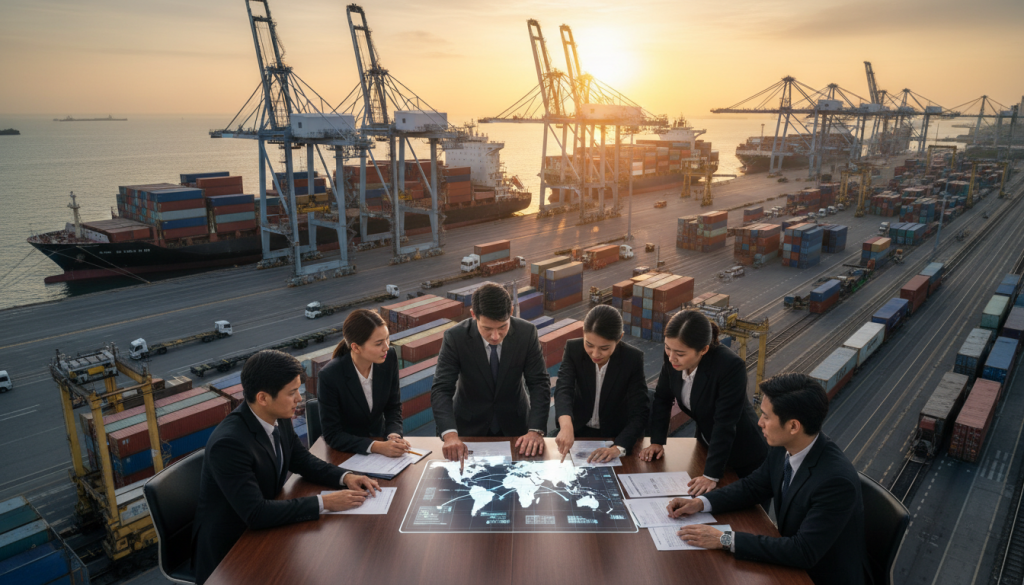
Navigating the Complexities of International Trade
In today’s interconnected world, businesses of all sizes are increasingly looking beyond their domestic borders to tap into new markets and opportunities. This global ambition, however, comes with a unique set of challenges. International trade involves intricate webs of regulations, diverse transportation modes, and the ever-present need for timely and cost-effective delivery. Successfully navigating these complexities requires a strategic partner, and this is precisely where the indispensable role of freight forwarding comes into play.
What Exactly is Freight Forwarding?
At its core, freight forwarding is a service that helps businesses manage the shipment of goods from origin to destination. While it might sound straightforward, a skilled freight forwarder acts as a crucial intermediary, coordinating and managing the entire logistics process on behalf of their clients. They don’t typically own the ships, planes, or trucks themselves; instead, they leverage their extensive network of carriers and service providers to secure the best rates, routes, and transit times. This expertise allows businesses to focus on their core competencies, leaving the intricate details of cargo shipping and transportation services to the professionals.
The Multifaceted Role of a Freight Forwarder
The responsibilities of a freight forwarder extend far beyond simply booking space on a vessel. They are adept at handling a wide array of tasks, including:
- Documentation Management: International trade is heavily reliant on paperwork. Freight forwarders manage essential documents such as bills of lading, customs declarations, commercial invoices, and certificates of origin, ensuring compliance and preventing costly delays.
- Carrier Negotiation: With their deep industry knowledge and established relationships, forwarders negotiate competitive rates with airlines, shipping lines, and trucking companies, often securing better terms than individual businesses could achieve.
- Route Optimization: They meticulously plan the most efficient and cost-effective routes, considering factors like transit time, cost, and the nature of the goods being shipped. This can involve multimodal transportation, seamlessly integrating air, sea, and land transportation services.
- Customs Clearance: Navigating customs procedures in different countries can be a daunting task. Freight forwarders possess the expertise to manage customs clearance, ensuring that all import and export regulations are met, thereby avoiding penalties and seizures.
- Cargo Insurance: Protecting goods in transit is paramount. Forwarders can arrange for cargo insurance to mitigate financial risks associated with loss or damage during shipment.
- Warehousing and Distribution: For businesses requiring storage or distribution services, many freight forwarders offer integrated warehouse management solutions, acting as a vital link in the distribution network.
Benefits of Partnering with a Freight Forwarder
Engaging a freight forwarder offers significant advantages for businesses involved in export import business and global logistics:
- Cost Savings: Through bulk purchasing power and optimized routing, forwarders can significantly reduce shipping costs.
- Time Efficiency: Their expertise streamlines the entire process, minimizing transit times and avoiding potential delays caused by regulatory hurdles or logistical hiccups.
- Reduced Risk: By managing documentation, compliance, and insurance, forwarders help mitigate the risks associated with international shipping.
- Global Reach: They provide access to global markets, enabling businesses to expand their reach and customer base without the burden of managing complex international logistics themselves.
- Focus on Core Business: Outsourcing logistics allows companies to concentrate their resources and efforts on product development, sales, and marketing.
Choosing the Right Freight Forwarder
Selecting the right freight forwarder is a critical decision. Consider their experience in your specific industry, their global network, their technological capabilities (e.g., tracking systems), and their reputation for reliability and customer service. A strong partnership with a capable freight forwarder can be a significant competitive advantage, transforming the daunting prospect of international trade into a smooth and profitable venture. They are the architects behind the seamless flow of goods across borders, ensuring that products reach their intended destinations efficiently and effectively, thereby facilitating the growth and success of businesses on a global scale.