
Navigating the Global Maze: Mastering Logistics Management for Export-Import Success
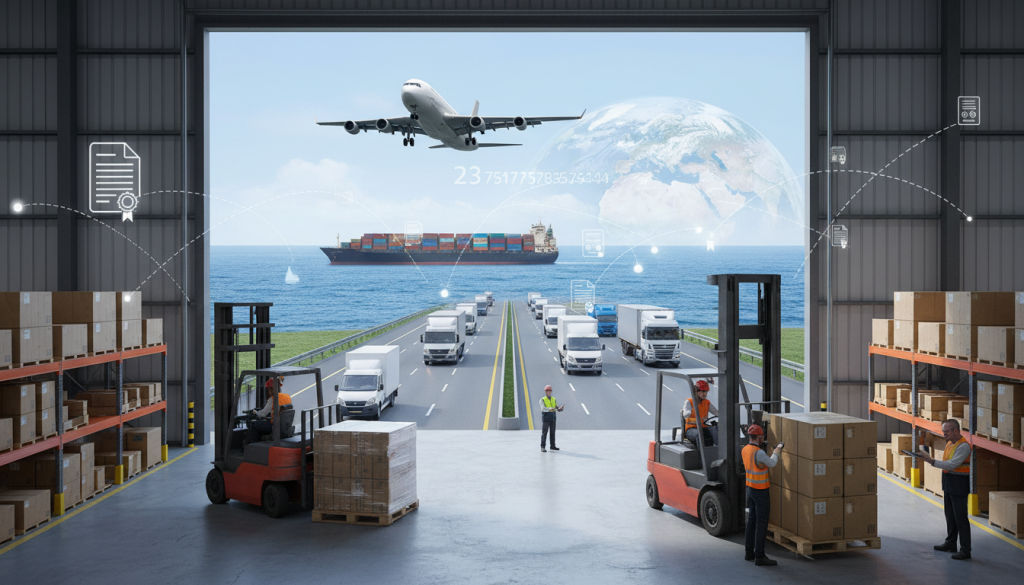
In today’s interconnected world, the ability to move goods efficiently across borders is not just an advantage; it’s a fundamental requirement for any business aspiring to thrive in the export-import arena. Logistics management, often perceived as the intricate dance of transportation and warehousing, is in reality the lifeblood of international trade. It encompasses a vast array of activities, from the initial planning and sourcing of materials to the final delivery of a product to its end consumer, spanning continents and diverse regulatory landscapes. Mastering this complex ecosystem is paramount for unlocking global market potential and achieving sustainable growth.
The Pillars of Effective Logistics Management
At its core, logistics management is about orchestrating the flow of goods, information, and finances to meet customer demands. This involves several key pillars, each requiring meticulous attention and strategic planning. Supply chain solutions form the foundational framework, ensuring that all components of the supply chain – suppliers, manufacturers, distributors, retailers, and customers – are seamlessly integrated. This integration minimizes lead times, reduces costs, and enhances overall efficiency. When a business understands its entire supply chain, it can identify bottlenecks, anticipate disruptions, and implement proactive solutions.
Freight forwarding and cargo shipping are the engines that drive the physical movement of goods. Whether by sea, air, or land, choosing the right mode of transport, negotiating favorable rates, and managing documentation are critical. Maritime transport, for instance, remains the backbone of global trade due to its cost-effectiveness for large volumes, while air cargo services offer speed for time-sensitive shipments. Understanding the nuances of each, including transit times, capacity, and environmental impact, allows businesses to optimize their shipping strategies.
Streamlining Operations with Technology and Expertise
The complexity of modern logistics necessitates the adoption of advanced technologies. Warehouse management systems (WMS) are essential for optimizing inventory control, improving order accuracy, and enhancing labor productivity within distribution centers. Similarly, fleet management software helps optimize routes, monitor vehicle performance, and ensure timely deliveries for land transportation. For businesses dealing with perishable goods, cold chain logistics is non-negotiable, requiring specialized equipment and stringent temperature controls throughout the supply chain to maintain product integrity.
The rise of e-commerce has further revolutionized logistics. E-commerce logistics demands speed, flexibility, and efficient last mile delivery solutions. This final leg of the journey, often the most expensive and challenging, requires robust networks and innovative delivery methods to meet customer expectations for rapid fulfillment and convenient returns. A well-designed distribution network is crucial for supporting these demands, ensuring that products are strategically located to minimize delivery times and costs.
Navigating the Global Trade Landscape
Beyond the physical movement of goods, international trade and export import business operations are heavily influenced by regulatory frameworks. Trade compliance and customs clearance are critical aspects of logistics management that can significantly impact timelines and costs. Navigating complex customs procedures, tariffs, and international trade agreements requires specialized knowledge and often the assistance of experienced professionals or third-party logistics (3PL) providers. Failure to comply with regulations can lead to delays, fines, and damage to a company’s reputation.
Global logistics is not merely about moving items from point A to point B; it’s about creating a cohesive and responsive system that adapts to market dynamics, technological advancements, and evolving customer needs. It requires a holistic approach, integrating various transportation services, warehousing capabilities, and information systems to build a resilient and efficient supply chain. Businesses that invest in robust logistics management systems, leverage technology, and foster strong relationships with their partners are best positioned to overcome the challenges of the global marketplace.
The strategic advantage gained from a finely tuned logistics operation cannot be overstated. It directly impacts customer satisfaction through timely and accurate deliveries, influences profitability by controlling operational costs, and ultimately shapes a company’s competitive edge on the global stage. Therefore, viewing logistics not as a cost center but as a strategic enabler is essential for any enterprise looking to expand its reach and solidify its presence in the international arena.