The Invisible Architecture of Commerce: Mastering Modern Global Logistics
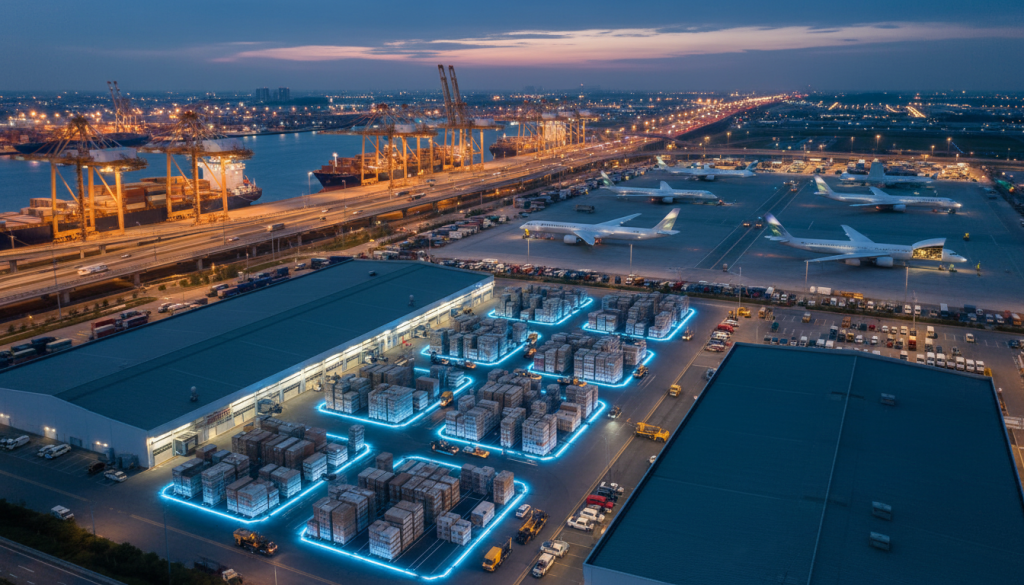
The modern world operates on a rhythm dictated by the seamless movement of goods. Behind every product on a store shelf or package dropped at a doorstep lies a labyrinthine network of processes that most consumers never see. This intricate web is the lifeblood of our interconnected global economy, where raw materials from one continent are transformed into finished goods on another, before finding their way into the hands of an end-user thousands of miles away. Mastering this flow requires a deep understanding of logistics management and a commitment to deploying innovative supply chain solutions that can withstand the unpredictable nature of global markets, geopolitical shifts, and sudden changes in consumer behavior.
Navigating the Complexities of International Borders
Engaging in the export import business is no longer as simple as loading cargo onto a vessel and waiting for it to arrive. Today, international trade is governed by a strict, ever-evolving framework of regulations. Companies must prioritize trade compliance to avoid crippling fines, seized assets, or delayed shipments. This is where the expertise of professionals handling customs clearance becomes invaluable. By ensuring that all documentation is meticulously accurate and tariffs are appropriately managed, these specialists prevent bottlenecks at border crossings and ports, keeping the global distribution network moving at an optimal pace.
Orchestrating the Symphony of Global Freight
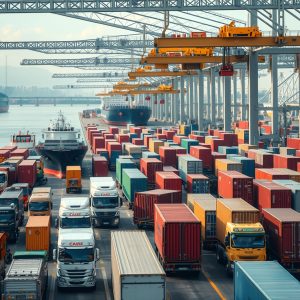
The physical movement of goods relies on a multimodal approach, integrating various transportation services to achieve the perfect balance of speed and cost-efficiency. Maritime transport remains the undisputed heavyweight of global logistics, carrying the vast majority of international cargo shipping. Giant container ships navigate the oceans, offering the most economical route for bulk commodities and manufactured goods. However, when time is of the essence, businesses turn to air cargo services. Although significantly more expensive, air freight provides unparalleled speed, making it critical for high-value electronics, fashion, or time-sensitive medical shipments.
Once goods reach a port or airport, land transportation takes over. Trains and fleets of trucks form the vital arteries that connect international gateways to domestic markets. Effective freight forwarding ensures that these transitions between sea, air, and land are executed flawlessly. Forwarders act as the architects of transport, negotiating rates, booking cargo space, and routing shipments through the most efficient channels available to avoid delays and reduce overhead costs.
The Core of Storage and Distribution
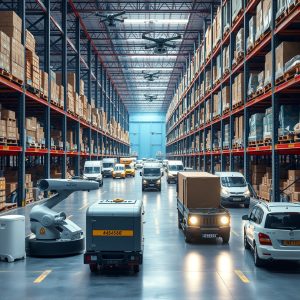
Moving goods across the globe is only half the battle; storing and routing them efficiently is equally critical. Modern warehouse management has evolved far beyond simple storage facilities with dusty shelves. Today’s warehouses are highly automated, dynamic hubs where inventory is tracked in real-time, order picking is optimized by advanced algorithms, and vertical space is utilized to its maximum potential. These facilities act as strategic nodes within a broader distribution network, ensuring that products are positioned as close to consumer demand as possible.
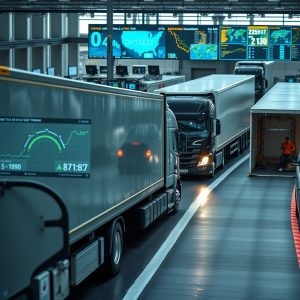
A highly specialized and increasingly vital segment of this sector is cold chain logistics. The transportation and storage of temperature-sensitive goods, such as life-saving pharmaceuticals, fresh agricultural produce, and dairy, require rigorous climate control from origin to final destination. A single failure in the cold chain can result in spoiled goods and massive financial losses, making advanced monitoring technology and specialized insulated transport indispensable components of the modern supply chain.
E-Commerce and the Final Frontier of Delivery
The exponential rise of online shopping has fundamentally reshaped e commerce logistics. Consumers now expect lightning-fast delivery times, complete transparency, and hassle-free returns. To meet these soaring expectations without inflating internal costs, many companies outsource their operations to third party logistics providers. These specialized firms offer end-to-end solutions, allowing retailers to focus on their core competencies—like product development and marketing—while the 3PL handles everything from warehousing to final delivery.
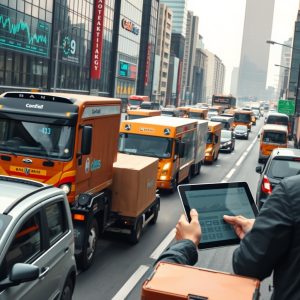
The most challenging, unpredictable, and expensive leg of this journey is undoubtedly last mile delivery. Navigating congested urban environments, dealing with unpredictable traffic patterns, and ensuring secure package drop-offs require highly sophisticated fleet management. Companies are investing heavily in route optimization software, alternative delivery vehicles, and dynamic dispatching to conquer the last mile. Efficient fleet management is also at the forefront of the industry’s push toward sustainability. Logistics providers are increasingly transitioning their fleets to electric and hybrid vehicles, which not only reduces greenhouse gas emissions but also helps companies comply with strict urban emission regulations.
As consumer demands continue to shift and new technologies emerge, the landscape of the global supply chain will undoubtedly undergo further transformations. The ability to anticipate disruptions, seamlessly integrate multimodal transport, and leverage data for smarter decision-making will separate industry leaders from those left behind. Ultimately, the true power of an optimized logistics network lies not just in moving a box from point A to point B, but in building a resilient, agile system that drives economic growth and connects humanity across borders.