From Warehouse to Doorstep: The Critical Role of Warehouse Management in Supply Chain Efficiency
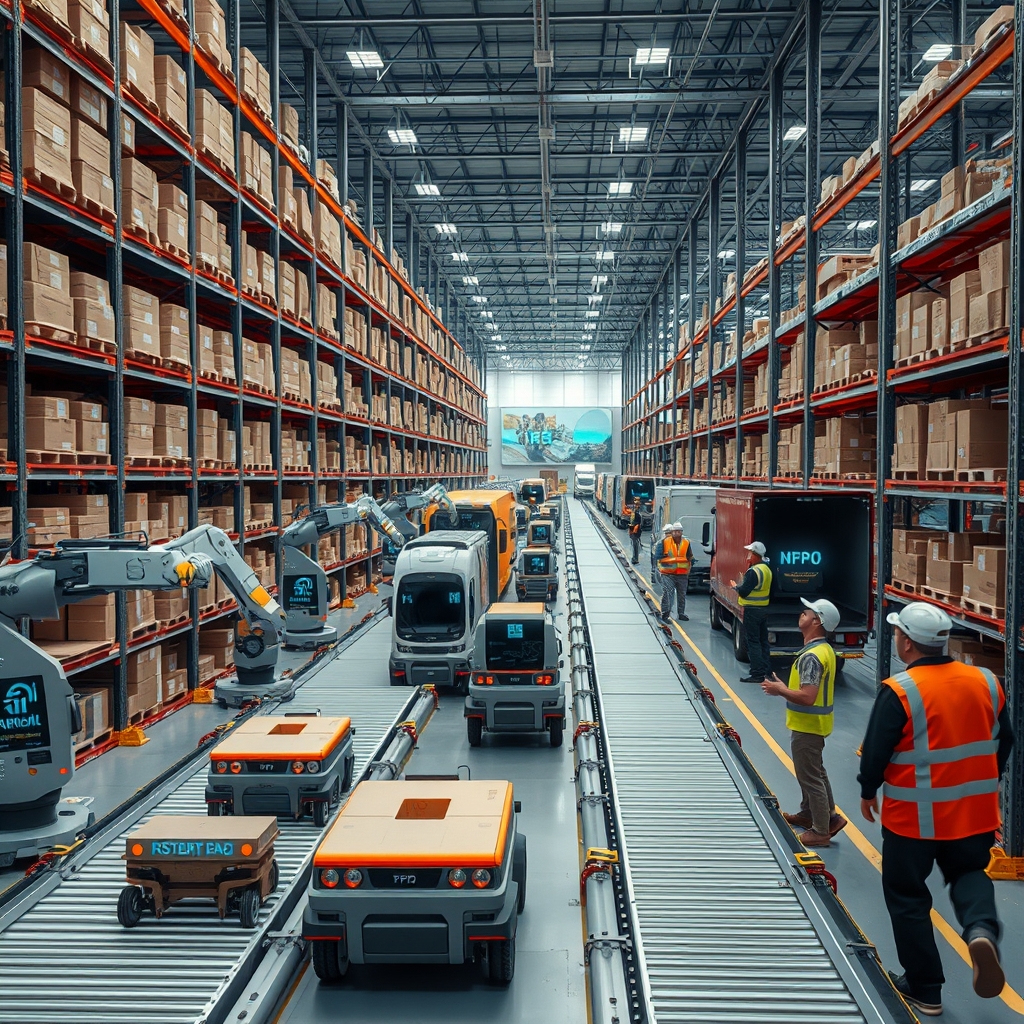
In the intricate web of global commerce, where speed, accuracy, and reliability are paramount, warehouse management stands as the unsung hero of supply chain solutions. It is the linchpin that ensures products move seamlessly from manufacturers to consumers, bridging the gap between demand and fulfillment. As businesses expand their reach across borders and e-commerce continues to reshape consumer expectations, the role of warehouse management has evolved from a mere storage function to a dynamic, technology-driven operation that can make or break a company’s competitive edge.
The Evolution of Warehouse Management
Gone are the days when warehouses were simply vast, dimly lit spaces filled with towering shelves of inventory. Today, warehouse management has transformed into a sophisticated discipline that integrates advanced technologies, data analytics, and automation to optimize every facet of the storage and distribution process. The shift from manual, paper-based systems to digital, real-time tracking has revolutionized how businesses approach logistics management, enabling them to respond swiftly to market demands and reduce operational inefficiencies.
Modern warehouses are now equipped with Warehouse Management Systems (WMS), which serve as the central nervous system of the facility. These systems provide end-to-end visibility into inventory levels, order statuses, and shipment tracking, allowing businesses to make informed decisions in real time. By leveraging technologies such as Internet of Things (IoT) sensors, RFID tags, and artificial intelligence, warehouses can now predict demand patterns, automate routine tasks, and minimize human error, thereby enhancing overall productivity.
The Impact on E-Commerce Logistics
The rise of e-commerce has placed unprecedented demands on warehouse management, as consumers now expect faster delivery times, flexible return policies, and seamless order tracking. In this high-stakes environment, warehouses must operate like well-oiled machines, capable of processing thousands of orders per day with pinpoint accuracy. The concept of “last mile delivery” has further intensified the pressure on warehouses, as they must ensure that products are not only stored efficiently but also dispatched quickly to meet tight delivery windows.
To keep pace with these demands, many businesses are adopting innovative strategies such as micro-fulfillment centers and urban warehouses. These smaller, strategically located facilities bring inventory closer to the end consumer, reducing transit times and lowering transportation costs. Additionally, automation technologies like robotic picking systems and autonomous guided vehicles (AGVs) are being deployed to accelerate order fulfillment and reduce labor costs, making warehouses more agile and responsive to market fluctuations.
Integrating Warehouse Management with Global Logistics
Warehouse management does not operate in isolation; it is a critical component of the broader global logistics ecosystem. For businesses engaged in international trade, the efficiency of warehouse operations can directly impact the success of freight forwarding, customs clearance, and cargo shipping. A well-managed warehouse ensures that goods are stored, sorted, and shipped in compliance with trade regulations, reducing the risk of delays or penalties during customs inspections.
In the context of maritime transport and air cargo services, warehouses play a pivotal role in consolidating shipments, managing cross-docking operations, and coordinating with third-party logistics (3PL) providers. For example, a warehouse near a major port can facilitate the smooth transfer of goods from ships to trucks or trains, ensuring that cargo reaches its final destination without unnecessary detours. Similarly, warehouses equipped with cold chain logistics capabilities can maintain the integrity of perishable goods during transit, which is essential for industries such as pharmaceuticals and food distribution.
Challenges and Solutions in Warehouse Management
Despite its many advantages, warehouse management is not without its challenges. One of the most pressing issues is the need to balance cost efficiency with scalability. As businesses grow, their warehouse operations must expand to accommodate increased inventory volumes, which can strain existing infrastructure and workforce capabilities. To address this, companies are increasingly turning to cloud-based WMS solutions, which offer scalability, flexibility, and cost-effective subscription models.
Another challenge is the labor shortage in the logistics industry, which has prompted businesses to explore automation and robotics as viable alternatives to manual labor. While these technologies require significant upfront investment, they offer long-term benefits such as reduced operational costs, improved accuracy, and enhanced safety. Additionally, the integration of artificial intelligence and machine learning into warehouse management systems enables predictive analytics, allowing businesses to anticipate demand spikes and adjust their inventory levels accordingly.
The Future of Warehouse Management
As technology continues to advance, the future of warehouse management looks increasingly automated and data-driven. The adoption of blockchain technology, for instance, could revolutionize how warehouses track and verify the authenticity of goods, particularly in industries prone to counterfeiting. Similarly, the rise of autonomous drones for inventory management and delivery could further streamline warehouse operations, reducing the need for human intervention in routine tasks.
Moreover, sustainability is becoming a key consideration in warehouse management, as businesses seek to minimize their environmental footprint. Green warehousing practices, such as energy-efficient lighting, solar power, and waste reduction initiatives, are gaining traction as companies strive to align their operations with global sustainability goals. By embracing these innovations, warehouses can not only improve their operational efficiency but also contribute to a more sustainable supply chain.
The seamless flow of goods from warehouse to doorstep is no longer a luxury but a necessity in today’s fast-paced global economy. As businesses navigate the complexities of international trade, e-commerce logistics, and last mile delivery, the role of warehouse management will only grow in importance. By investing in advanced technologies, optimizing processes, and fostering a culture of continuous improvement, companies can transform their warehouses from mere storage spaces into strategic assets that drive growth, enhance customer satisfaction, and secure their place in the competitive landscape of global commerce.