The Future of Fleet Management: Innovations Driving Efficiency in Transportation Services
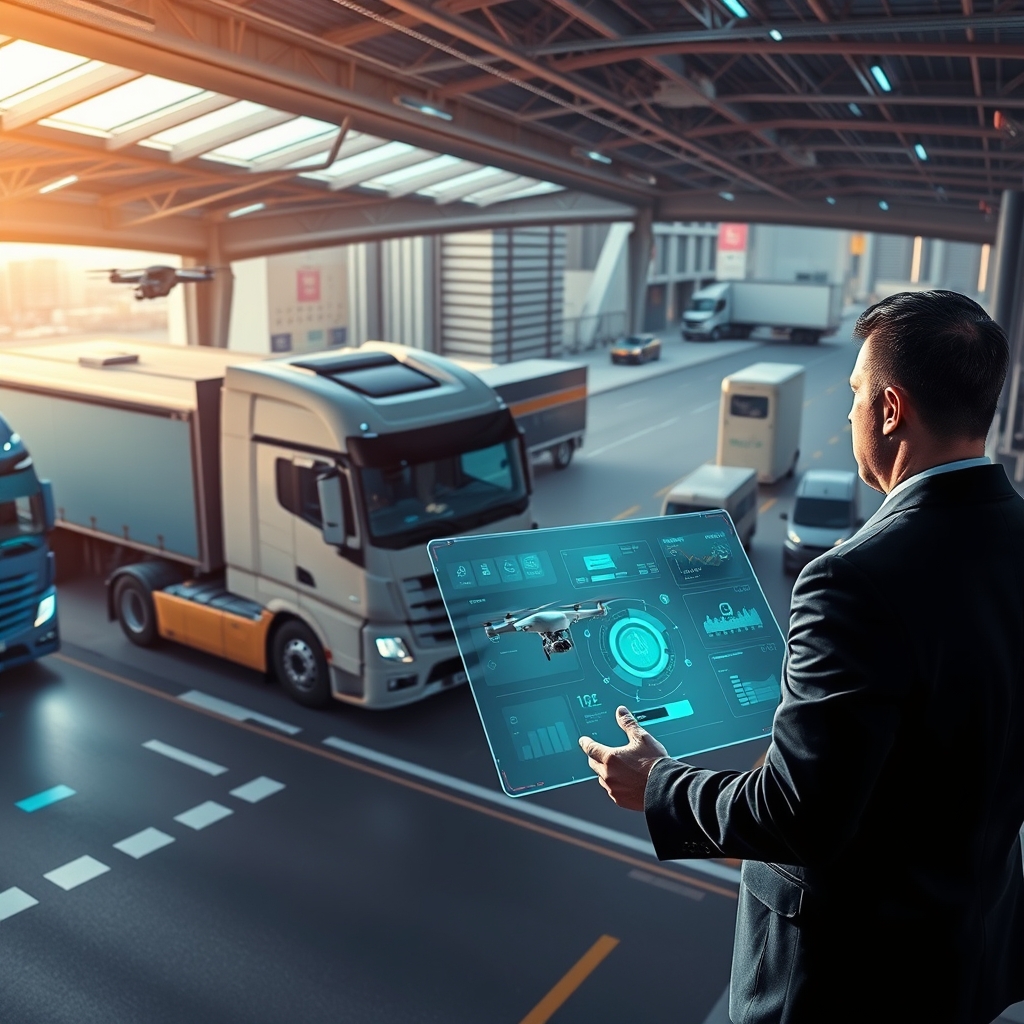
The logistics and transportation industry is undergoing a seismic shift, driven by technological advancements and the ever-growing demands of global trade. At the heart of this transformation lies fleet management, a critical component that ensures the smooth operation of land transportation, cargo shipping, and last mile delivery. As businesses strive to optimize their supply chain solutions, the role of fleet management has evolved from a mere operational function to a strategic powerhouse capable of delivering unparalleled efficiency and cost savings.
The Digital Revolution in Fleet Management
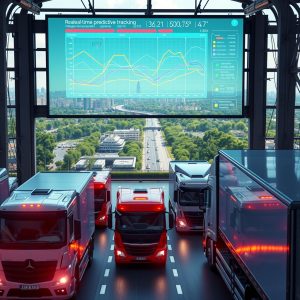
The integration of digital technologies into fleet management has revolutionized how companies approach transportation services. Telematics, for instance, has become a game-changer by providing real-time data on vehicle location, fuel consumption, driver behavior, and maintenance needs. This wealth of information enables logistics managers to make data-driven decisions, reducing downtime and improving overall fleet performance. According to a recent study by McKinsey, companies that leverage telematics can achieve fuel savings of up to 15% and reduce maintenance costs by as much as 20%.
Another groundbreaking innovation is the adoption of Internet of Things (IoT) devices. These sensors and connected devices allow for seamless monitoring of cargo conditions, particularly in cold chain logistics, where temperature-sensitive goods require constant oversight. IoT-enabled fleets can detect deviations in temperature, humidity, or even shock events, ensuring that perishable goods arrive at their destination in optimal condition. This level of precision is not just a competitive advantage but a necessity in industries like pharmaceuticals and food distribution.
The Rise of Autonomous and Electric Vehicles
The future of fleet management is also being shaped by the rise of autonomous and electric vehicles. While fully autonomous trucks are still in the testing phase, semi-autonomous features such as adaptive cruise control, lane-keeping assistance, and automated braking are already enhancing safety and efficiency on the roads. These technologies reduce human error, which is a leading cause of accidents in land transportation, and can significantly lower operational costs over time.
Electric vehicles (EVs) are another frontier in fleet innovation. With governments worldwide imposing stricter emissions regulations, companies are increasingly turning to EVs to reduce their carbon footprint. Beyond environmental benefits, electric fleets offer lower fuel and maintenance costs, making them an attractive option for businesses focused on long-term sustainability. For example, Amazon’s commitment to deploying 100,000 electric delivery vans by 2030 underscores the growing importance of EVs in last mile delivery and broader logistics operations.
Data Analytics and Predictive Maintenance
Data analytics is transforming fleet management from a reactive to a proactive discipline. By analyzing historical and real-time data, logistics managers can predict maintenance needs before they become critical issues. Predictive maintenance not only extends the lifespan of vehicles but also minimizes unexpected breakdowns, which can disrupt distribution networks and lead to costly delays. Companies like UPS have already embraced predictive analytics to optimize their fleet operations, resulting in millions of dollars in savings annually.
Moreover, machine learning algorithms can identify patterns in driver behavior, such as harsh braking or excessive idling, and provide targeted training to improve efficiency. This not only enhances safety but also reduces fuel consumption and wear-and-tear on vehicles. The ability to harness data for continuous improvement is what sets leading fleet management systems apart in today’s competitive landscape.
Sustainability and the Green Fleet Movement
Sustainability is no longer a buzzword but a business imperative, and fleet management is at the forefront of this movement. Companies are exploring alternative fuels, such as hydrogen and biofuels, to power their fleets, reducing reliance on fossil fuels. Additionally, route optimization software is being used to minimize fuel consumption by identifying the most efficient paths for deliveries. This not only lowers emissions but also improves delivery times, enhancing customer satisfaction.
The push for sustainability is also driving innovation in warehouse management. By integrating fleet operations with warehouse systems, companies can streamline loading and unloading processes, reducing idle time and further cutting emissions. For instance, Walmart’s use of blockchain technology to track shipments and optimize routes has resulted in a 15% reduction in fuel usage across its fleet.
Overcoming Challenges in Fleet Management
Despite these advancements, fleet management is not without its challenges. One of the most pressing issues is the shortage of skilled drivers, which has been exacerbated by the rapid growth of e-commerce logistics. To address this, companies are investing in driver training programs and offering competitive incentives to attract and retain talent. Additionally, the high cost of adopting new technologies can be a barrier for smaller businesses. However, the long-term benefits of improved efficiency and cost savings often outweigh the initial investment.
Another challenge is ensuring trade compliance and customs clearance for international shipments. Fleet managers must stay abreast of ever-changing regulations to avoid delays and penalties. This is where partnerships with third-party logistics (3PL) providers can be invaluable, as they offer expertise in navigating the complexities of international trade and global logistics.
As the logistics industry continues to evolve, fleet management will remain a cornerstone of efficient supply chain solutions. The innovations we are witnessing today—from telematics and IoT to autonomous vehicles and predictive analytics—are not just enhancing operational efficiency but also redefining what is possible in transportation services. Businesses that embrace these changes will not only stay ahead of the curve but also contribute to a more sustainable and resilient global trade ecosystem. The road ahead is paved with opportunities, and those who navigate it wisely will reap the rewards of a smarter, faster, and more connected logistics network.