The Hidden Lifeline: How Land Transportation Weaves the Fabric of Global Logistics
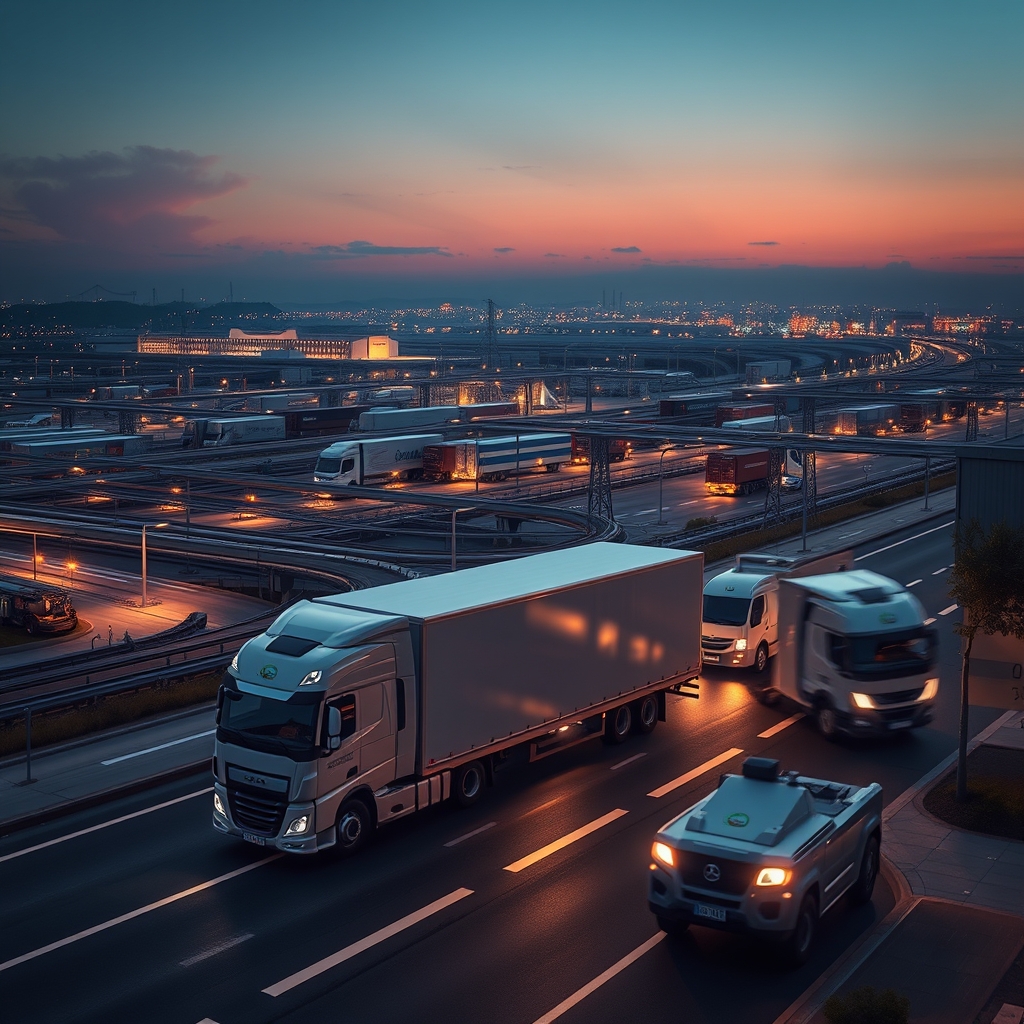
In the vast and intricate web of global trade, one element often operates quietly in the background, yet its impact is undeniable. Land transportation, encompassing everything from trucks and trains to last-mile delivery vans, serves as the connective tissue that binds together the world’s supply chains. While maritime transport carries the bulk of international cargo and air freight handles time-sensitive shipments, it is land transportation that ensures goods reach their final destinations—whether that’s a bustling urban retail store, a remote rural warehouse, or a consumer’s doorstep. Without it, the seamless flow of goods that powers economies and fuels daily life would grind to a halt.
The Unsung Hero of Supply Chain Solutions
Land transportation is the backbone of logistics management, bridging the gap between ports, airports, and distribution centers. It is the final leg of the journey for most goods, but its role begins long before products arrive at their ultimate destination. From the moment raw materials leave a factory to the instant a package is delivered to a customer, land transportation is involved at nearly every stage. This versatility makes it indispensable to industries ranging from manufacturing and retail to e-commerce and healthcare.
One of the most critical functions of land transportation is its ability to adapt to diverse logistical needs. For instance, cold chain logistics relies heavily on refrigerated trucks to maintain the integrity of perishable goods like pharmaceuticals, fresh produce, and dairy products. Similarly, fleet management systems ensure that vehicles are optimized for fuel efficiency, route planning, and driver safety, reducing costs and environmental impact. These systems are not just about moving goods; they are about doing so intelligently, sustainably, and reliably.
The Engine of E-Commerce Logistics
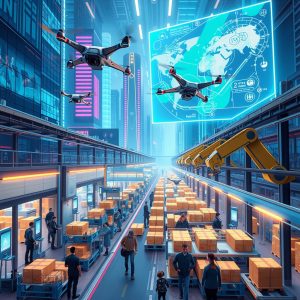
The explosive growth of e-commerce has placed unprecedented demands on land transportation. Consumers now expect same-day or next-day delivery, and businesses must meet these expectations without compromising on cost or efficiency. This has led to innovations in last-mile delivery, such as the use of drones, autonomous vehicles, and micro-fulfillment centers located closer to urban areas. Companies are also leveraging data analytics to predict demand, optimize routes, and reduce delivery times, transforming land transportation into a high-tech, high-stakes operation.
Yet, the challenges are as significant as the opportunities. Urban congestion, regulatory hurdles, and the need for sustainable practices are pushing logistics providers to rethink traditional models. Electric and hydrogen-powered trucks are gaining traction as viable alternatives to diesel vehicles, while shared logistics networks are emerging to reduce empty miles and improve efficiency. These advancements are not just about keeping pace with demand; they are about redefining what land transportation can achieve.
Navigating the Complexities of Trade Compliance
Land transportation does not operate in isolation. It is deeply intertwined with trade compliance, customs clearance, and international trade regulations. Cross-border shipments, for example, require meticulous documentation, adherence to import-export laws, and coordination with customs authorities. A single misstep in compliance can lead to delays, fines, or even the seizure of goods, underscoring the importance of seamless integration between transportation services and trade compliance frameworks.
Third-party logistics (3PL) providers play a pivotal role in this ecosystem. By outsourcing land transportation and related services to specialized firms, businesses can focus on their core competencies while leaving the complexities of logistics management to experts. 3PL providers offer end-to-end solutions, from warehousing and distribution to customs brokerage and freight forwarding, ensuring that goods move smoothly across borders and through supply chains.
The Future of Land Transportation: Innovation and Resilience
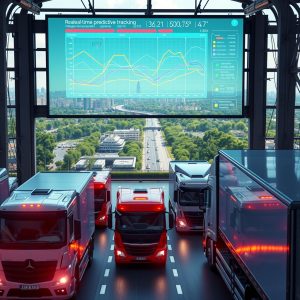
The future of land transportation is being shaped by technological advancements and shifting global dynamics. Autonomous trucks, for instance, promise to revolutionize long-haul freight by reducing labor costs and increasing efficiency. Meanwhile, blockchain technology is being explored to enhance transparency and security in supply chains, enabling real-time tracking of shipments and reducing the risk of fraud or theft.
Sustainability is another key driver of change. As governments and consumers alike demand greener practices, logistics providers are investing in alternative fuels, carbon-neutral operations, and circular economy models. These efforts are not just about meeting regulatory requirements; they are about future-proofing the industry and ensuring that land transportation remains a viable and vital component of global logistics.
At its core, land transportation is about more than just moving goods from point A to point B. It is about connecting people, businesses, and markets in ways that drive economic growth and improve quality of life. Whether it’s delivering life-saving medications to a hospital, restocking a grocery store with fresh produce, or bringing the latest gadget to a consumer’s doorstep, land transportation is the invisible force that makes it all possible. As the world continues to evolve, so too will the methods and technologies that power this essential industry, ensuring that the lifeline of global trade remains strong, resilient, and ready for the challenges ahead.