
The Ultimate Guide to Warehouse Automation: Tools and Techniques
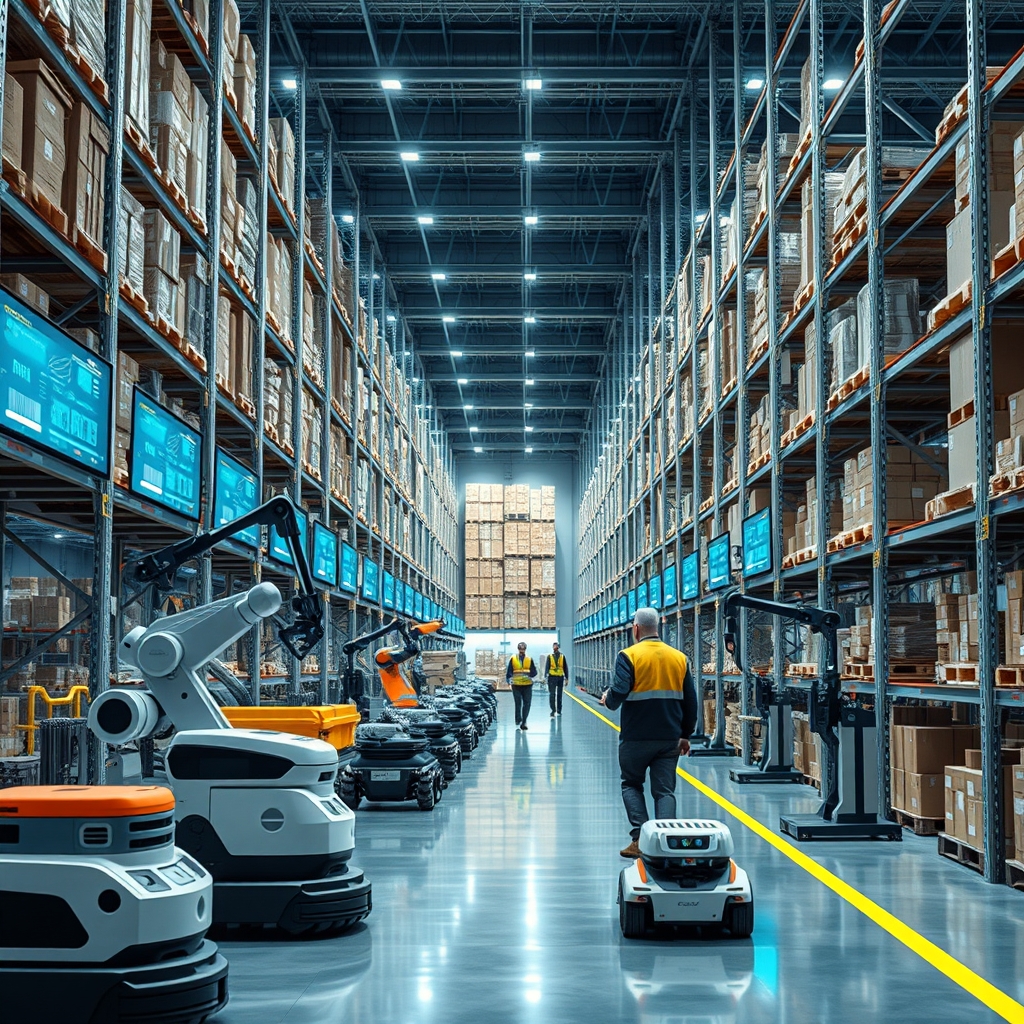
Warehouse automation has revolutionized the logistics and supply chain industry, offering unprecedented efficiency, accuracy, and cost savings. As businesses strive to meet the growing demands of e-commerce and global trade, adopting the right automation tools and techniques can be the difference between staying competitive and falling behind. This guide explores the latest advancements in warehouse automation, their benefits, and practical steps to implement them effectively.
The Rise of Warehouse Automation
In recent years, warehouse automation has evolved from a luxury to a necessity. The surge in online shopping, coupled with labor shortages and rising operational costs, has pushed companies to seek innovative solutions. Automation technologies, such as robotics, artificial intelligence (AI), and the Internet of Things (IoT), are now at the forefront of this transformation. These tools not only streamline operations but also enhance scalability, allowing businesses to adapt quickly to market changes.
Key Drivers of Automation
Several factors are driving the adoption of warehouse automation:
- E-commerce Growth: The exponential rise in online shopping has increased the volume of orders, making manual processes unsustainable.
- Labor Challenges: Finding and retaining skilled warehouse workers is becoming increasingly difficult, leading to higher labor costs and turnover rates.
- Demand for Speed: Customers expect faster delivery times, which requires warehouses to operate with greater efficiency and precision.
- Data-Driven Decisions: The ability to collect and analyze real-time data enables warehouses to optimize workflows and reduce errors.
Essential Warehouse Automation Tools
Warehouse automation encompasses a wide range of technologies, each designed to address specific challenges. Below are some of the most impactful tools available today:
1. Automated Guided Vehicles (AGVs) and Autonomous Mobile Robots (AMRs)
AGVs and AMRs are robotic systems that transport goods within a warehouse without human intervention. AGVs follow predefined paths, while AMRs use advanced sensors and AI to navigate dynamically. These robots reduce the need for manual labor in material handling, improving safety and efficiency. Companies like Amazon and Walmart have already integrated thousands of AMRs into their warehouses, significantly boosting productivity.
2. Warehouse Management Systems (WMS)
A WMS is a software solution that optimizes warehouse operations by managing inventory, orders, and labor. Modern WMS platforms leverage AI and machine learning to predict demand, automate replenishment, and reduce picking errors. They also integrate seamlessly with other systems, such as enterprise resource planning (ERP) software, to provide a holistic view of operations.
3. Automated Storage and Retrieval Systems (AS/RS)
AS/RS are computer-controlled systems that automatically place and retrieve items from storage locations. These systems are ideal for high-density storage and can operate in environments with limited space. By automating storage and retrieval, AS/RS reduce the time and effort required for manual picking, leading to faster order fulfillment.
4. Robotics and Cobots
Robotic arms and collaborative robots (cobots) are increasingly used for tasks such as picking, packing, and sorting. Unlike traditional robots, cobots are designed to work alongside humans, enhancing productivity without replacing the workforce. For example, cobots can assist workers in lifting heavy items or performing repetitive tasks, reducing the risk of injuries and fatigue.
5. Internet of Things (IoT) and Smart Sensors
IoT devices and smart sensors enable real-time monitoring of warehouse conditions, such as temperature, humidity, and inventory levels. These technologies provide valuable data that can be used to prevent spoilage, optimize energy usage, and improve overall efficiency. For instance, IoT-enabled sensors can alert managers to potential equipment failures before they occur, minimizing downtime.
Benefits of Warehouse Automation
Implementing warehouse automation offers numerous advantages, including:
Increased Efficiency
Automation reduces the time required for tasks such as picking, packing, and shipping. By eliminating manual processes, warehouses can fulfill orders faster and with fewer errors. This efficiency translates into lower operational costs and higher customer satisfaction.
Improved Accuracy
Human errors in order fulfillment can lead to costly mistakes, such as shipping the wrong items or incorrect quantities. Automation technologies, such as barcode scanners and AI-powered sorting systems, minimize these errors, ensuring that orders are accurate and complete.
Enhanced Scalability
Automated systems can easily scale to accommodate fluctuations in demand. Whether it’s a seasonal spike or a sudden increase in orders, automation allows warehouses to adjust quickly without the need for additional labor. This flexibility is particularly valuable for businesses with unpredictable demand patterns.
Better Workforce Utilization
Automation doesn’t necessarily mean replacing workers; instead, it allows employees to focus on higher-value tasks. For example, workers can spend more time on quality control, customer service, or process improvement rather than repetitive manual labor. This shift not only improves job satisfaction but also enhances overall productivity.
Implementing Warehouse Automation: A Step-by-Step Guide
Adopting warehouse automation requires careful planning and execution. Here’s a step-by-step guide to help you get started:
1. Assess Your Needs
Begin by evaluating your current warehouse operations to identify pain points and areas for improvement. Consider factors such as order volume, labor costs, and space constraints. This assessment will help you determine which automation tools are most suitable for your business.
2. Set Clear Goals
Define what you want to achieve with automation. Are you looking to reduce labor costs, improve order accuracy, or increase throughput? Setting clear, measurable goals will guide your decision-making process and help you track progress.
3. Research and Select Technologies
Explore the various automation technologies available and select the ones that align with your goals. Consult with vendors, attend industry trade shows, and read case studies to gain insights into the best solutions for your needs. Don’t forget to consider factors such as cost, scalability, and ease of integration.
4. Develop a Implementation Plan
Create a detailed plan outlining the steps required to implement the chosen technologies. This plan should include timelines, budgets, and key performance indicators (KPIs) to measure success. It’s also important to involve stakeholders, such as employees and IT teams, to ensure a smooth transition.
5. Train Your Team
Automation technologies require skilled operators to maximize their potential. Invest in training programs to ensure your team is proficient in using the new tools. This training should cover not only technical aspects but also safety protocols and troubleshooting techniques.
6. Monitor and Optimize
Once the automation systems are in place, continuously monitor their performance and gather feedback from employees. Use this data to identify areas for improvement and make necessary adjustments. Regular optimization ensures that your warehouse remains efficient and competitive.
Warehouse automation is no longer a futuristic concept but a practical solution for businesses looking to thrive in a fast-paced, competitive environment. By embracing the right tools and techniques, companies can transform their operations, reduce costs, and deliver exceptional service to their customers. The journey toward automation may seem daunting, but the rewards—greater efficiency, accuracy, and scalability—are well worth the investment. As technology continues to advance, those who adapt early will be best positioned to lead the way in the future of logistics and supply chain management.