Orchestrating Efficiency: How Collaborative Freight Networks Are Redefining Seamless Logistics
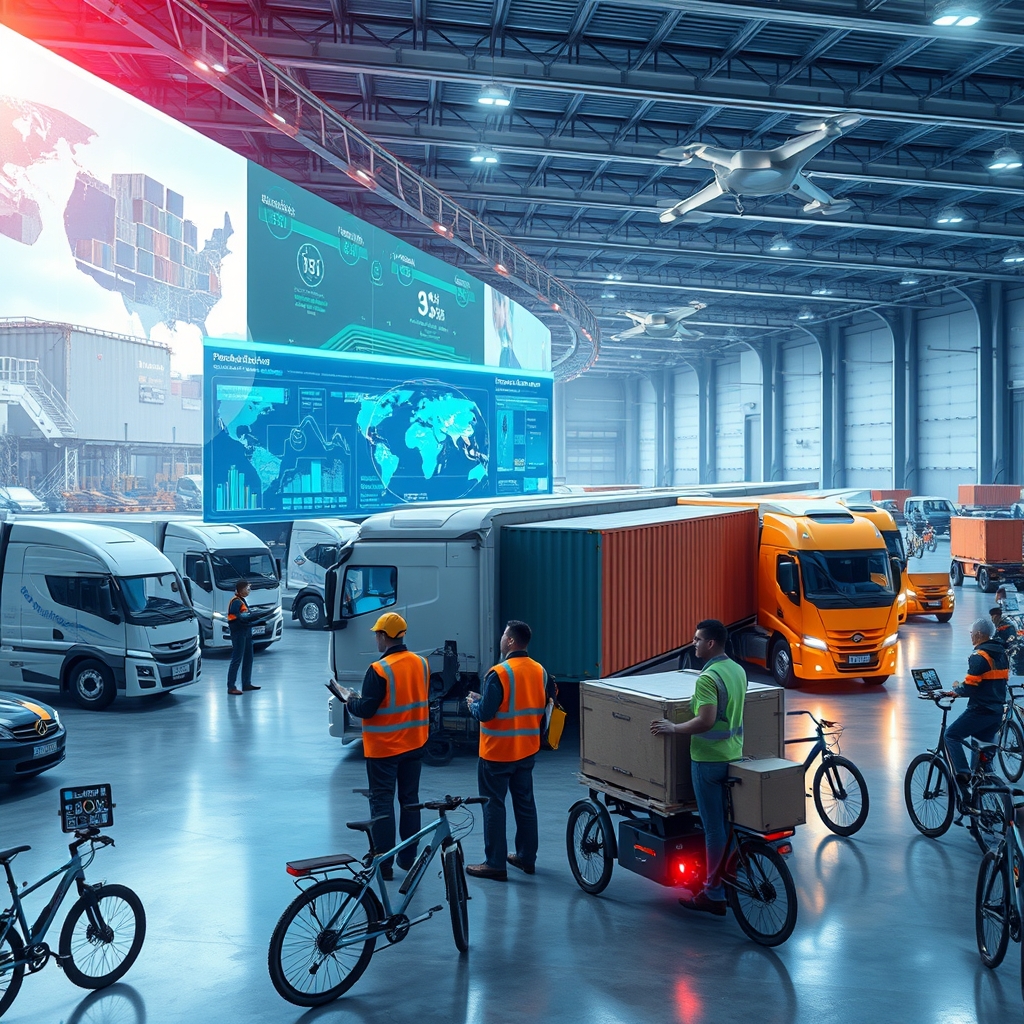
The logistics industry is undergoing a profound transformation, driven by the need for speed, transparency, and sustainability. At the heart of this evolution lies the concept of collaborative freight networks, a dynamic ecosystem where multiple stakeholders—carriers, shippers, technology providers, and even competitors—converge to create a seamless logistics experience. This shift is not just about moving goods from point A to point B; it’s about reimagining how supply chains operate in an interconnected world where efficiency and adaptability are paramount.
The Rise of Collaborative Freight Networks
Traditionally, logistics has been a fragmented industry, with each player operating in silos. Carriers optimized their routes, shippers negotiated contracts, and third-party logistics providers managed their own fleets—often with little coordination between them. This approach led to inefficiencies: empty backhauls, underutilized capacity, and delayed shipments. However, the emergence of collaborative freight networks is changing the game by fostering real-time collaboration and shared resources.
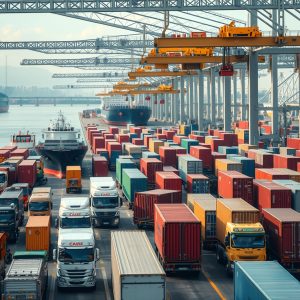
These networks leverage advanced technologies like AI-driven cargo management and cloud-based platforms to connect stakeholders in a unified digital ecosystem. For example, a carrier with excess capacity on a route can now seamlessly fill that space with shipments from multiple shippers, reducing costs and environmental impact. Similarly, shippers gain access to a broader pool of carriers, ensuring faster and more flexible delivery options. The result? A more efficient distribution workflow that benefits everyone involved.
Intelligent Route Planning: The Backbone of Efficiency
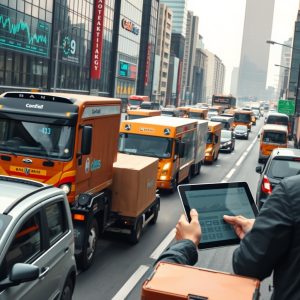
At the core of collaborative freight networks is intelligent route planning, a technology that goes beyond simple GPS navigation. Modern route optimization tools analyze vast amounts of data—traffic patterns, weather conditions, fuel costs, and even driver availability—to determine the most efficient paths for shipments. This isn’t just about saving time; it’s about creating a responsive transport planning system that adapts to real-world variables in real time.
For instance, predictive algorithms can anticipate delays caused by road closures or congestion and automatically reroute shipments to avoid disruptions. This level of adaptability ensures that goods arrive on time, every time, while also reducing fuel consumption and emissions. The environmental benefits are significant, aligning with the growing demand for sustainable delivery networks that prioritize eco-friendly practices without compromising efficiency.
Predictive Freight Tracking: Visibility Beyond the Horizon
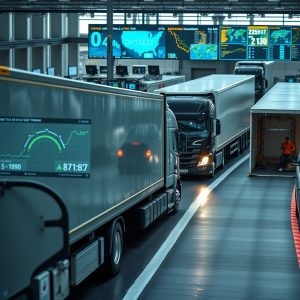
In today’s fast-paced world, customers and businesses alike demand transparency. Predictive freight tracking takes visibility to the next level by not only showing where a shipment is but also forecasting its estimated time of arrival (ETA) with remarkable accuracy. This technology uses machine learning to analyze historical data, current transit conditions, and even external factors like port delays or customs hold-ups to provide a dynamic ETA that updates in real time.
The impact of this level of visibility is profound. Shippers can proactively manage inventory, reducing the risk of stockouts or overstocking. Customers receive accurate delivery windows, enhancing their experience and reducing frustration. And carriers can optimize their operations, ensuring that resources are allocated where they’re needed most. It’s a win-win for all parties, creating a frictionless logistics interaction that builds trust and reliability.
Sustainable Delivery Networks: The Green Revolution in Logistics
Sustainability is no longer a buzzword; it’s a business imperative. The logistics industry, traditionally a significant contributor to carbon emissions, is now leading the charge toward greener practices. Sustainable delivery networks are at the forefront of this movement, integrating eco-friendly technologies and strategies into every stage of the supply chain.
One of the most effective ways to reduce emissions is through hyper-local transport solutions. By leveraging local carriers and micro-fulfillment centers, businesses can minimize the distance goods travel, cutting fuel consumption and carbon footprints. Additionally, the adoption of electric and hydrogen-powered vehicles is gaining traction, further reducing the environmental impact of logistics operations.
Collaborative freight networks play a crucial role in sustainability by maximizing asset utilization. Shared resources mean fewer empty trucks on the road, less wasted fuel, and lower emissions. When combined with data-driven cargo management, these networks can identify the most efficient routes and modes of transport, ensuring that sustainability is baked into every decision.
Personalized Delivery Scheduling: Putting the Customer First
In an era where customer expectations are higher than ever, personalized delivery scheduling is becoming a key differentiator for logistics providers. Today’s consumers want control over when and how their goods are delivered, and businesses are responding by offering flexible, customizable delivery options.
Advanced logistics platforms now allow customers to choose delivery windows that fit their schedules, whether it’s same-day, next-day, or a specific time slot. Some even offer the option to redirect shipments in transit or provide real-time updates via SMS or app notifications. This level of customer-focused distribution not only enhances satisfaction but also reduces the likelihood of missed deliveries, which can be costly for both businesses and carriers.
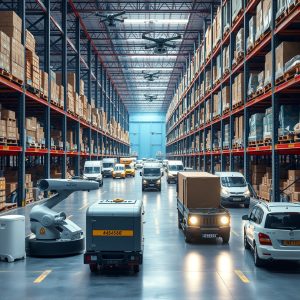
Behind the scenes, automated shipment fulfillment systems ensure that these personalized requests are executed seamlessly. AI-powered algorithms match delivery preferences with available resources, optimizing routes and ensuring that every shipment is handled with precision. The result is a logistics experience that feels tailor-made for each customer, fostering loyalty and repeat business.
The Future of Logistics: Scalability and Adaptability
As the logistics industry continues to evolve, scalability and adaptability will be critical to success. Scalable transport services enable businesses to grow without being constrained by their logistics infrastructure. Whether it’s expanding into new markets or handling seasonal spikes in demand, a flexible logistics network can scale up or down as needed, ensuring that operations remain smooth and cost-effective.
Adaptability is equally important. The ability to respond to disruptions—whether it’s a global pandemic, a natural disaster, or a sudden shift in consumer behavior—can make or break a supply chain. Collaborative freight networks excel in this regard, as they are designed to be agile and responsive. By leveraging shared resources and real-time data, these networks can quickly adjust to changing conditions, minimizing downtime and keeping goods moving.
Technology will continue to play a pivotal role in shaping the future of logistics. From tech-enabled fleet monitoring to enhanced handling transparency, innovations are making supply chains smarter, faster, and more resilient. As these technologies mature, they will unlock new possibilities for efficiency, sustainability, and customer satisfaction, ensuring that the logistics industry remains a cornerstone of global commerce.
The logistics landscape is no longer just about moving goods—it’s about creating a connected, intelligent, and sustainable ecosystem that benefits businesses, customers, and the planet. By embracing collaboration, leveraging cutting-edge technology, and prioritizing efficiency, the industry is not just keeping pace with change; it’s driving it forward, one seamless delivery at a time.