The Silent Revolution: How Hyper-Local Transport Solutions Are Redefining Urban Logistics
The modern urban landscape is a complex web of movement—packages crisscrossing cities, deliveries navigating congested streets, and consumers expecting near-instant gratification. Yet, beneath the surface of this bustling activity, a silent revolution is unfolding. Hyper-local transport solutions are emerging as the unsung heroes of logistics, transforming how goods move through dense urban environments with unprecedented efficiency and precision.
The Rise of Hyper-Local Logistics
Traditional logistics models often rely on centralized hubs, where goods are transported over long distances before reaching their final destinations. While this approach works for large-scale distribution, it struggles to meet the demands of urban delivery—where speed, flexibility, and sustainability are paramount. Hyper-local transport solutions flip this model on its head by decentralizing distribution, bringing warehouses, fulfillment centers, and micro-hubs closer to the end consumer.
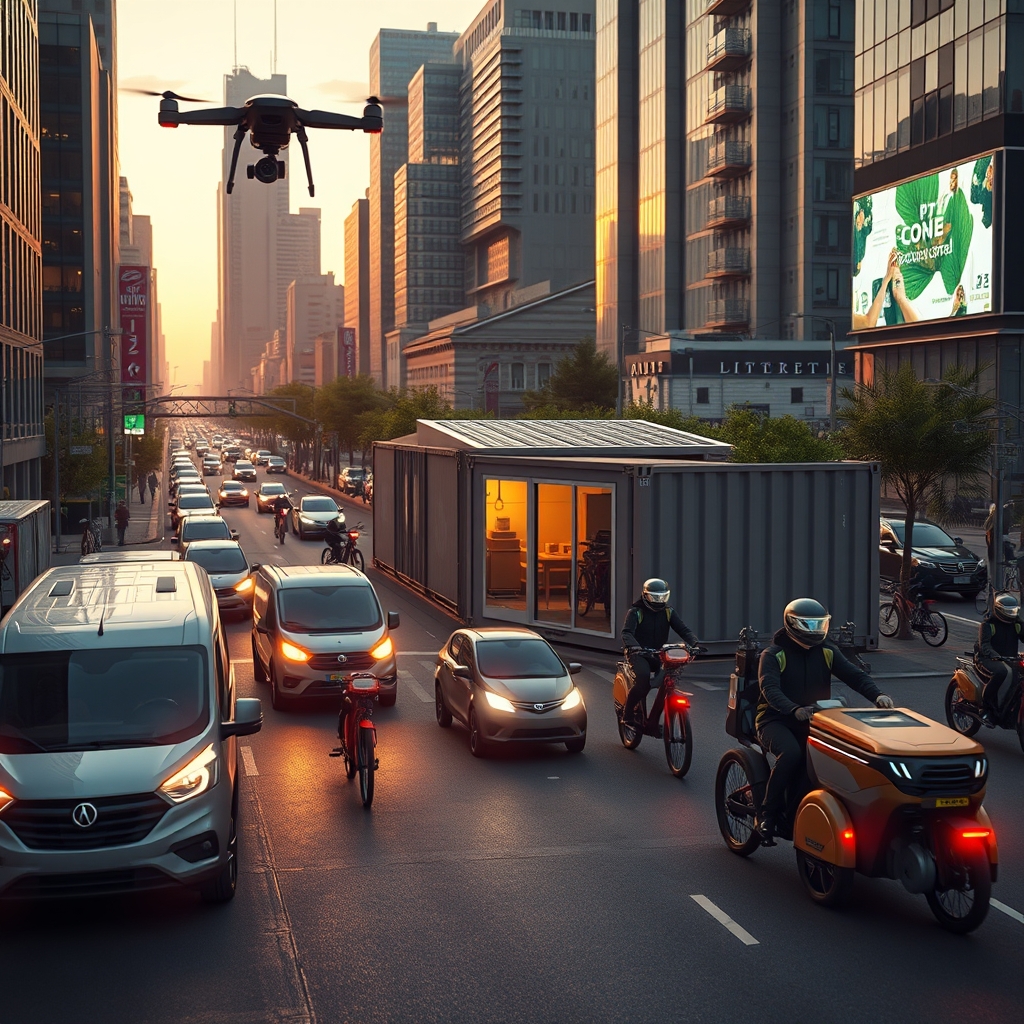
This shift is driven by a simple but powerful insight: the shorter the distance between storage and delivery, the faster and more reliable the service. By leveraging underutilized urban spaces—such as parking lots, retail backrooms, or even repurposed shipping containers—businesses can establish a network of micro-fulfillment centers that drastically reduce transit times. The result? A seamless logistics experience that feels almost invisible to the customer, yet operates with surgical precision.
Intelligent Route Planning: The Brain Behind the Operation
At the heart of hyper-local transport solutions lies intelligent route planning. Gone are the days of static delivery routes that ignore real-time traffic, weather, or demand fluctuations. Today’s logistics platforms harness the power of artificial intelligence and machine learning to dynamically optimize routes, ensuring that every delivery is as efficient as possible.
These systems analyze vast amounts of data—from historical traffic patterns to live road conditions—to predict the fastest, most fuel-efficient paths. They can even account for variables like driver availability, vehicle capacity, and customer preferences, creating a responsive transport planning framework that adapts on the fly. The outcome is a frictionless logistics interaction where delays are minimized, and resources are used with maximum efficiency.
Predictive Freight Tracking: Visibility Beyond the Horizon
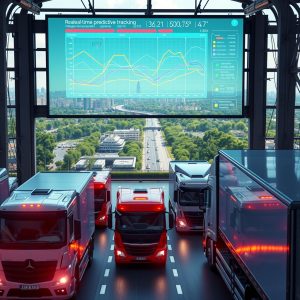
One of the most frustrating aspects of traditional logistics is the lack of transparency. Customers and businesses alike are often left in the dark about the status of their shipments, leading to uncertainty and dissatisfaction. Hyper-local transport solutions address this challenge through predictive freight tracking, which provides real-time transit visibility and proactive updates.
By integrating IoT sensors, GPS tracking, and advanced analytics, these systems offer a granular view of every shipment’s journey. Customers can track their packages in real time, receive accurate delivery windows, and even reroute shipments if plans change. For businesses, this level of enhanced handling transparency means fewer missed deliveries, reduced operational costs, and a stronger reputation for reliability.
Sustainable Delivery Networks: Greening the Last Mile
Urban logistics doesn’t just need to be fast—it needs to be sustainable. The environmental impact of last-mile delivery is a growing concern, with congestion and emissions contributing to urban pollution. Hyper-local transport solutions tackle this issue head-on by prioritizing eco-friendly practices, from electric vehicle fleets to optimized delivery routes that minimize fuel consumption.
Moreover, the decentralized nature of hyper-local logistics reduces the need for long-haul transportation, cutting carbon footprints significantly. Some companies are even exploring innovative solutions like cargo bikes, drones, and autonomous delivery robots to further shrink their environmental impact. By aligning efficiency with sustainability, these networks are proving that customer-focused distribution and green logistics can go hand in hand.
Personalized Delivery Scheduling: Putting the Customer First
In an era where personalization is king, logistics must evolve beyond one-size-fits-all solutions. Hyper-local transport networks excel in this area by offering personalized delivery scheduling, allowing customers to choose time slots that fit their lifestyles. Whether it’s same-day delivery, evening drop-offs, or scheduled pickups, these systems prioritize convenience without compromising efficiency.
This customer-centric approach extends beyond scheduling. Businesses can leverage data-driven cargo management to tailor delivery experiences—such as offering flexible return options, real-time notifications, or even in-person assistance. By treating logistics as an extension of the customer experience, companies can foster loyalty and differentiate themselves in a crowded market.
The Future of Urban Logistics: Scalable and Adaptive
As cities continue to grow and consumer expectations evolve, the demand for scalable transport services will only intensify. Hyper-local transport solutions are uniquely positioned to meet this challenge, thanks to their modular and adaptive nature. Whether it’s expanding into new neighborhoods, integrating with existing supply chains, or adopting emerging technologies, these networks are built to scale without sacrificing performance.
Collaborative freight networks are also playing a key role in this evolution. By sharing resources—such as warehousing space, delivery fleets, or data insights—businesses can create a more interconnected and resilient logistics ecosystem. This collaborative approach not only reduces costs but also enhances the overall efficiency of urban distribution workflows.
The transformation of urban logistics is not just about technology—it’s about reimagining how goods move through our cities. Hyper-local transport solutions are at the forefront of this shift, blending innovation with practicality to create a seamless, sustainable, and customer-focused distribution network. As these systems continue to mature, they will redefine the very fabric of urban life, making the invisible infrastructure of logistics more visible, more efficient, and more essential than ever before. The silent revolution is here, and its impact will be felt for generations to come.