The Strategic Imperative of Multimodal Logistics: Unlocking Efficiency and Resilience in Global Supply Chains
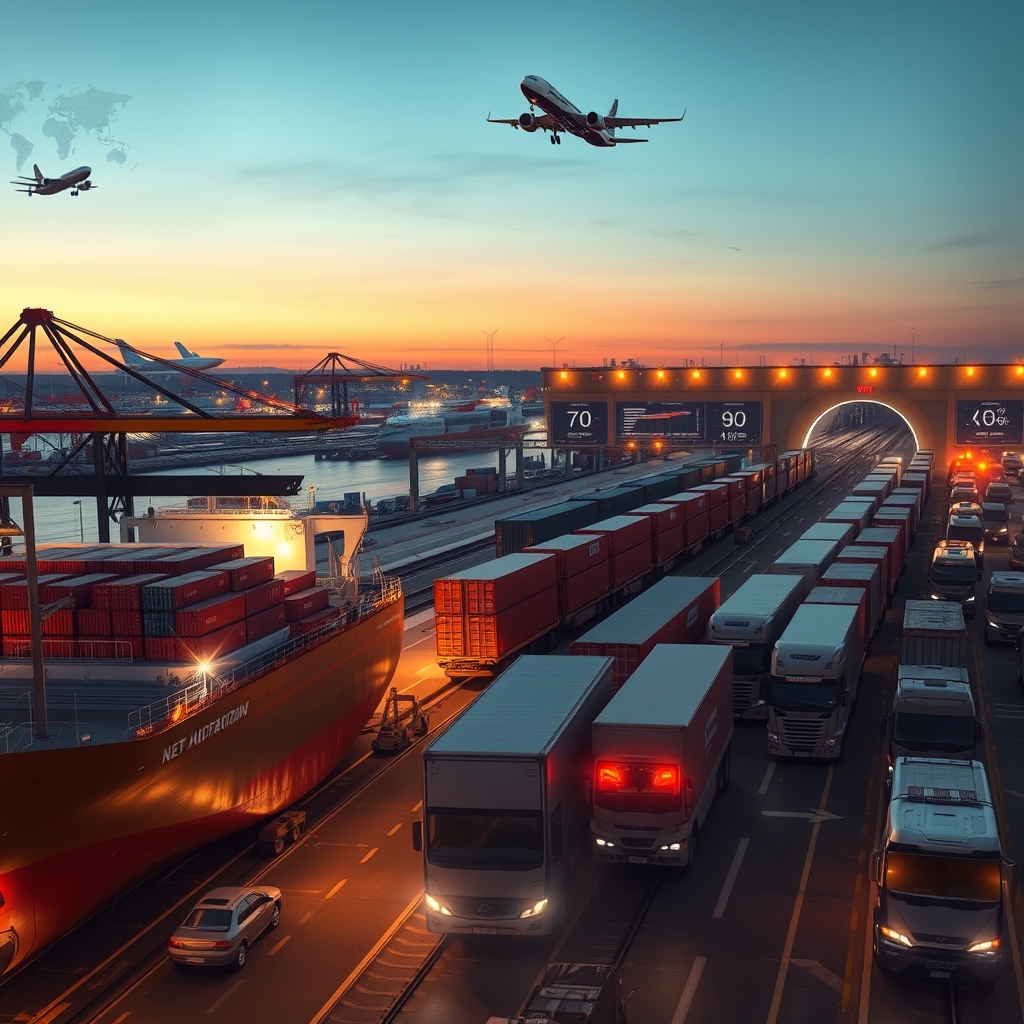
In an era where global trade is more interconnected than ever, businesses face relentless pressure to optimize their supply chains for speed, cost, and reliability. The traditional reliance on a single mode of transportation—whether maritime, air, or land—no longer suffices in a world where disruptions, geopolitical shifts, and evolving consumer demands dictate the pace of commerce. This is where multimodal logistics emerges as a game-changer, offering a strategic framework to navigate the complexities of modern supply chains while enhancing resilience and efficiency.
The Evolution of Multimodal Logistics
Multimodal logistics is not a new concept, but its significance has grown exponentially in recent years. At its core, it involves the seamless integration of two or more transportation modes—such as maritime, air, rail, and road—to move goods from origin to destination. Unlike intermodal logistics, which focuses on the use of standardized containers across different modes, multimodal logistics emphasizes the strategic coordination of these modes under a single contract or logistics provider. This approach eliminates the fragmentation that often plagues traditional supply chains, where each leg of the journey is managed by separate entities, leading to inefficiencies and higher costs.
The rise of multimodal logistics has been driven by several factors, including the globalization of trade, the expansion of e-commerce, and the need for greater supply chain agility. For instance, a shipment of electronics manufactured in Asia might begin its journey via maritime transport to a major port in Europe, then transition to rail transportation for inland distribution, and finally rely on land transportation for last-mile delivery. By leveraging the strengths of each mode—such as the cost-effectiveness of maritime shipping, the speed of air cargo, and the flexibility of road transport—businesses can achieve a balance between efficiency and responsiveness.
The Strategic Advantages of Multimodal Logistics
1. Cost Optimization
One of the most compelling benefits of multimodal logistics is its potential to reduce transportation costs. Maritime shipping, for example, is ideal for bulk shipments over long distances but can be slow and inflexible. Air cargo, while faster, comes at a premium. By strategically combining these modes, businesses can optimize their shipping routes to minimize costs without sacrificing delivery timelines. For example, a company might use maritime transport for the majority of a shipment’s journey and switch to air cargo for the final leg to meet a tight deadline, thereby avoiding the higher costs of air shipping the entire distance.
2. Enhanced Supply Chain Resilience
Supply chain disruptions—whether caused by natural disasters, geopolitical tensions, or pandemics—can have catastrophic effects on businesses. Multimodal logistics provides a built-in redundancy that enhances resilience. If one mode of transportation is compromised, such as a port closure or a rail strike, businesses can quickly pivot to alternative routes or modes. This flexibility is particularly critical in international trade, where delays at borders or customs can cascade into costly bottlenecks. By diversifying their transportation strategies, companies can mitigate risks and ensure continuity in their operations.
3. Improved Speed and Efficiency
In today’s fast-paced market, speed is often the difference between success and failure. Multimodal logistics enables businesses to leverage the fastest available routes and modes for different segments of a shipment’s journey. For instance, perishable goods requiring cold chain logistics might be transported via air for the long-haul segment to preserve freshness, then transferred to refrigerated trucks for last-mile delivery. This approach not only accelerates delivery times but also reduces the risk of spoilage or damage, ensuring that products reach consumers in optimal condition.
4. Sustainability and Environmental Benefits
As sustainability becomes a priority for businesses and consumers alike, multimodal logistics offers a pathway to reduce the environmental impact of transportation. Maritime and rail transport, for example, are significantly more fuel-efficient than road or air transport, producing lower carbon emissions per ton-mile. By shifting a portion of their freight from trucks to trains or ships, companies can lower their carbon footprint while still meeting delivery targets. This aligns with the growing demand for sustainable logistics and can enhance a company’s reputation as an environmentally responsible brand.
Overcoming the Challenges of Multimodal Logistics
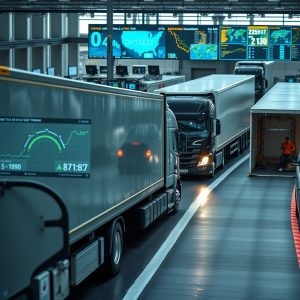
While the benefits of multimodal logistics are clear, implementing it effectively requires overcoming several challenges. One of the primary hurdles is the complexity of coordinating multiple transportation modes, each with its own set of regulations, infrastructure, and operational constraints. For example, customs clearance processes can vary significantly between countries, and delays at borders can disrupt the entire supply chain. To address this, businesses must invest in robust logistics management systems that provide real-time visibility into shipments and enable seamless communication between all parties involved.
Another challenge is the need for standardized processes and documentation. Inconsistent paperwork or labeling can lead to errors, delays, and increased costs. Adopting digital solutions, such as blockchain or cloud-based platforms, can streamline documentation and improve accuracy. These technologies also enhance transparency, allowing businesses to track shipments in real-time and proactively address any issues that arise.
Finally, the success of multimodal logistics hinges on strong partnerships with third-party logistics (3PL) providers and freight forwarders. These partners bring expertise in navigating the complexities of global trade, from trade compliance to route optimization. By collaborating with experienced providers, businesses can leverage their networks and infrastructure to create a seamless, end-to-end logistics solution.
The Role of Technology in Multimodal Logistics
Technology is a critical enabler of multimodal logistics, providing the tools needed to optimize routes, track shipments, and manage documentation. Advanced analytics and artificial intelligence (AI) can analyze vast amounts of data to identify the most efficient transportation routes, predict potential disruptions, and recommend alternative strategies. For example, AI-powered platforms can assess weather patterns, port congestion, and fuel costs to determine the optimal combination of transportation modes for a given shipment.
Real-time tracking and visibility tools are equally important, allowing businesses to monitor their shipments at every stage of the journey. This not only improves operational efficiency but also enhances customer satisfaction by providing accurate delivery estimates. In the context of e-commerce logistics, where consumers expect fast and transparent delivery, these tools are indispensable for maintaining a competitive edge.
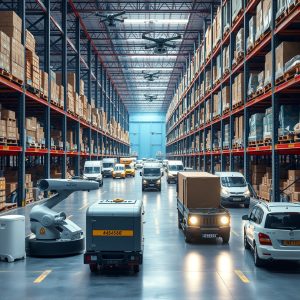
Automation is another area where technology is transforming multimodal logistics. Automated warehouses, for instance, can streamline the transfer of goods between different transportation modes, reducing handling times and minimizing the risk of errors. Similarly, autonomous vehicles and drones are beginning to play a role in last-mile delivery, further enhancing the efficiency of multimodal supply chains.
As global trade continues to evolve, the ability to adapt and innovate will be key to success. Multimodal logistics represents a powerful strategy for businesses to enhance their supply chain resilience, reduce costs, and meet the demands of a rapidly changing market. By embracing this approach and leveraging the latest technologies, companies can unlock new levels of efficiency and position themselves for long-term growth in the dynamic world of international trade. The future of logistics is not about relying on a single mode of transportation but about creating a harmonious symphony of modes that work together to deliver value, sustainability, and reliability.