The Invisible Web: How Tech-Enabled Fleet Monitoring and Personalized Delivery Scheduling Are Weaving a Smarter Logistics Ecosystem
In an era where the tap of a finger can summon a ride, order a meal, or dispatch a package across continents, the expectations for logistics have evolved beyond mere speed. Today’s consumers and businesses demand not just efficiency, but intelligence—a system that anticipates needs, adapts to disruptions, and delivers with precision. At the heart of this transformation lies a convergence of technologies that are quietly redefining the logistics landscape, turning what was once a fragmented process into a seamless, data-driven ecosystem.
The Backbone of Modern Logistics: Tech-Enabled Fleet Monitoring
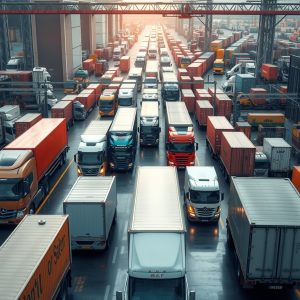
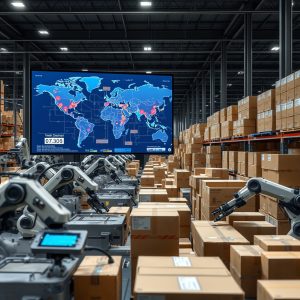
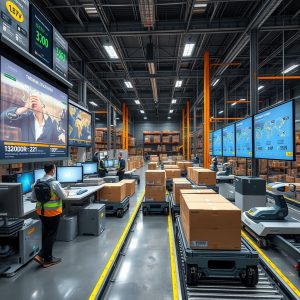
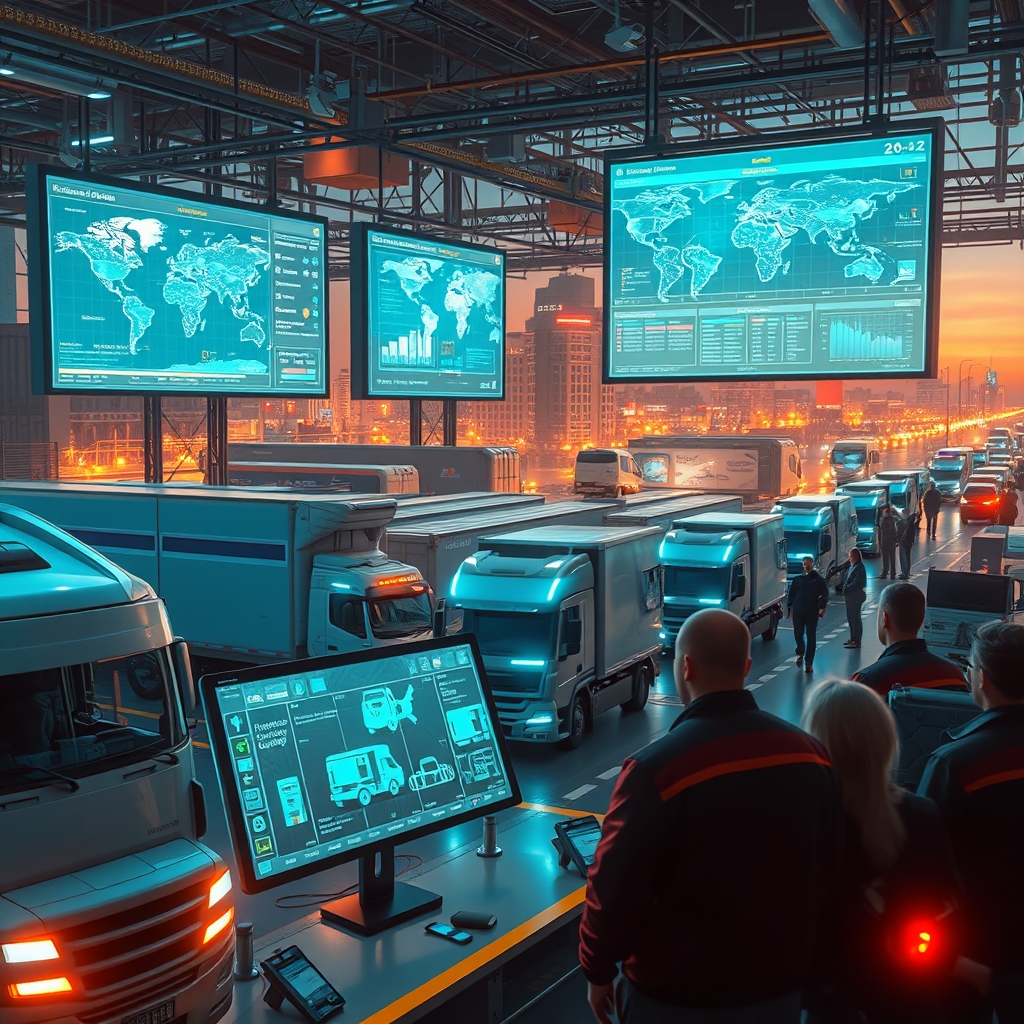
Gone are the days when fleet management relied on radio check-ins and paper logs. Today, tech-enabled fleet monitoring systems act as the nervous system of logistics operations, providing real-time insights into every vehicle’s location, condition, and performance. IoT sensors embedded in trucks, ships, and even drones collect a wealth of data—fuel consumption, engine health, driver behavior, and environmental conditions—transmitting it to centralized platforms where AI algorithms process it in real time.
This level of visibility is more than just tracking; it’s about predictive maintenance that prevents breakdowns before they occur, dynamic rerouting that avoids traffic or weather delays, and optimized fuel usage that reduces costs and emissions. For logistics providers, this means fewer disruptions, lower operational costs, and the ability to promise—and deliver—unprecedented reliability to customers. For the environment, it translates into reduced carbon footprints, as fleets operate with maximum efficiency, minimizing idle time and unnecessary mileage.
From Data to Decisions: The Role of AI in Fleet Intelligence
The true power of fleet monitoring lies not in the data itself, but in how it’s used. Machine learning models analyze historical and real-time data to identify patterns, predict potential bottlenecks, and recommend optimal routes or load distributions. For instance, an AI system might detect that a particular highway is prone to congestion during certain hours and suggest an alternative route that saves time and fuel. Similarly, it can predict when a vehicle is likely to require maintenance, scheduling it during off-peak hours to avoid disruptions.
This intelligence extends beyond individual vehicles. By aggregating data across an entire fleet, logistics providers can identify inefficiencies in their networks, such as underutilized routes or imbalanced load distributions, and adjust their strategies accordingly. The result is a fleet that doesn’t just react to challenges but anticipates and adapts to them, creating a more resilient and responsive logistics network.
The Personal Touch: How Scheduling is Redefining Customer Expectations
While fleet monitoring ensures that goods move efficiently behind the scenes, personalized delivery scheduling puts the customer in the driver’s seat. In a world where convenience is king, the ability to choose when, where, and how a delivery arrives is no longer a luxury—it’s an expectation. Tech-driven scheduling tools are making this a reality, offering customers unprecedented control over their delivery experiences.
These systems leverage AI to analyze a customer’s past behavior, preferences, and even real-time availability to suggest optimal delivery windows. For example, a busy professional might prefer evening deliveries, while a small business owner might need a specific time slot to ensure someone is available to receive a critical shipment. By integrating with calendar apps, smart home devices, or even location-based services, logistics providers can offer truly personalized scheduling that aligns with the customer’s lifestyle.
The Last Mile, Reimagined
The last mile has long been the most challenging—and costly—part of the delivery process. Personalized scheduling is transforming this final leg by reducing failed delivery attempts, minimizing wait times, and even enabling innovative solutions like smart lockers or in-home delivery options. For instance, a customer might opt to have a package delivered to a secure locker at their gym, or grant temporary access to their home for a delivery agent to place a perishable item in the fridge.
This level of flexibility doesn’t just enhance customer satisfaction; it also drives operational efficiency. Fewer failed deliveries mean lower costs for logistics providers, while dynamic scheduling allows them to optimize routes and reduce fuel consumption. It’s a win-win, where customer convenience and operational excellence go hand in hand.
The Ripple Effect: How Smart Logistics is Reshaping Industries
The impact of tech-enabled fleet monitoring and personalized scheduling extends far beyond the logistics industry itself. Retailers, for example, can offer more accurate delivery promises, reducing cart abandonment and increasing customer loyalty. Manufacturers can synchronize their supply chains with greater precision, minimizing inventory costs and production delays. Even healthcare providers benefit, as temperature-sensitive medications or medical supplies can be delivered with pinpoint accuracy, ensuring they arrive in perfect condition.
In urban environments, these technologies are enabling the rise of hyper-local transport solutions, where goods are stored in decentralized micro-fulfillment centers and delivered within hours—or even minutes—of an order being placed. This not only reduces the strain on traditional logistics networks but also supports sustainability goals by cutting down on long-distance transportation and packaging waste.
The Human Element in a Tech-Driven World
Despite the heavy reliance on technology, the human element remains crucial. Fleet managers, drivers, and customer service teams are the ones who interpret data, make judgment calls, and ensure that the system runs smoothly. For instance, a driver might override an AI-recommended route based on local knowledge, or a customer service agent might step in to resolve a scheduling conflict with a personal touch. Technology enhances their capabilities, but it doesn’t replace the intuition, empathy, and problem-solving skills that only humans can provide.
As logistics continues to evolve, the most successful providers will be those that strike the right balance between automation and human insight. They will use technology to eliminate inefficiencies, reduce costs, and enhance customer experiences, while never losing sight of the people—both employees and customers—who are at the heart of every delivery. The invisible web of data, AI, and connectivity is weaving a smarter logistics ecosystem, but it’s the human connections that give it meaning and purpose, turning a series of transactions into a seamless, almost magical experience.