The Strategic Imperative of Sustainable Fleet Management in Modern Logistics: Driving Efficiency, Cost Savings, and Environmental Responsibility

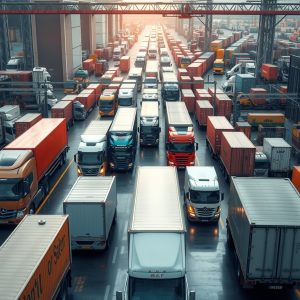
In an era where global trade is expanding at an unprecedented pace, the logistics industry faces a dual challenge: meeting the growing demand for efficient transportation while minimizing its environmental footprint. At the heart of this challenge lies fleet management, a critical component of modern logistics that directly impacts operational efficiency, cost structures, and sustainability goals. As businesses strive to optimize their supply chain solutions and transportation services, sustainable fleet management emerges as a strategic imperative, offering a pathway to balance profitability with environmental stewardship.
The Evolution of Fleet Management in Logistics
Fleet management has undergone a significant transformation over the past decade, evolving from a purely operational function to a strategic driver of business success. Traditionally, fleet management focused on vehicle maintenance, fuel consumption, and driver productivity. However, with the advent of advanced technologies such as IoT (Internet of Things), AI (Artificial Intelligence), and telematics, the scope of fleet management has expanded to include real-time monitoring, predictive analytics, and data-driven decision-making. These innovations enable logistics providers to enhance fleet efficiency, reduce downtime, and improve overall supply chain resilience.
Moreover, the rise of e-commerce logistics and the increasing complexity of global logistics networks have further underscored the importance of fleet management. Businesses must now navigate a landscape characterized by rising fuel costs, stringent regulatory requirements, and heightened customer expectations for faster, more reliable deliveries. In this context, sustainable fleet management is not just a cost-saving measure but a competitive differentiator that can enhance brand reputation and customer loyalty.
The Business Case for Sustainable Fleet Management
Sustainability in fleet management is often perceived as a trade-off between environmental responsibility and profitability. However, the reality is far more nuanced. Sustainable fleet practices can deliver tangible business benefits, including reduced operational costs, improved regulatory compliance, and enhanced corporate social responsibility (CSR) credentials. For instance, transitioning to electric vehicles (EVs) or hybrid fleets can significantly lower fuel expenses and maintenance costs over the long term, while also reducing carbon emissions.
Additionally, sustainable fleet management can mitigate risks associated with fluctuating fuel prices and regulatory changes. Governments worldwide are implementing stricter emissions standards and incentivizing the adoption of green technologies. By proactively embracing sustainable practices, logistics providers can future-proof their operations and avoid potential penalties or disruptions. Furthermore, companies that demonstrate a commitment to sustainability often attract environmentally conscious customers and investors, creating new opportunities for growth and collaboration.
Key Strategies for Sustainable Fleet Management
Implementing sustainable fleet management requires a holistic approach that integrates technology, process optimization, and stakeholder engagement. Below are some key strategies that logistics providers can adopt to drive sustainability in their fleet operations:
1. Adoption of Alternative Fuel Vehicles
The shift from traditional diesel-powered vehicles to alternative fuel options such as electric, hydrogen, or compressed natural gas (CNG) is a cornerstone of sustainable fleet management. Electric vehicles (EVs), in particular, have gained traction due to advancements in battery technology and the expanding network of charging infrastructure. While the upfront costs of EVs may be higher, the long-term savings on fuel and maintenance, coupled with government incentives, make them a viable option for many logistics providers.
2. Route Optimization and Load Consolidation
Efficient route planning and load consolidation are critical for reducing fuel consumption and emissions. Advanced fleet management software can analyze real-time traffic data, weather conditions, and delivery schedules to identify the most efficient routes. By optimizing routes and consolidating loads, logistics providers can minimize empty miles, reduce fuel usage, and lower their carbon footprint. This not only benefits the environment but also improves delivery times and customer satisfaction.
3. Telematics and Real-Time Monitoring
Telematics systems enable logistics providers to monitor vehicle performance, driver behavior, and fuel efficiency in real time. By leveraging data from telematics, fleet managers can identify areas for improvement, such as reducing idling time, optimizing speed, and minimizing harsh braking. These insights can lead to significant fuel savings and lower emissions, while also enhancing driver safety and productivity.
4. Driver Training and Engagement
Drivers play a pivotal role in the sustainability of fleet operations. Training programs that focus on eco-driving techniques, such as smooth acceleration, maintaining steady speeds, and reducing idling, can significantly improve fuel efficiency. Additionally, engaging drivers in sustainability initiatives and recognizing their contributions can foster a culture of environmental responsibility within the organization.
5. Collaboration with Sustainable Partners
Sustainability in fleet management extends beyond internal operations. Logistics providers can collaborate with suppliers, customers, and third-party logistics (3PL) partners to create a more sustainable supply chain. For example, partnering with green energy providers for EV charging or working with customers to optimize delivery schedules can further reduce the environmental impact of fleet operations.
The Role of Technology in Sustainable Fleet Management
Technology is a powerful enabler of sustainable fleet management, providing the tools and insights needed to drive efficiency and reduce environmental impact. Below are some of the key technologies shaping the future of sustainable fleets:
1. Artificial Intelligence and Machine Learning
AI and machine learning algorithms can analyze vast amounts of data to identify patterns and optimize fleet operations. For example, AI can predict vehicle maintenance needs, reducing downtime and extending the lifespan of fleet assets. Machine learning can also enhance route optimization by continuously learning from historical data and adapting to changing conditions, such as traffic or weather.
2. Internet of Things (IoT)
IoT devices, such as sensors and GPS trackers, provide real-time data on vehicle location, fuel consumption, and engine performance. This data can be used to monitor fleet efficiency, detect anomalies, and trigger alerts for maintenance or repairs. IoT-enabled fleets can also improve safety by monitoring driver behavior and providing feedback to prevent accidents.
3. Blockchain for Transparency and Traceability
Blockchain technology can enhance transparency and traceability in fleet operations by creating an immutable record of transactions, such as fuel purchases, maintenance logs, and emissions data. This not only improves accountability but also enables logistics providers to demonstrate their sustainability efforts to customers and regulators.
4. Autonomous Vehicles and Drones
While still in the early stages of adoption, autonomous vehicles and drones have the potential to revolutionize fleet management by reducing the need for human drivers and optimizing delivery routes. Autonomous vehicles can operate 24/7, reducing delivery times and fuel consumption, while drones can be used for last-mile deliveries in urban areas, further lowering emissions.
As the logistics industry continues to evolve, sustainable fleet management will play an increasingly critical role in shaping the future of global trade. By embracing innovative technologies, optimizing operations, and fostering a culture of sustainability, logistics providers can achieve a delicate balance between efficiency, cost savings, and environmental responsibility. The journey toward sustainable fleet management is not without its challenges, but the rewards—reduced costs, enhanced brand reputation, and a healthier planet—are well worth the effort. In a world where consumers and businesses alike are prioritizing sustainability, those who lead the charge in sustainable fleet management will not only future-proof their operations but also set a new standard for excellence in modern logistics.