The Invisible Handshake: How Enhanced Handling Transparency is Redefining Trust in Modern Logistics
The logistics industry has long operated as the unseen force powering global commerce, where efficiency and reliability often took precedence over visibility. Yet, as supply chains grow more complex and customer expectations evolve, the demand for transparency has surged. No longer satisfied with tracking numbers and estimated delivery windows, businesses and consumers alike now seek a deeper understanding of how their goods move through the world. This shift has given rise to enhanced handling transparency, a transformative approach that is redefining trust in logistics by making every step of the journey visible, verifiable, and value-driven.
The Transparency Imperative
Transparency in logistics is not merely about knowing where a package is at any given moment—it’s about understanding the conditions it endures, the hands it passes through, and the decisions that shape its path. For businesses, this level of insight is critical for managing risk, optimizing inventory, and ensuring compliance with regulatory standards. For consumers, it’s about confidence—knowing that their orders are handled with care, whether it’s a fragile electronic device or temperature-sensitive pharmaceuticals.
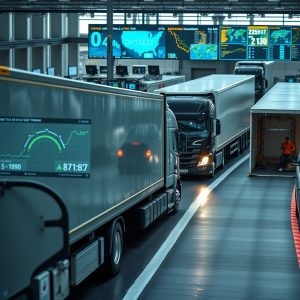
Traditionally, logistics providers relied on fragmented systems where information was siloed across carriers, warehouses, and distribution centers. This opacity often led to inefficiencies, disputes, and a lack of accountability. However, advancements in tech-enabled fleet monitoring and real-time transit visibility have dismantled these barriers. Today, IoT sensors, blockchain ledgers, and AI-driven analytics work in tandem to create an unbroken chain of custody, where every touchpoint is recorded, timestamped, and accessible.
From Black Box to Glass Pipeline
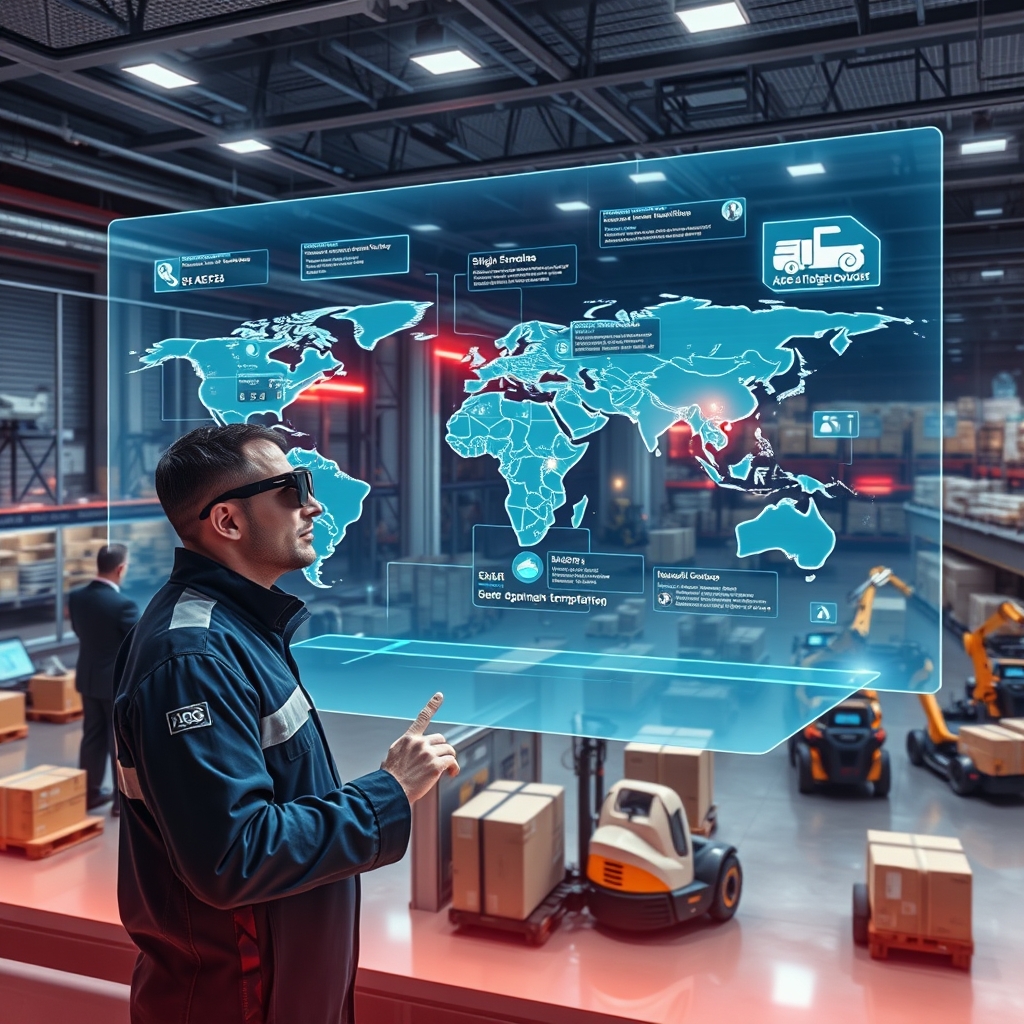
The transformation from opaque operations to transparent pipelines begins with data. Modern logistics networks leverage predictive freight tracking to anticipate delays, reroute shipments dynamically, and provide proactive updates. For instance, if a truck encounters unexpected traffic or weather disruptions, the system doesn’t just notify stakeholders—it recalculates the most efficient path in real time, ensuring minimal disruption while keeping all parties informed.
But transparency extends beyond location tracking. Enhanced handling systems monitor environmental conditions such as temperature, humidity, and shock levels, which are particularly crucial for perishable goods or high-value items. These sensors transmit data continuously, allowing logistics providers to intervene if conditions deviate from acceptable ranges. For example, a pharmaceutical shipment that exceeds its temperature threshold can trigger an immediate alert, enabling corrective action before the integrity of the product is compromised.
The Human Element in a Data-Driven World
While technology is the backbone of enhanced transparency, its true power lies in how it empowers people. Customer-focused distribution thrives when end-users have access to granular details about their shipments. Imagine a scenario where a retailer can not only track a shipment’s location but also view the handling history—who loaded it, when it was inspected, and how it was stored. This level of detail fosters trust and strengthens partnerships between logistics providers and their clients.
For logistics professionals, transparency tools streamline operations by reducing the need for manual checks and reconciliations. Automated alerts for exceptions—such as missed scans or unauthorized access—allow teams to address issues swiftly, minimizing disruptions. Moreover, the ability to share real-time data with customers reduces the volume of inquiries and complaints, freeing up resources to focus on value-added services rather than firefighting.
Sustainability Through Visibility
Transparency also plays a pivotal role in advancing sustainable delivery networks. By providing clear insights into fuel consumption, emissions, and route efficiency, logistics providers can identify opportunities to reduce their environmental footprint. For example, data-driven route optimization not only cuts delivery times but also minimizes fuel usage, contributing to lower carbon emissions. When customers can see the sustainability metrics of their shipments, it aligns with their values and strengthens brand loyalty.
Furthermore, enhanced handling transparency enables better compliance with sustainability regulations. Governments and industry bodies are increasingly mandating reporting on carbon emissions and ethical sourcing. Logistics providers equipped with transparent systems can easily generate the necessary documentation, demonstrating their commitment to responsible practices.
The Future: A Collaborative Ecosystem
The next frontier of transparency lies in collaborative freight networks, where multiple stakeholders—carriers, warehouses, retailers, and even end consumers—share a unified view of the supply chain. Blockchain technology is emerging as a key enabler in this space, providing an immutable ledger that records every transaction and movement. This not only enhances security but also eliminates disputes over lost or mishandled shipments, as the entire history of a package is verifiable by all parties.
As logistics networks become more interconnected, the ability to provide personalized delivery scheduling and adaptive last-mile solutions will further elevate the customer experience. Imagine a world where a consumer can adjust their delivery window in real time, reroute a package to a nearby locker, or even request a specific handling protocol—all while having full visibility into the process. This level of flexibility and transparency is no longer a luxury; it’s becoming the standard.
Enhanced handling transparency is not just a technological upgrade—it’s a cultural shift in how logistics operates. By replacing opacity with openness, the industry is building stronger relationships with customers, driving operational efficiency, and paving the way for a more sustainable future. As supply chains continue to evolve, those who embrace transparency will not only meet the demands of today but also shape the expectations of tomorrow, where trust is not just earned but proven at every step of the journey.