The Strategic Imperative of End-to-End Cold Chain Logistics in Modern Global Trade: Ensuring Product Integrity Across Borders
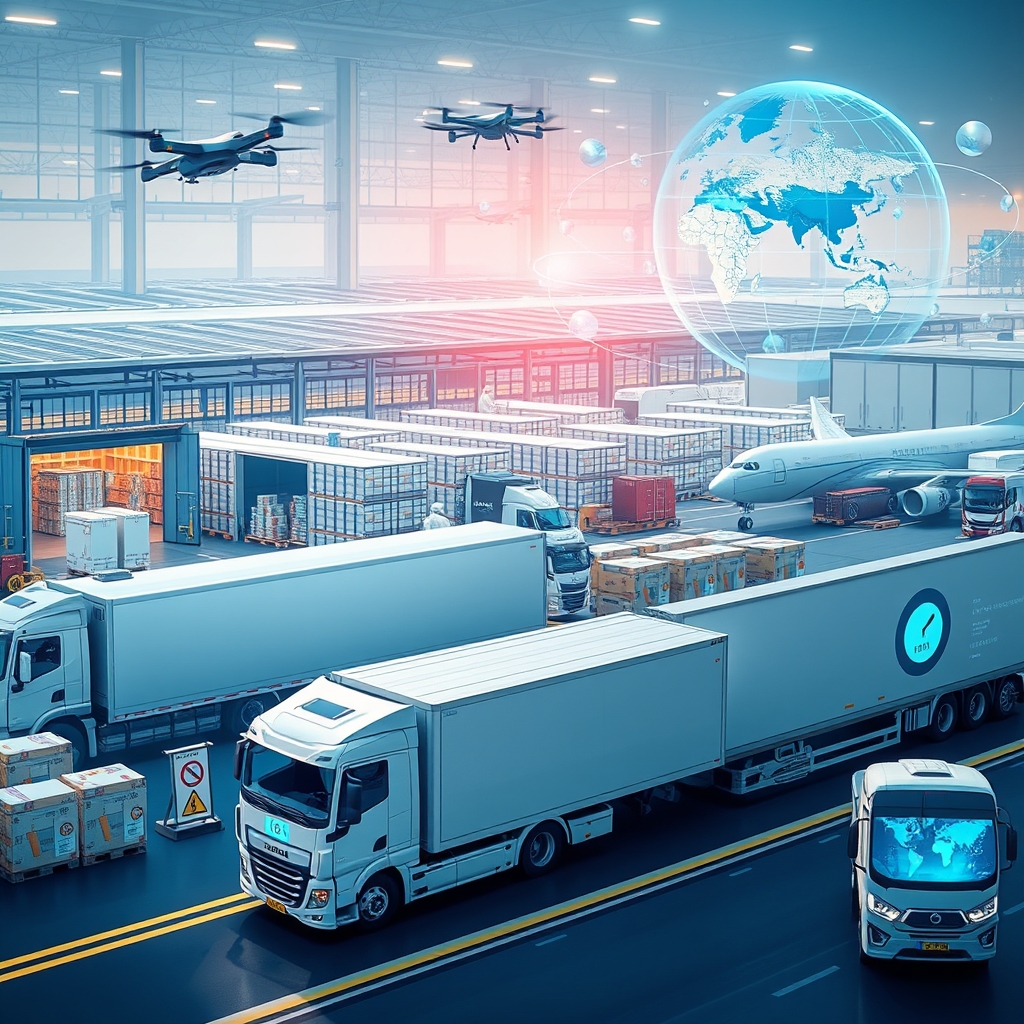
In an era where global trade transcends borders with unprecedented speed and scale, the integrity of temperature-sensitive goods has emerged as a cornerstone of modern logistics. From life-saving pharmaceuticals to perishable food products, the demand for seamless cold chain logistics has never been more critical. Businesses operating in the export-import ecosystem are increasingly recognizing that maintaining product quality during transit is not just a logistical challenge but a strategic imperative that directly impacts brand reputation, regulatory compliance, and customer trust.
The Unseen Complexities of Cold Chain Logistics
Cold chain logistics is far more than simply keeping products cold. It is a meticulously orchestrated process that involves temperature-controlled storage, transportation, and monitoring across every stage of the supply chain. Unlike conventional freight forwarding, where delays or minor temperature fluctuations might be tolerable, cold chain logistics demands precision. A single breach in the temperature-controlled environment can compromise the efficacy of vaccines, spoil fresh produce, or render high-value biotech products unusable. This level of complexity requires specialized infrastructure, advanced technology, and a deep understanding of regulatory requirements in different markets.
For instance, pharmaceutical companies transporting COVID-19 vaccines faced an unprecedented challenge: ensuring that ultra-low temperatures were maintained from manufacturing plants to remote distribution centers. Similarly, food exporters dealing with fresh seafood or dairy products must navigate varying climatic conditions, customs inspections, and last-mile delivery constraints without breaking the cold chain. These scenarios underscore the need for logistics providers to invest in state-of-the-art refrigerated containers, real-time temperature monitoring systems, and contingency plans for unforeseen disruptions.
The Role of Technology in Cold Chain Resilience
The integration of digital solutions has revolutionized cold chain logistics, transforming it from a reactive process to a proactive, data-driven operation. IoT-enabled sensors now provide real-time visibility into temperature, humidity, and location, allowing logistics managers to intervene immediately if deviations occur. Blockchain technology further enhances transparency by creating an immutable record of the product’s journey, which is particularly valuable for compliance audits and dispute resolution.
Artificial intelligence (AI) is another game-changer, enabling predictive analytics to anticipate potential disruptions before they occur. For example, AI algorithms can analyze historical weather patterns, traffic data, and port congestion to optimize routing and minimize transit times. Machine learning models can also predict equipment failures, such as refrigeration unit malfunctions, allowing for preemptive maintenance. These technological advancements not only reduce the risk of product spoilage but also enhance operational efficiency, reducing costs and improving service reliability.
Navigating Regulatory and Compliance Challenges
One of the most daunting aspects of cold chain logistics is navigating the labyrinth of international regulations governing the transportation of temperature-sensitive goods. Different countries have varying standards for food safety, pharmaceutical handling, and environmental controls, which can create significant hurdles for exporters and importers. For example, the European Union’s Good Distribution Practice (GDP) guidelines mandate strict temperature controls for pharmaceutical products, while the U.S. Food and Drug Administration (FDA) enforces rigorous standards for food imports under the Food Safety Modernization Act (FSMA).
Failure to comply with these regulations can result in costly delays, fines, or even the rejection of shipments at the border. This is where the expertise of third-party logistics (3PL) providers becomes invaluable. By leveraging their knowledge of local regulations and established relationships with customs authorities, 3PLs can streamline the compliance process, ensuring that shipments meet all necessary requirements before they reach their destination. Additionally, they can provide documentation and certification services, such as Hazard Analysis Critical Control Points (HACCP) for food products or Good Manufacturing Practice (GMP) for pharmaceuticals, which are often prerequisites for market entry.
The Last Mile: Where Cold Chain Logistics Meets Customer Expectations
While much of the focus in cold chain logistics is on long-haul transportation, the last mile is where the true test of resilience occurs. Urban congestion, unpredictable weather, and the need for rapid delivery windows can all threaten the integrity of temperature-sensitive goods. E-commerce has further complicated this challenge, as consumers now expect fresh groceries, meal kits, and even pharmaceuticals to be delivered to their doorsteps within hours, all while maintaining the cold chain.
Innovations in last-mile delivery are addressing these challenges head-on. Electric refrigerated vans, drone deliveries, and micro-fulfillment centers equipped with temperature-controlled storage are becoming increasingly common in urban areas. Companies are also experimenting with dynamic routing algorithms that optimize delivery sequences based on real-time traffic data and temperature requirements. For example, a delivery van carrying both frozen and chilled goods might prioritize the frozen items first to minimize the time they spend outside a controlled environment.
The Economic and Environmental Imperative of Sustainable Cold Chain Solutions
As the demand for cold chain logistics grows, so too does its environmental footprint. Refrigerated transportation is energy-intensive, and the reliance on fossil fuels contributes to greenhouse gas emissions. However, the industry is making strides toward sustainability by adopting eco-friendly refrigerants, optimizing routes to reduce fuel consumption, and investing in renewable energy sources for warehouses and distribution centers.
For example, some logistics providers are exploring the use of solar-powered refrigeration units for trucks and containers, while others are experimenting with hydrogen fuel cells to power their fleets. Additionally, the shift toward circular economy principles—such as reusable packaging and reverse logistics for temperature-controlled containers—is helping to reduce waste and lower costs. These sustainable practices not only align with global climate goals but also resonate with environmentally conscious consumers and businesses, creating a competitive advantage in the marketplace.
The future of cold chain logistics lies in its ability to adapt to the evolving demands of global trade while maintaining the highest standards of product integrity. As technology continues to advance and regulatory landscapes shift, businesses that prioritize innovation, compliance, and sustainability will be best positioned to thrive in this complex and dynamic environment. The stakes are high, but so are the rewards for those who can master the art of keeping goods cold, safe, and secure from origin to destination. In a world where the movement of temperature-sensitive products underpins industries as diverse as healthcare, food, and biotechnology, cold chain logistics is not just a logistical function—it is the lifeline of modern commerce.