
The Strategic Role of Cold Chain Logistics in Ensuring Food Security and Pharmaceutical Integrity
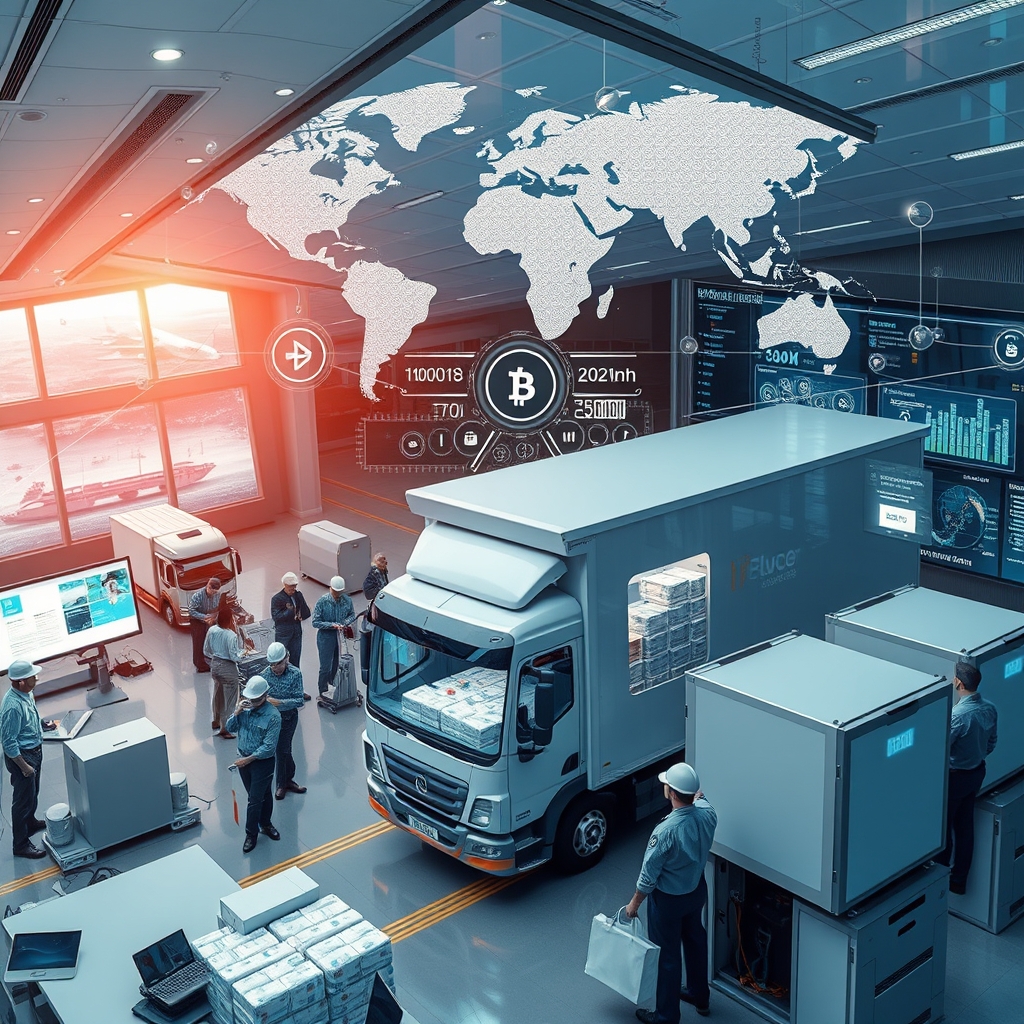
In an era where global trade transcends borders with unprecedented speed and scale, the integrity of perishable goods has emerged as a cornerstone of modern logistics. Cold chain logistics, a specialized segment of supply chain solutions, plays a pivotal role in maintaining the quality and safety of temperature-sensitive products, from fresh produce to life-saving pharmaceuticals. As consumer expectations evolve and regulatory frameworks tighten, the demand for robust cold chain infrastructure has never been more critical. This intricate dance of temperature control, real-time monitoring, and seamless transportation is not just about moving goods—it’s about preserving trust, ensuring health, and sustaining economies.
The Foundation of Cold Chain Logistics
At its core, cold chain logistics is a temperature-controlled supply chain that ensures products remain within a specified temperature range from production to consumption. This process involves a series of interconnected steps, including refrigerated storage, specialized transportation, and advanced monitoring systems. Unlike traditional logistics, where goods can withstand minor temperature fluctuations, cold chain logistics demands precision. A single lapse in temperature control can compromise the efficacy of vaccines, spoil perishable foods, or render pharmaceuticals ineffective, leading to significant financial losses and, more importantly, public health risks.
The global cold chain market has witnessed exponential growth, driven by the rising demand for fresh food, the expansion of e-commerce, and the increasing complexity of pharmaceutical supply chains. According to recent industry reports, the cold chain logistics market is projected to reach over $400 billion by 2027, underscoring its strategic importance in global trade. This growth is further fueled by the proliferation of biologic drugs, which require ultra-low temperatures for storage and transportation, and the globalization of food supply chains, where produce travels thousands of miles before reaching consumers.
Challenges in Cold Chain Management
Despite its critical role, cold chain logistics is fraught with challenges that test the resilience of even the most sophisticated supply chain solutions. One of the primary hurdles is maintaining temperature consistency across diverse geographies and transportation modes. For instance, a shipment of vaccines may traverse multiple climates, from the freezing temperatures of a high-altitude airport to the sweltering heat of a tropical port. Each transition introduces the risk of temperature excursions, which can compromise the integrity of the products.
Another significant challenge is the lack of standardized infrastructure, particularly in emerging markets. While developed regions boast state-of-the-art refrigerated warehouses and transportation networks, many developing countries struggle with inadequate cold storage facilities and unreliable power supplies. This disparity creates bottlenecks in the global cold chain, limiting access to essential goods and exacerbating food insecurity in vulnerable regions.
Regulatory compliance adds another layer of complexity to cold chain logistics. Different countries have varying standards for temperature control, documentation, and quality assurance. For example, the European Union’s Good Distribution Practice (GDP) guidelines mandate strict temperature monitoring and record-keeping for pharmaceutical products, while the U.S. Food and Drug Administration (FDA) enforces rigorous protocols for food safety. Navigating these regulatory landscapes requires meticulous planning, advanced technology, and a deep understanding of local and international trade compliance.
Technology as the Game-Changer
In response to these challenges, the cold chain logistics industry has embraced technological innovations to enhance efficiency, transparency, and reliability. One of the most transformative advancements is the integration of Internet of Things (IoT) devices, which enable real-time monitoring of temperature, humidity, and other critical parameters. These sensors transmit data to centralized platforms, allowing logistics managers to track shipments in real-time and intervene immediately if anomalies are detected. This level of visibility not only mitigates risks but also provides valuable insights for optimizing routes, reducing energy consumption, and improving overall supply chain agility.
Blockchain technology is another game-changer in cold chain logistics. By creating an immutable ledger of transactions, blockchain ensures the traceability and authenticity of products throughout the supply chain. This is particularly valuable in the pharmaceutical industry, where counterfeit drugs pose a significant threat to public health. With blockchain, stakeholders can verify the provenance of a product, confirm its storage conditions, and ensure compliance with regulatory standards, thereby enhancing trust and accountability.
Automation and artificial intelligence (AI) are also revolutionizing cold chain logistics. AI-powered predictive analytics can forecast demand patterns, optimize inventory levels, and identify potential disruptions before they occur. Automated warehouses equipped with robotic systems can handle temperature-sensitive goods with precision, reducing human error and improving operational efficiency. These technologies not only streamline processes but also enable logistics providers to offer more flexible and responsive solutions to their clients.
The Human Element in Cold Chain Logistics
While technology plays a crucial role in modern cold chain logistics, the human element remains indispensable. Skilled professionals, from refrigeration engineers to logistics managers, are the backbone of this industry. Their expertise in handling temperature-sensitive products, troubleshooting technical issues, and navigating regulatory complexities ensures the smooth flow of goods across borders. Moreover, ongoing training and education are essential to keep pace with evolving technologies and industry best practices.
Collaboration among stakeholders is equally vital. Cold chain logistics involves a diverse ecosystem of producers, manufacturers, freight forwarders, customs brokers, and retailers. Effective communication and coordination among these parties are critical to overcoming challenges such as last-mile delivery, customs clearance, and trade compliance. For instance, a delay in customs clearance can jeopardize the integrity of perishable goods, highlighting the need for seamless collaboration between logistics providers and regulatory authorities.
Sustainability in Cold Chain Logistics
As the world grapples with climate change, sustainability has become a key consideration in cold chain logistics. The energy-intensive nature of refrigeration and transportation contributes significantly to carbon emissions, prompting the industry to explore eco-friendly alternatives. Innovations such as solar-powered cold storage units, electric refrigerated trucks, and bio-based refrigerants are gaining traction as viable solutions to reduce the environmental footprint of cold chain logistics.
Moreover, optimizing routes and consolidating shipments can minimize fuel consumption and lower emissions. For example, leveraging data analytics to identify the most efficient transportation routes can reduce the number of trips required, thereby cutting costs and environmental impact. Companies are also investing in renewable energy sources to power their warehouses and distribution centers, aligning their operations with global sustainability goals.
The strategic importance of cold chain logistics extends far beyond the confines of supply chain management. It is a lifeline for global food security, a guardian of public health, and a catalyst for economic growth. As the world becomes increasingly interconnected, the ability to transport temperature-sensitive goods safely and efficiently will determine the resilience of global trade. By embracing technological advancements, fostering collaboration, and prioritizing sustainability, the cold chain logistics industry can rise to the challenges of the 21st century, ensuring that perishable goods reach their destinations in optimal condition, every time. The future of global trade hinges on the integrity of these invisible yet indispensable supply chains, where every degree matters and every second counts.