The Strategic Synergy of Cold Chain Logistics and E-Commerce: Powering the Future of Global Trade
The intersection of cold chain logistics and e-commerce represents one of the most dynamic and transformative developments in modern global trade. As consumer expectations evolve and demand for perishable goods—ranging from fresh produce to pharmaceuticals—continues to surge, businesses are compelled to rethink their supply chain strategies. The fusion of these two domains is not merely a response to market trends but a strategic imperative that ensures product integrity, regulatory compliance, and customer satisfaction across borders.
The Critical Role of Cold Chain Logistics in E-Commerce
Cold chain logistics refers to the temperature-controlled supply chain that maintains the quality and safety of perishable products throughout their journey from production to consumption. This specialized logistics framework is essential for industries such as food and beverage, pharmaceuticals, and biotechnology, where even minor temperature fluctuations can compromise product efficacy or safety. In the context of e-commerce, cold chain logistics becomes even more critical as it bridges the gap between digital transactions and physical delivery, ensuring that customers receive goods in optimal condition, regardless of their location.
The rise of direct-to-consumer (DTC) models in e-commerce has further amplified the need for robust cold chain solutions. Consumers now expect the same level of freshness and quality they would find in a local grocery store, even when ordering from halfway across the world. This shift has prompted logistics providers to innovate, leveraging advanced technologies such as IoT-enabled sensors, real-time temperature monitoring, and predictive analytics to maintain the integrity of perishable shipments. These innovations not only enhance operational efficiency but also build consumer trust, a cornerstone of success in the competitive e-commerce landscape.
Overcoming the Challenges of Global Cold Chain Logistics
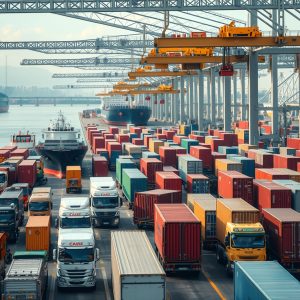
Despite its advantages, cold chain logistics in e-commerce is fraught with challenges. One of the most significant hurdles is the complexity of managing temperature-sensitive shipments across multiple modes of transportation, including air, sea, and land. Each leg of the journey presents unique risks, from delays in customs clearance to fluctuations in environmental conditions. For instance, a shipment of vaccines may require ultra-low temperatures during air transport but face challenges during last-mile delivery in regions with inadequate infrastructure.
Another critical challenge is regulatory compliance. Different countries have varying standards for the storage, handling, and transportation of perishable goods. Navigating these regulations requires a deep understanding of trade compliance and customs clearance processes. Logistics providers must work closely with regulatory bodies to ensure that shipments meet all legal requirements, avoiding costly delays or penalties. This is where the expertise of freight forwarders and third-party logistics (3PL) providers becomes invaluable, as they possess the knowledge and resources to streamline cross-border movements while adhering to international trade laws.
The Role of Technology in Enhancing Cold Chain Efficiency
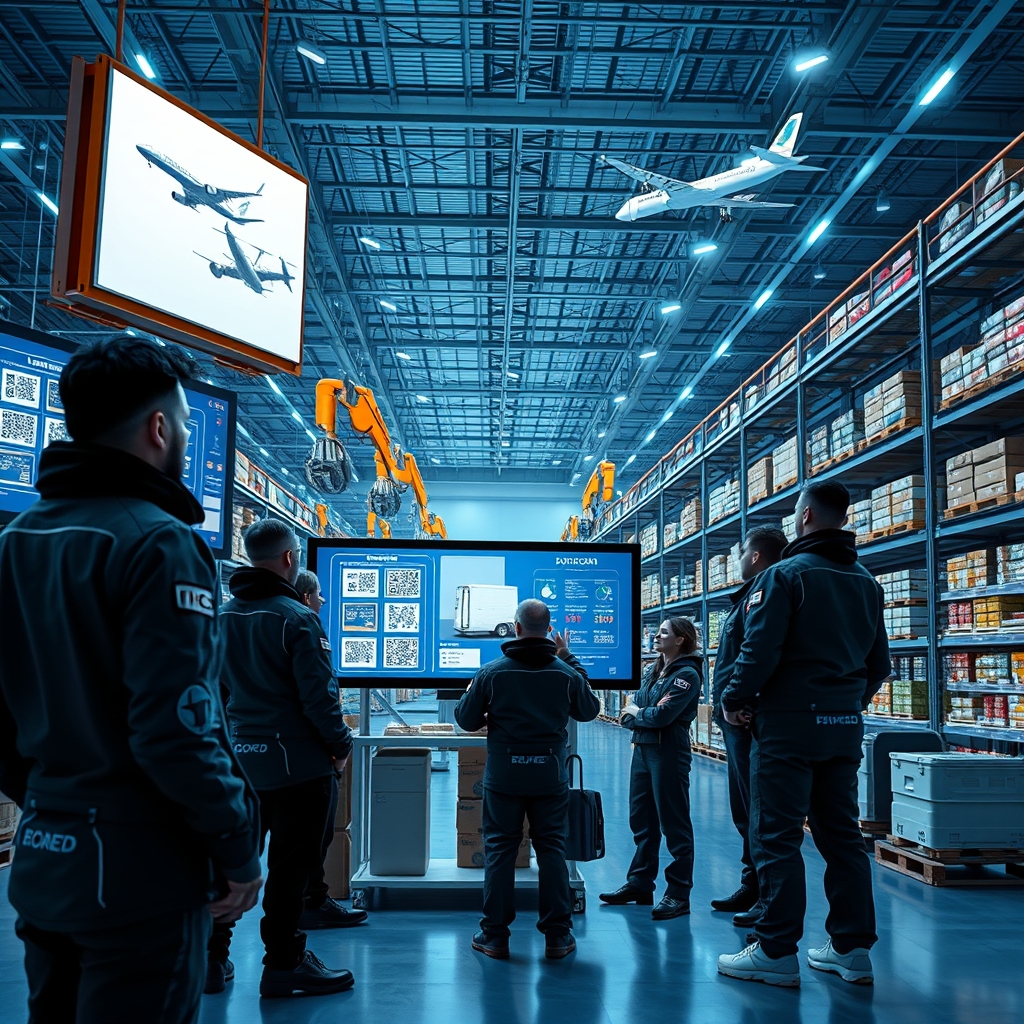
Technology is the linchpin of modern cold chain logistics, enabling businesses to overcome the challenges of global e-commerce. IoT devices, for example, provide real-time visibility into the condition of shipments, allowing logistics teams to monitor temperature, humidity, and other critical parameters. If a deviation is detected, automated alerts can trigger corrective actions, such as rerouting the shipment or adjusting storage conditions, to prevent spoilage.
Artificial intelligence (AI) and machine learning (ML) are also transforming cold chain logistics by optimizing route planning and demand forecasting. AI-driven algorithms can analyze historical data to predict potential disruptions, such as weather-related delays or customs bottlenecks, and suggest alternative routes or strategies. This level of predictive intelligence not only reduces operational costs but also enhances the reliability of e-commerce deliveries, a key factor in customer retention.
Sustainability: The Next Frontier in Cold Chain Logistics
As the demand for cold chain logistics grows, so does the need for sustainable practices. Traditional refrigeration methods, such as diesel-powered cooling units, contribute significantly to carbon emissions, posing a challenge for businesses committed to reducing their environmental footprint. To address this, logistics providers are exploring eco-friendly alternatives, such as electric refrigeration units, solar-powered warehouses, and carbon-neutral shipping options. These initiatives not only align with global sustainability goals but also resonate with environmentally conscious consumers, who increasingly prioritize brands that demonstrate a commitment to the planet.
Moreover, the adoption of circular economy principles—such as reusable packaging and reverse logistics for returned goods—is gaining traction in the cold chain sector. By minimizing waste and maximizing resource efficiency, businesses can reduce costs while contributing to a more sustainable supply chain. This holistic approach to logistics is not just a trend but a necessity for companies looking to future-proof their operations in an era of heightened environmental awareness.
The Future of Cold Chain Logistics in E-Commerce
The future of cold chain logistics in e-commerce is poised for further innovation, driven by advancements in automation, blockchain, and autonomous delivery systems. Blockchain technology, for instance, offers a secure and transparent way to track the provenance of perishable goods, ensuring authenticity and compliance throughout the supply chain. Meanwhile, autonomous vehicles and drones are being tested for last-mile delivery in remote or urban areas, promising faster and more efficient distribution of temperature-sensitive products.
Collaboration will also play a pivotal role in shaping the future of cold chain logistics. As e-commerce continues to blur geographical boundaries, logistics providers, retailers, and technology companies must work together to create integrated solutions that address the unique challenges of global trade. By fostering partnerships and sharing expertise, the industry can develop scalable and resilient supply chain networks capable of meeting the demands of a rapidly evolving market.
The synergy between cold chain logistics and e-commerce is more than a convergence of technologies and processes; it is a testament to the adaptability and resilience of global trade. As businesses navigate the complexities of international logistics, the ability to deliver perishable goods safely and efficiently will remain a key differentiator. Those who embrace innovation, prioritize sustainability, and invest in robust supply chain solutions will not only meet the demands of today’s consumers but also shape the future of commerce itself. The journey is complex, but the rewards—enhanced customer loyalty, operational efficiency, and global reach—are well worth the effort.