The Strategic Role of Land Transportation in Global Logistics
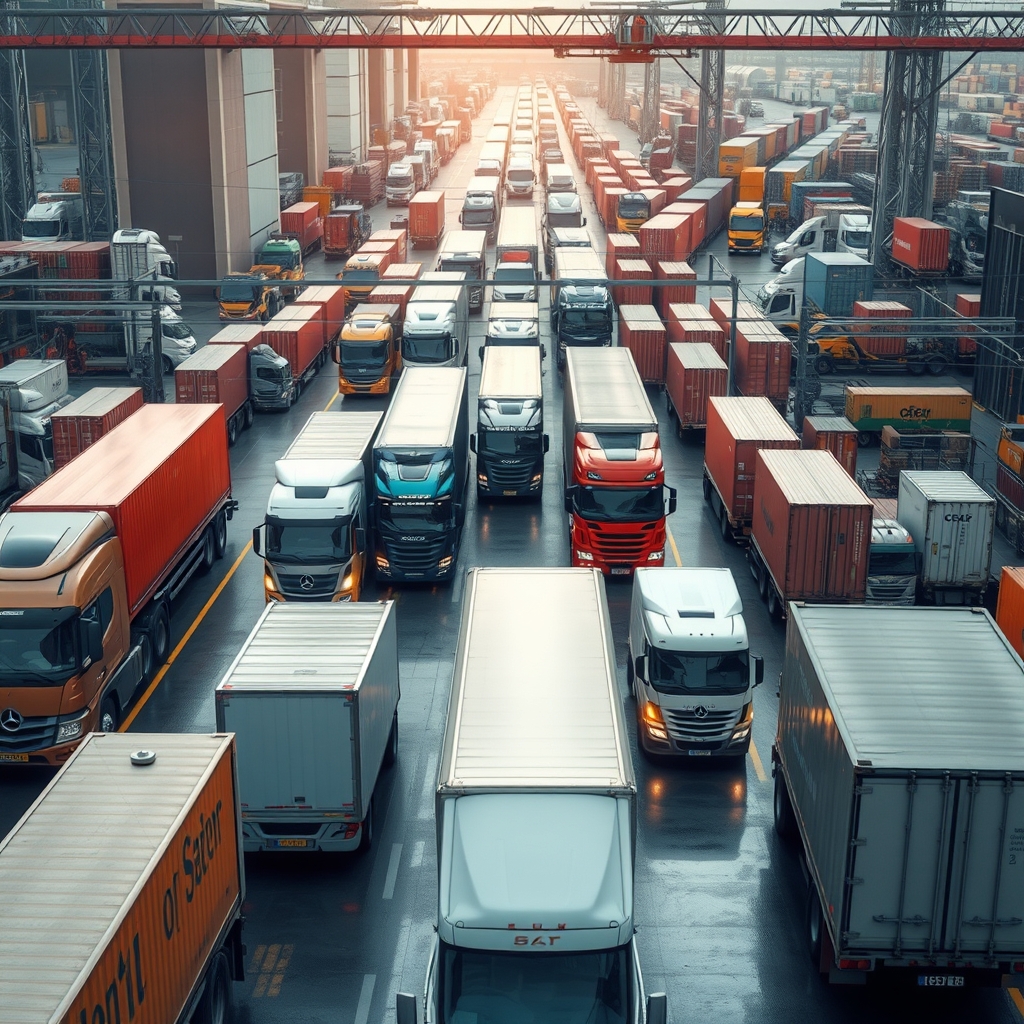
Land transportation plays a pivotal role in the global logistics landscape, serving as the backbone of supply chain solutions. Whether it’s through trucks, trains, or other ground-based vehicles, land transport facilitates the movement of goods from manufacturers to consumers, ensuring that products reach their destinations efficiently and reliably.
The Importance of Land Transportation in Supply Chain Solutions
In the complex web of global logistics, land transportation is indispensable. It connects various modes of transport, such as maritime and air cargo services, to create a seamless flow of goods. Land transport is particularly crucial in the last mile delivery phase, where goods are transported from distribution centers to the final destination, such as a customer’s doorstep.
Efficiency and Flexibility
One of the key advantages of land transportation is its efficiency and flexibility. Trucks, for instance, can navigate through urban areas, rural landscapes, and everything in between, making them versatile for various types of cargo. This flexibility is essential for meeting the diverse needs of different industries, from retail to manufacturing.
Cost-Effectiveness
Land transportation is often more cost-effective than other modes of transport, especially for short to medium distances. This cost-efficiency is a significant factor for businesses looking to optimize their logistics management and reduce operational expenses. By leveraging land transport, companies can achieve a balance between speed and cost, ensuring that their supply chain solutions are both efficient and economical.
Challenges and Innovations in Land Transportation
Despite its advantages, land transportation faces several challenges, including traffic congestion, regulatory hurdles, and the need for sustainable practices. However, innovations in fleet management and technology are addressing these issues, making land transport more efficient and environmentally friendly.
Fleet Management
Advanced fleet management systems are revolutionizing land transportation. These systems use real-time data and analytics to optimize routes, monitor vehicle performance, and ensure timely deliveries. By integrating GPS tracking, telematics, and other technologies, fleet management enhances the overall efficiency of land transport, reducing delays and improving customer satisfaction.
Sustainable Practices
Sustainability is a growing concern in global logistics, and land transportation is no exception. The adoption of electric and hybrid vehicles, along with the implementation of eco-friendly practices, is helping to reduce the carbon footprint of land transport. These initiatives not only contribute to environmental conservation but also align with the increasing demand for sustainable supply chain solutions.
As the global logistics landscape continues to evolve, land transportation will remain a cornerstone of supply chain solutions. Its efficiency, flexibility, and cost-effectiveness make it an essential component of modern logistics management. By embracing innovations and sustainable practices, land transport can overcome its challenges and continue to play a strategic role in ensuring the seamless flow of goods across the globe. The future of land transportation is bright, and its impact on global logistics will only grow stronger with time.