Navigating the Future: How Innovation is Reshaping Global Logistics and Supply Chains
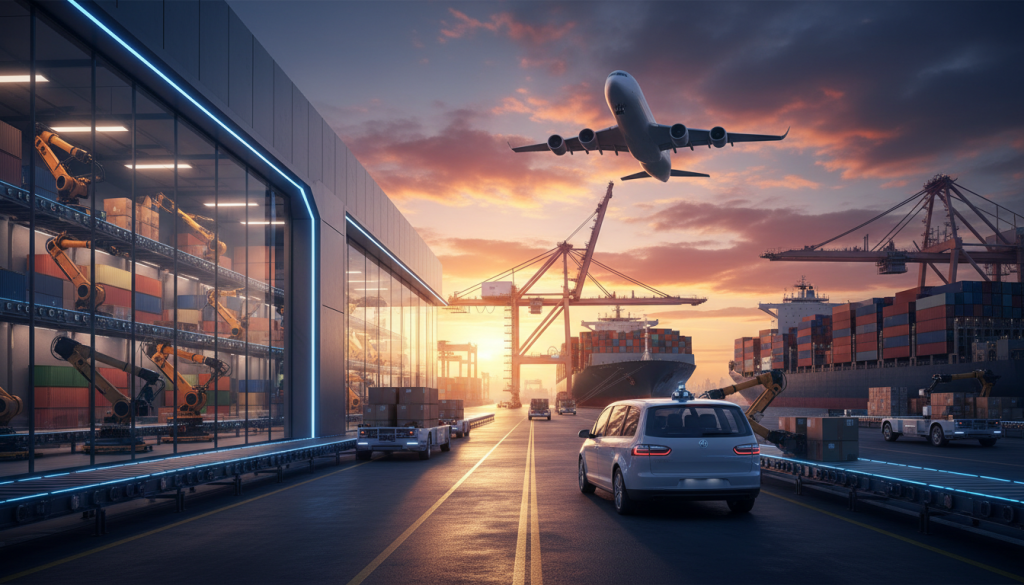
The landscape of international trade is undergoing a seismic shift, driven by rapidly evolving consumer expectations and unprecedented technological advancements. In today’s hyper-connected world, the mere movement of goods from point A to point B is no longer sufficient. Businesses are engaged in a complex export import business environment where speed, transparency, and reliability are paramount. This transformation has elevated logistics management from a behind-the-scenes operational necessity to a critical driver of competitive advantage. As global markets become increasingly integrated, the demand for sophisticated supply chain solutions has never been higher, forcing industry leaders to rethink their traditional distribution network strategies and embrace a more agile, resilient approach to global logistics.
The Surge of E Commerce Logistics and the Last Mile Challenge
The explosive growth of online retail has fundamentally rewritten the rules of transportation services. E commerce logistics is no longer just about moving bulk pallets; it is about managing millions of individual parcels with pinpoint accuracy. This paradigm shift has placed immense pressure on the final leg of the supply chain, commonly known as last mile delivery. Consumers now expect lightning-fast shipping times, real-time tracking, and flexible delivery options. To meet these demands, companies are decentralizing their operations, moving inventory closer to urban centers through micro-fulfillment centers. This evolution requires a highly synchronized orchestration of land transportation and dynamic routing algorithms to ensure that packages reach doorsteps efficiently, minimizing both transit times and carbon footprints.
Furthermore, effective fleet management is essential in this high-stakes environment. Modern delivery fleets are increasingly equipped with telematics and Internet of Things (IoT) sensors that monitor vehicle performance, driver behavior, and fuel consumption. By leveraging this data, logistics providers can optimize routes on the fly, avoiding traffic bottlenecks and reducing operational costs. The seamless integration of these technologies ensures that the relentless pace of e-commerce does not compromise the reliability of the overall distribution network.
Mastering Temperature Control: The Rise of Cold Chain Logistics
While standard cargo shipping deals with durable goods, an entirely different level of precision is required for perishable and temperature-sensitive items. Cold chain logistics has emerged as a vital component of modern international trade, particularly for the pharmaceutical, biotechnology, and agricultural sectors. The global distribution of vaccines, life-saving medications, and fresh produce relies entirely on an unbroken chain of refrigerated maritime transport, air cargo services, and specialized land transportation. A single temperature excursion during transit can render a shipment completely worthless, resulting in millions of dollars in losses and potentially endangering lives.
To combat these risks, supply chain solutions now incorporate advanced active and passive cooling technologies. Smart containers equipped with real-time monitoring devices transmit continuous data on internal temperatures, humidity levels, and GPS locations. If a deviation occurs, automated alerts allow freight forwarding partners to intervene immediately, rerouting shipments or adjusting refrigeration units remotely. This meticulous level of oversight guarantees that highly sensitive cargo arrives at its destination in pristine condition, maintaining the integrity of the global food and health supply chains.
Technological Innovations in Warehouse Management
At the heart of these intricate transportation networks lies the modern warehouse. Traditional storage facilities have been transformed into high-tech hubs of automation and efficiency. Modern warehouse management systems utilize artificial intelligence and machine learning to forecast demand, optimize inventory placement, and direct autonomous mobile robots that assist human workers in picking and packing operations. By streamlining these internal processes, facilities can process a higher volume of orders with remarkable accuracy, acting as the crucial linchpin between long-haul cargo shipping and localized delivery operations.
Strategic Advantages of Third Party Logistics
Navigating the complexities of global logistics is a daunting task for any single enterprise. As a result, businesses are increasingly turning to third party logistics providers to manage their supply chains. A proficient partner brings a wealth of expertise, infrastructure, and scalable resources that allow companies to focus on their core competencies. From negotiating favorable rates for maritime transport to coordinating complex air cargo services, these specialized firms possess the industry relationships necessary to optimize freight forwarding operations. Their ability to consolidate shipments and leverage shared warehousing space provides significant cost savings and operational flexibility.
Navigating Trade Compliance and Customs Clearance
One of the most challenging aspects of the export import business is dealing with the myriad of regulations governing cross-border trade. Trade compliance is a constantly moving target, with tariffs, embargoes, and documentation requirements varying drastically from one jurisdiction to another. Delays at the border can completely derail a finely tuned supply chain. Therefore, expert customs clearance services are indispensable. Experienced brokers ensure that all paperwork is meticulously prepared, duties are accurately calculated, and regulatory requirements are strictly adhered to, facilitating a frictionless flow of goods across international borders.
The intricate dance of moving products across oceans, borders, and neighborhoods is a testament to human ingenuity and technological progress. As consumer demands continue to escalate and global markets become even more tightly woven together, the infrastructure supporting these movements will only grow more sophisticated. Embracing these advanced methodologies and leaning into strategic partnerships will be the defining factor for enterprises aiming to thrive. The organizations that view their supply networks not merely as cost centers, but as dynamic, value-generating ecosystems, will ultimately lead the charge into the next era of global commerce.