The Hidden Choreography: How Intelligent Route Planning and Predictive Freight Tracking Are Crafting a Seamless Logistics Experience
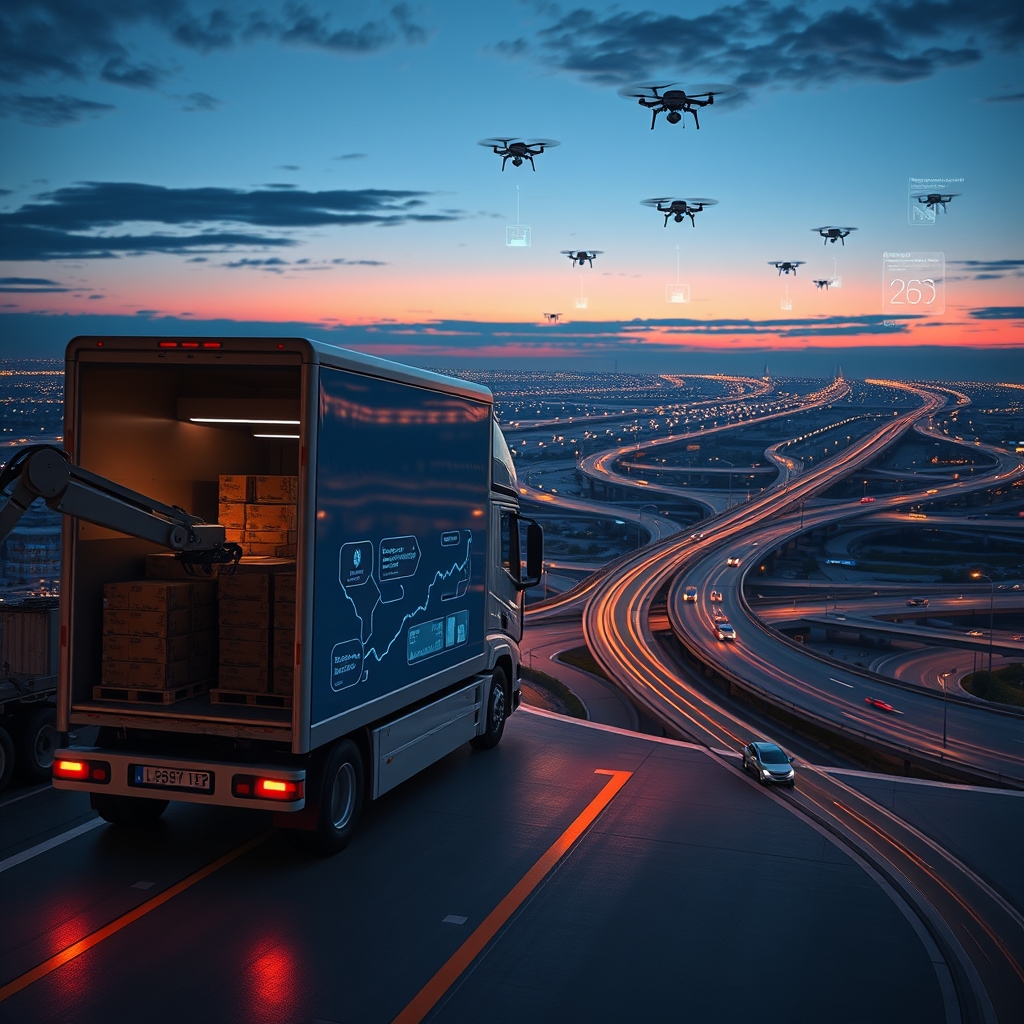
In the vast, interconnected world of modern logistics, every package that arrives on time is the result of an intricate dance—one where data, technology, and human ingenuity move in perfect harmony. Behind the scenes, systems are constantly recalibrating, predicting, and adapting to ensure that goods flow effortlessly from origin to destination. At the heart of this seamless experience lies two critical innovations: intelligent route planning and predictive freight tracking. Together, they are not just optimizing logistics; they are redefining what it means to move goods in the 21st century.
The Alchemy of Intelligent Route Planning
Imagine a world where delivery trucks never idle in traffic, where fuel consumption is minimized, and where drivers always take the most efficient path—even as conditions change in real time. This is no longer a futuristic fantasy; it is the reality shaped by intelligent route planning. By leveraging advanced algorithms, machine learning, and real-time traffic data, logistics providers can dynamically adjust routes to avoid congestion, road closures, or unexpected delays. The result? Faster deliveries, lower operational costs, and a reduced carbon footprint.
But the true magic of intelligent route planning goes beyond mere efficiency. It enables logistics networks to become adaptive, responding to disruptions with agility. Whether it’s a sudden weather event, a last-minute order change, or an unexpected surge in demand, these systems recalculate paths on the fly, ensuring that deliveries remain on track. This level of responsiveness is what transforms a standard logistics operation into a seamless logistics experience—one where delays are the exception, not the rule.
The Role of AI in Predictive Freight Tracking
While intelligent route planning ensures that goods move efficiently, predictive freight tracking provides the visibility needed to anticipate challenges before they arise. Traditional tracking systems offer a retrospective view—where a shipment has been, but not where it’s headed. Predictive tracking, however, flips this paradigm by using historical data, weather patterns, traffic trends, and even geopolitical events to forecast potential delays or bottlenecks.
For businesses, this means no more guessing games. A retailer can proactively notify a customer if a shipment is likely to be delayed, allowing them to adjust expectations or explore alternative solutions. For logistics providers, it means fewer last-minute fire drills and more strategic decision-making. The ability to predict disruptions before they occur doesn’t just improve efficiency—it builds trust, turning logistics from a behind-the-scenes function into a customer-focused distribution powerhouse.
The Ripple Effect on Sustainable Delivery Networks
The benefits of intelligent route planning and predictive freight tracking extend far beyond speed and reliability. They are also key drivers of sustainable delivery networks. By optimizing routes, logistics providers can significantly reduce fuel consumption and emissions, aligning with global efforts to combat climate change. Predictive tracking further enhances sustainability by minimizing unnecessary detours or idle time, ensuring that every mile driven is purposeful.
Moreover, these technologies enable logistics companies to adopt hyper-local transport solutions, reducing the need for long-haul shipments by leveraging regional distribution centers. This not only cuts down on transportation costs but also supports local economies and reduces the environmental impact of logistics operations. In an era where consumers and regulators alike are demanding greener practices, these innovations are not just advantageous—they are essential.
Enhancing Transparency and Trust
One of the most transformative aspects of modern logistics technology is its ability to foster enhanced handling transparency. Customers today expect more than just a tracking number; they want real-time updates, proof of delivery, and assurance that their goods are being handled with care. Predictive freight tracking and intelligent route planning provide this transparency by offering granular visibility into every stage of the shipment’s journey.
For example, a pharmaceutical company shipping temperature-sensitive vaccines can monitor not just the location of their shipment, but also the environmental conditions inside the vehicle. If a refrigeration unit fails, the system can alert the driver and reroute the shipment to the nearest facility for intervention. This level of detail doesn’t just prevent losses—it builds confidence, turning logistics into a competitive advantage rather than a mere necessity.
The Future of Frictionless Logistics Interaction
As logistics technology continues to evolve, the line between digital and physical worlds is blurring. The rise of automated shipment fulfillment and tech-enabled fleet monitoring is further streamlining operations, reducing human error, and accelerating delivery times. But perhaps the most exciting development is the shift toward frictionless logistics interaction—where systems, humans, and machines communicate seamlessly, creating a supply chain that is as intuitive as it is efficient.
Consider a scenario where a customer’s order is automatically routed to the nearest fulfillment center, packed by robots, loaded onto a self-driving delivery vehicle, and tracked in real time—all without a single human intervention. While this may sound like science fiction, it is rapidly becoming a reality. Companies that embrace these technologies are not just future-proofing their operations; they are setting a new standard for what customers should expect from logistics providers.
The logistics industry is no longer just about moving goods from point A to point B. It is about crafting an experience—one that is fast, reliable, transparent, and sustainable. Intelligent route planning and predictive freight tracking are the invisible threads weaving this experience together, turning the chaos of global supply chains into a symphony of precision. As these technologies continue to advance, the possibilities are limitless, and the future of logistics has never looked brighter. The question is no longer whether these innovations will reshape the industry, but how quickly businesses can adapt to stay ahead of the curve.