The Evolution of Smart Logistics: How Real-Time Data and Adaptive Systems Are Crafting a Seamless Cargo Journey

The logistics industry has long been the silent engine of global commerce, but today, it’s undergoing a transformation that’s anything but quiet. The rise of real-time data analytics, artificial intelligence, and adaptive systems is reshaping how goods move from point A to point B, creating a seamless logistics experience that prioritizes efficiency, transparency, and customer satisfaction. At the heart of this evolution lies a simple yet powerful idea: logistics should not just work—it should anticipate, adapt, and elevate every step of the journey.
The Power of Real-Time Transit Visibility
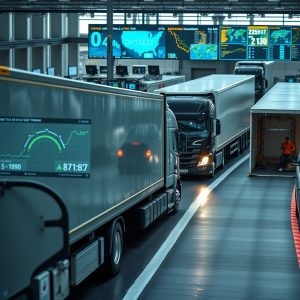
Gone are the days when businesses and consumers were left in the dark about the status of their shipments. Real-time transit visibility has emerged as a game-changer, offering a live pulse on cargo movement. Advanced GPS tracking, IoT-enabled sensors, and cloud-based platforms now provide granular insights into location, temperature, humidity, and even potential delays. This level of transparency doesn’t just build trust—it empowers businesses to make proactive decisions, reroute shipments dynamically, and mitigate risks before they escalate.
For example, a pharmaceutical company shipping temperature-sensitive vaccines can now monitor conditions in real time, receiving alerts if thresholds are breached. Similarly, e-commerce giants leverage this visibility to provide customers with accurate delivery windows, reducing frustration and enhancing the overall experience. The result? A logistics network that doesn’t just react but predicts and prevents.
Intelligent Route Planning: The Backbone of Efficiency
Efficiency in logistics has always been about doing more with less—less time, less fuel, fewer resources. Intelligent route planning takes this principle to the next level by leveraging AI and machine learning to optimize paths in real time. Traditional route planning relied on static maps and historical data, but today’s systems factor in live traffic updates, weather conditions, road closures, and even driver behavior to chart the most efficient course.
This isn’t just about saving fuel or reducing delivery times. It’s about creating a scalable transport service that can handle fluctuating demand without compromising performance. For instance, during peak seasons like Black Friday or holiday rushes, intelligent routing ensures that fleets can adapt to sudden spikes in orders, rerouting vehicles to avoid bottlenecks and meet delivery promises. The environmental benefits are equally compelling, as optimized routes translate to lower carbon emissions, aligning with the growing demand for sustainable delivery networks.
Predictive Freight Tracking: The Next Frontier
While real-time visibility provides a snapshot of the present, predictive freight tracking offers a glimpse into the future. By analyzing historical data, weather patterns, traffic trends, and even geopolitical events, predictive algorithms can forecast potential disruptions before they occur. This allows logistics providers to take preemptive action—whether it’s rerouting a shipment to avoid a storm, adjusting inventory levels based on anticipated delays, or notifying customers of potential hiccups in advance.
The impact of predictive tracking extends beyond operational efficiency. It enables a customer-focused distribution model where businesses can set realistic expectations and proactively communicate with end-users. Imagine a scenario where a customer receives a notification not just that their package is out for delivery, but that it’s likely to arrive 30 minutes earlier than expected—thanks to predictive insights. This level of personalization transforms logistics from a behind-the-scenes function into a value-added service that enhances brand loyalty.
Adaptive Last-Mile Delivery: Where Technology Meets Human Touch
The last mile has always been the most complex—and costly—part of the logistics chain. But with adaptive last-mile delivery solutions, businesses are turning this challenge into an opportunity. Dynamic routing, crowd-sourced delivery networks, and autonomous vehicles are just a few of the innovations reshaping how goods reach their final destination. These systems don’t just follow a predefined path; they adapt on the fly, considering factors like customer availability, traffic conditions, and even the size of the delivery window.
Hyper-local transport solutions are also playing a pivotal role, particularly in urban areas where congestion and parking limitations pose significant challenges. By leveraging local couriers, micro-fulfillment centers, and even drones, businesses can ensure faster, more flexible deliveries while reducing their carbon footprint. This approach not only meets the growing demand for same-day or even same-hour delivery but also aligns with the principles of sustainable delivery networks by minimizing unnecessary mileage and emissions.
Enhanced Handling Transparency: Building Trust Through Data
Transparency isn’t just about knowing where a shipment is—it’s about understanding how it’s being handled every step of the way. Enhanced handling transparency is becoming a cornerstone of modern logistics, driven by technologies like blockchain, RFID tagging, and AI-powered quality control. These tools provide an immutable record of a shipment’s journey, from the moment it leaves the warehouse to the instant it arrives at its destination.
For industries like food and pharmaceuticals, where safety and compliance are non-negotiable, this level of transparency is critical. A food distributor, for example, can track the temperature and handling conditions of perishable goods in real time, ensuring they meet regulatory standards. Meanwhile, customers can scan a QR code to see the entire history of their product, from farm to table. This not only builds trust but also creates opportunities for value-added logistics support, such as certifications for organic or ethically sourced goods.
The Future: A Collaborative, Data-Driven Ecosystem
The logistics of tomorrow won’t be defined by siloed operations but by collaborative freight networks where data flows seamlessly between shippers, carriers, and customers. Platforms that integrate real-time tracking, predictive analytics, and adaptive routing will enable a level of coordination that was once unimaginable. Imagine a world where a delay in one part of the supply chain automatically triggers adjustments elsewhere—rerouting shipments, reallocating resources, and keeping everything on track without human intervention.
This vision is already becoming a reality, thanks to advancements in AI, IoT, and cloud computing. Companies that embrace these technologies are not just optimizing their operations—they’re redefining what’s possible in logistics. They’re creating a frictionless logistics interaction where every touchpoint, from order placement to final delivery, is smooth, intuitive, and tailored to the needs of the customer.
As the logistics industry continues to evolve, one thing is clear: the future belongs to those who can harness the power of data, adapt to changing conditions, and put the customer at the center of every decision. The tools and technologies are here—what’s next is the creativity and collaboration to use them in ways that transform not just how we move goods, but how we connect the world.