Architecting the Future: How Digital Innovation and Sustainability are Redefining Global Supply Chains
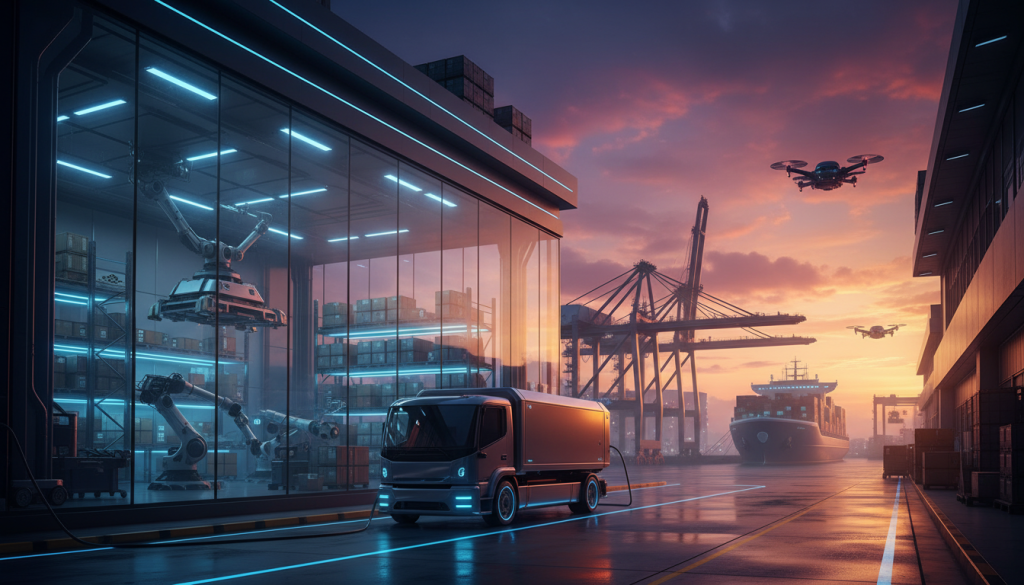
The global marketplace is undergoing a profound transformation. As consumers increasingly expect rapid fulfillment and seamless international transactions, businesses are finding themselves navigating an intricate web of supply and demand. The surge in cross border e commerce has dissolved traditional geographical boundaries, allowing a small boutique in Paris to sell to a customer in Tokyo with the click of a button. However, delivering on this promise requires more than just a sleek website; it demands an underlying infrastructure built for agility and endurance. In recent years, supply chain resilience has shifted from being a corporate buzzword to a critical survival mechanism. Disruptions—whether from geopolitical shifts, natural disasters, or sudden economic fluctuations—have underscored the necessity of building robust networks capable of absorbing shocks and adapting on the fly.
The Backbone of Modern Trade: Digital Logistics and Smart Warehousing
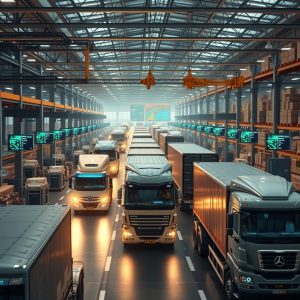
To achieve this level of adaptability, companies are turning to digital logistics. The days of relying on paper trails and siloed communication are rapidly fading. Today, data is the currency that fuels efficient operations. By digitizing the entire lifecycle of a product’s journey, stakeholders gain unprecedented visibility and control. This digital transformation begins at the very source with global sourcing strategies that leverage predictive analytics to identify the most reliable suppliers, mitigating risks before they materialize and ensuring a steady flow of raw materials.
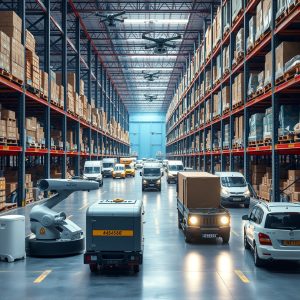
Once goods are manufactured, they enter the realm of smart warehousing. These advanced facilities are a far cry from the dusty storage sheds of the past. Equipped with IoT sensors, autonomous robots, and AI-driven management systems, smart warehouses operate with remarkable precision. Every square inch is utilized through rigorous inventory optimization, ensuring that stock levels are perfectly balanced to meet demand without incurring unnecessary holding costs. When an order is placed, automated picking and packing systems spring into action, drastically reducing human error and accelerating the fulfillment process.
Navigating the Complexities of Global Movement
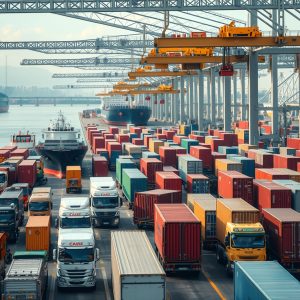
Moving goods across the globe introduces a labyrinth of logistical challenges. Freight forwarding remains a vital component of this journey, acting as the architect of international transport. By coordinating various carriers and negotiating complex regulations, freight forwarders ensure that cargo moves efficiently from origin to destination. This often involves intermodal transportation, where a single shipment seamlessly transitions between ships, trains, and trucks. Utilizing intermodal networks not only cuts down on costs but also significantly reduces the carbon footprint of long-haul transit compared to relying solely on air or road freight.
Overcoming Border Frictions and Specialized Cargo Needs
International trade is heavily reliant on smooth customs clearance. Expert customs brokerage is essential for navigating the ever-changing landscape of tariffs, duties, and compliance regulations. Delays at the border can cascade through the entire supply chain, making the expertise of customs brokers invaluable. Furthermore, specialized shipments require even greater care. For the pharmaceutical and food industries, cold chain management is non-negotiable. Maintaining strict temperature controls from the factory floor to the final destination ensures product efficacy and safety, preventing costly spoilage and protecting public health.
The Final Frontier: Last Mile Delivery and Reverse Logistics
As goods approach their final destination, the focus shifts to the most expensive and complex leg of the journey: last mile delivery. Urban congestion, varying delivery windows, and the sheer volume of individual packages make this a logistical puzzle. To solve it, companies are heavily investing in route optimization software. These dynamic routing algorithms analyze traffic patterns, weather conditions, and delivery density to chart the most efficient paths for drivers, saving both time and fuel.
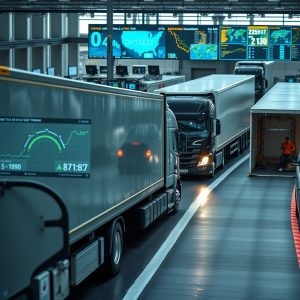
Enhancing this process is the integration of fleet telematics and real time tracking. Fleet managers can monitor vehicle health, driver behavior, and fuel consumption in real time, allowing for proactive maintenance and improved safety. Meanwhile, consumers receive live updates on their smartphones, watching their package inch closer to their doorstep. This transparency builds trust and significantly reduces the rate of missed deliveries, elevating the overall customer experience.
However, the journey does not always end when the package is delivered. The rise of e commerce has brought a corresponding surge in returns, elevating the importance of reverse logistics. Processing returned goods efficiently—whether for restocking, refurbishing, or recycling—is crucial for maintaining profitability and customer satisfaction. A streamlined reverse logistics process turns a potential loss into an opportunity for value recovery and brand loyalty.
Embracing Green Logistics for a Sustainable Future
As the volume of global shipping grows, so does its environmental impact. The industry is currently undergoing a paradigm shift towards green logistics. Consumers and regulators alike are demanding more sustainable practices. This transition involves adopting alternative fuels, investing in electric delivery vehicles, and rethinking packaging materials. Even traditional bulk shipping is exploring wind-assisted propulsion and slow-steaming techniques to slash emissions. By prioritizing sustainability, supply chains are not only protecting the planet but also future-proofing their operations against upcoming environmental regulations.
Navigating this intricate ecosystem rarely happens in isolation. Many organizations are partnering with third party logistics (3PL) providers to leverage external expertise and infrastructure. These partnerships allow brands to focus on their core competencies while relying on logistics professionals to manage everything from warehousing to cargo insurance. As technology continues to evolve, the integration of port automation and AI-driven analytics will further eliminate bottlenecks, creating a fluid, highly responsive global network. The companies that thrive will be those that view their supply chain not merely as a cost center, but as a dynamic, strategic asset capable of adapting to the unpredictable rhythms of tomorrow’s world.