The Strategic Backbone of Global Commerce: How Integrated Transportation Services Power Modern Logistics
In an era where global trade moves at the speed of digital transactions, the efficiency of transportation services has become the linchpin of supply chain success. Businesses that once relied on fragmented logistics solutions are now turning to integrated transportation services to streamline operations, reduce costs, and enhance customer satisfaction. The modern logistics landscape demands more than just moving goods from point A to point B—it requires a seamless orchestration of maritime transport, air cargo services, land transportation, and last-mile delivery to create a cohesive, end-to-end solution.
The Evolution of Transportation Services in Global Logistics
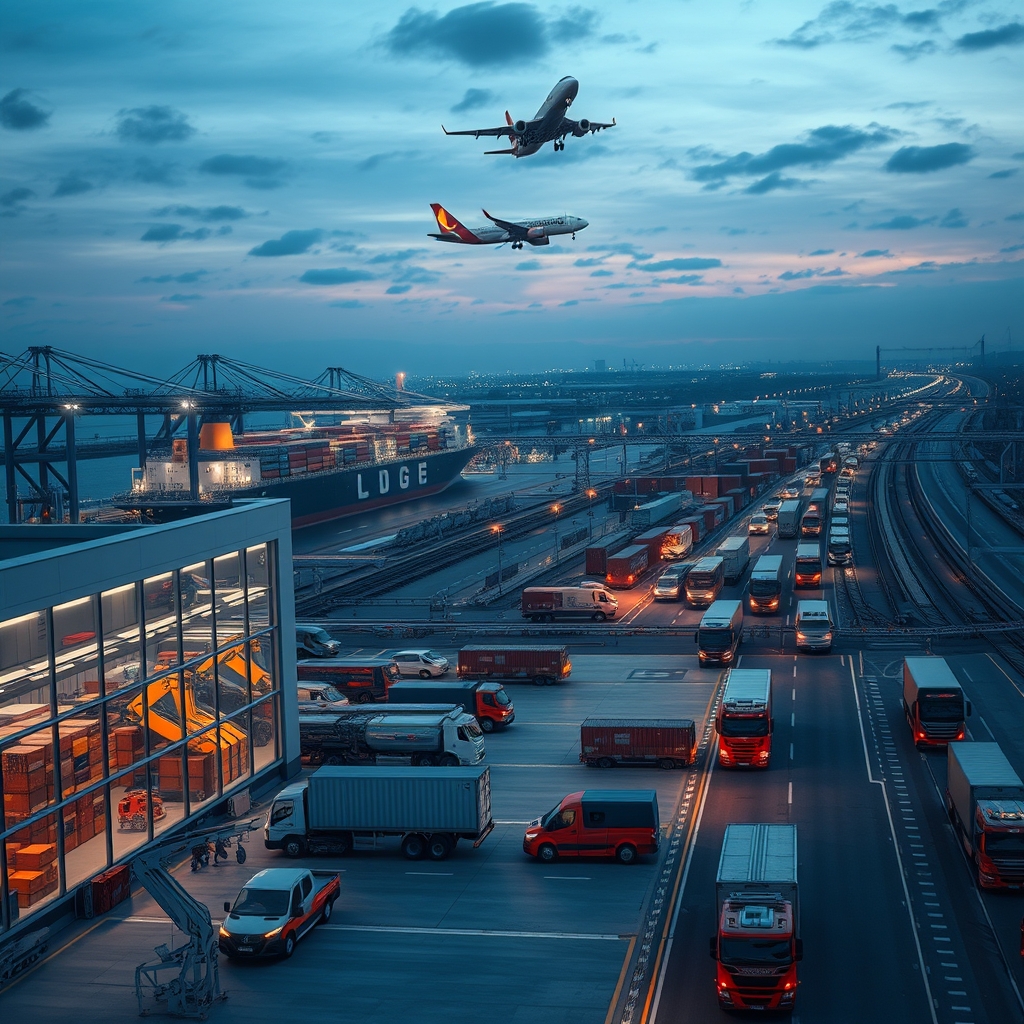
The traditional model of logistics, where each mode of transport operated in isolation, is rapidly becoming obsolete. Today’s supply chains thrive on integration, where maritime transport, air freight, and land transportation are synchronized to optimize speed, cost, and reliability. For instance, a shipment originating from an Asian manufacturing hub might begin its journey via maritime transport, transition to air cargo for expedited delivery, and finally rely on land transportation for last-mile delivery to a retail store or consumer’s doorstep. This multimodal approach not only accelerates delivery times but also mitigates risks associated with delays or disruptions in any single leg of the journey.
Advancements in technology have further amplified the capabilities of integrated transportation services. Real-time tracking systems, AI-driven route optimization, and predictive analytics allow logistics providers to anticipate challenges and adjust dynamically. For example, if a storm delays a maritime shipment, AI algorithms can reroute the cargo to air freight or adjust land transportation schedules to minimize the impact on the overall supply chain. These innovations are not just improving efficiency—they are redefining what’s possible in global logistics.
The Role of Freight Forwarding in Seamless Cargo Shipping
At the heart of integrated transportation services lies freight forwarding, a critical function that acts as the intermediary between shippers and carriers. Freight forwarders leverage their expertise in international trade, customs clearance, and trade compliance to ensure that goods move smoothly across borders. They navigate the complexities of documentation, tariffs, and regulatory requirements, allowing businesses to focus on their core operations without getting bogged down by logistical hurdles.
One of the key advantages of partnering with a freight forwarder is their ability to consolidate shipments. By combining smaller shipments into larger, more cost-effective loads, businesses can reduce transportation costs while maintaining flexibility. This is particularly valuable for small and medium-sized enterprises (SMEs) that may not have the volume to fill an entire container or aircraft. Freight forwarders also provide access to a global network of carriers, ensuring that businesses can tap into the most efficient and reliable transportation options available.
Navigating Trade Compliance and Customs Clearance
Trade compliance and customs clearance are often the most daunting aspects of international logistics. The regulatory landscape is constantly evolving, with new tariffs, trade agreements, and security measures introduced regularly. Non-compliance can result in costly delays, fines, or even the seizure of goods. This is where the expertise of freight forwarders and third-party logistics (3PL) providers becomes invaluable.
Modern logistics providers are increasingly leveraging technology to streamline customs clearance. Automated systems can now process documentation, verify compliance, and even predict potential issues before they arise. For example, AI-powered platforms can analyze historical data to identify patterns in customs inspections, allowing businesses to proactively address potential red flags. This not only reduces the risk of delays but also enhances the overall efficiency of the supply chain.
The Critical Importance of Last-Mile Delivery in E-Commerce Logistics
While the global movement of goods relies heavily on maritime transport and air cargo, the final leg of the journey—last-mile delivery—has emerged as a make-or-break factor in customer satisfaction. The rise of e-commerce has transformed last-mile delivery from a logistical afterthought into a strategic priority. Consumers now expect fast, flexible, and transparent delivery options, and businesses that fail to meet these expectations risk losing market share to competitors.
Innovations in last-mile delivery are reshaping the logistics landscape. Drones, autonomous vehicles, and crowd-sourced delivery networks are just a few of the technologies being deployed to enhance speed and efficiency. For example, companies like Amazon and UPS are experimenting with drone deliveries for small, lightweight packages, while startups are leveraging gig economy workers to provide same-day delivery services. These advancements are not only reducing delivery times but also lowering costs, making last-mile logistics more accessible to businesses of all sizes.
The Role of Warehouse Management in Supporting Transportation Services
Efficient transportation services are only as strong as the warehouse management systems that support them. Warehouses serve as the critical nodes in the supply chain, where goods are stored, sorted, and dispatched to their final destinations. Advanced warehouse management systems (WMS) now integrate with transportation management systems (TMS) to create a seamless flow of information and goods. This integration allows businesses to optimize inventory levels, reduce storage costs, and ensure that products are available when and where they are needed.
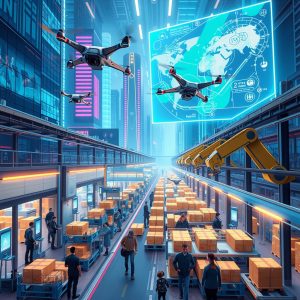
Automation is playing a key role in modern warehouse management. Robotics, AI, and IoT devices are being used to streamline picking, packing, and shipping processes. For example, autonomous mobile robots (AMRs) can navigate warehouses to retrieve items, while AI-powered systems can predict demand and adjust inventory levels accordingly. These technologies not only improve efficiency but also reduce the risk of human error, ensuring that goods are delivered accurately and on time.
As global trade continues to expand, the demand for integrated transportation services will only grow. Businesses that embrace a holistic approach to logistics—one that combines maritime transport, air cargo, land transportation, and last-mile delivery—will be best positioned to thrive in this dynamic environment. The future of logistics lies in connectivity, where every mode of transport, every warehouse, and every delivery route is part of a unified, intelligent network. Those who invest in these capabilities today will not only gain a competitive edge but also shape the future of global commerce itself.