The Strategic Imperative of Multimodal Freight Forwarding: Optimizing Global Logistics Networks
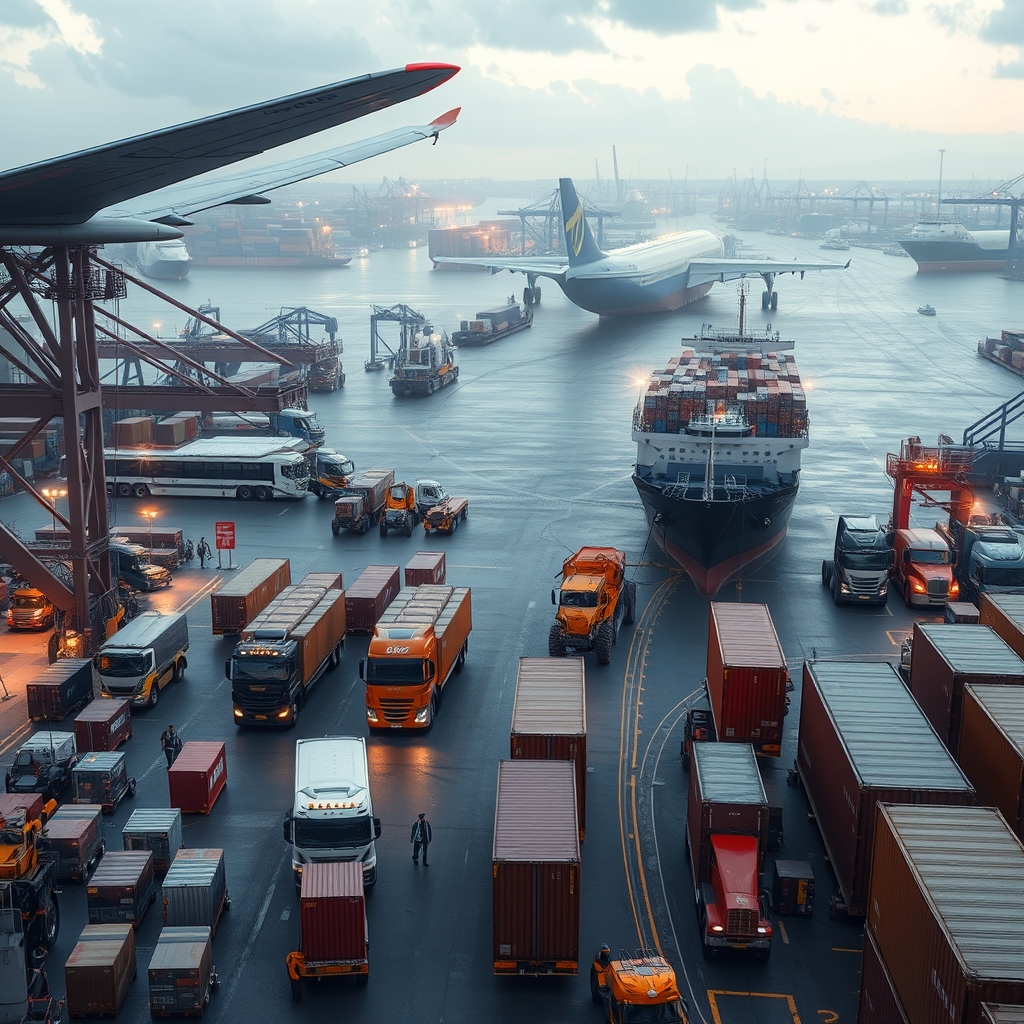
In the vast and complex landscape of global logistics, the need for efficient and resilient supply chains has never been more critical. Among the myriad of strategies and solutions available, multimodal freight forwarding stands out as a cornerstone of modern logistics management. This approach involves the seamless integration of different transportation modes—such as air, sea, and land—to create a cohesive and efficient logistics network. By leveraging the strengths of each mode, businesses can achieve unparalleled flexibility, cost-efficiency, and reliability in their supply chains.
The Importance of Multimodal Freight Forwarding
Multimodal freight forwarding is not just about moving goods from one point to another; it’s about optimizing the entire logistics process. This strategy allows businesses to choose the most suitable transportation mode for each segment of their supply chain, ensuring that goods are transported in the most cost-effective and efficient manner possible. For instance, high-value or time-sensitive cargo can be transported via air, while bulkier or less urgent goods can be shipped via sea or land. This flexibility is crucial in today’s fast-paced global market, where time and cost are often critical factors.
Benefits of Multimodal Freight Forwarding
One of the primary benefits of multimodal freight forwarding is its ability to enhance supply chain resilience. By diversifying the transportation modes used, businesses can mitigate the risks associated with a single mode of transport. For example, if a port is closed due to a natural disaster, goods can be rerouted via another mode, ensuring that the supply chain remains operational. This resilience is particularly valuable in the face of unpredictable global events, such as pandemics or geopolitical conflicts.
Another significant advantage of multimodal freight forwarding is its cost-efficiency. While air and land transportation can be more expensive, the overall cost of transporting goods via multiple modes is often lower than using a single mode. This is because businesses can choose the most cost-effective option for each segment of their supply chain. For instance, transporting goods from a factory to a port via land and then by sea to a destination can be more cost-effective than transporting the same goods via air throughout the journey.
Multimodal freight forwarding also offers enhanced flexibility. Businesses can quickly adapt to changes in their supply chain, such as shifts in demand or supply. This flexibility is crucial in today’s dynamic market, where businesses must be able to respond quickly to changes to stay competitive.
Challenges of Multimodal Freight Forwarding
Despite its numerous benefits, multimodal freight forwarding also presents several challenges. One of the primary challenges is the complexity of managing multiple transportation modes. This requires a high level of coordination and communication between different stakeholders, including carriers, freight forwarders, and customs authorities. Effective communication and coordination are essential to ensure that goods are transported seamlessly from one mode to another.
Another challenge is the need for specialized equipment and infrastructure. Different transportation modes require different types of equipment and infrastructure. For instance, air cargo requires specialized handling equipment, while sea cargo requires large vessels and ports. Ensuring that the necessary equipment and infrastructure are available and properly maintained is crucial for the success of multimodal freight forwarding.
Additionally, multimodal freight forwarding requires a high level of expertise and experience. Managing multiple transportation modes involves a wide range of skills and knowledge, from understanding the regulations and requirements of different countries to negotiating with carriers and managing logistics operations. This expertise is often scarce and expensive, which can be a significant challenge for businesses looking to implement multimodal freight forwarding.
Implementing Multimodal Freight Forwarding
Implementing multimodal freight forwarding requires a strategic approach and a deep understanding of the logistics landscape. The first step is to assess the specific needs and requirements of the supply chain. This involves identifying the types of goods to be transported, the destinations, and the timeframes. Based on this assessment, businesses can then choose the most suitable transportation modes and develop a comprehensive logistics plan.
Once the logistics plan is in place, the next step is to identify and partner with reliable and experienced freight forwarders. These partners can provide the necessary expertise and resources to manage the logistics operations. They can also help businesses navigate the complexities of international trade and ensure that goods are transported seamlessly from one mode to another.
Effective communication and coordination are also crucial for the success of multimodal freight forwarding. Businesses must ensure that all stakeholders are aware of the logistics plan and are committed to its execution. Regular communication and updates can help prevent delays and ensure that goods are transported on time and within budget.
Finally, businesses must continuously monitor and evaluate their logistics operations. This involves tracking the progress of goods, identifying any potential issues, and making adjustments as needed. By continuously monitoring and evaluating their logistics operations, businesses can ensure that their supply chains remain efficient, resilient, and cost-effective.
In conclusion, multimodal freight forwarding is a powerful strategy for optimizing global logistics networks. By leveraging the strengths of different transportation modes, businesses can achieve unparalleled flexibility, cost-efficiency, and resilience in their supply chains. While implementing multimodal freight forwarding presents several challenges, the benefits far outweigh the drawbacks. With the right strategy, expertise, and partners, businesses can successfully implement multimodal freight forwarding and stay ahead in today’s competitive global market.