The Strategic Imperative of Multimodal Freight Forwarding: Optimizing Global Logistics Networks
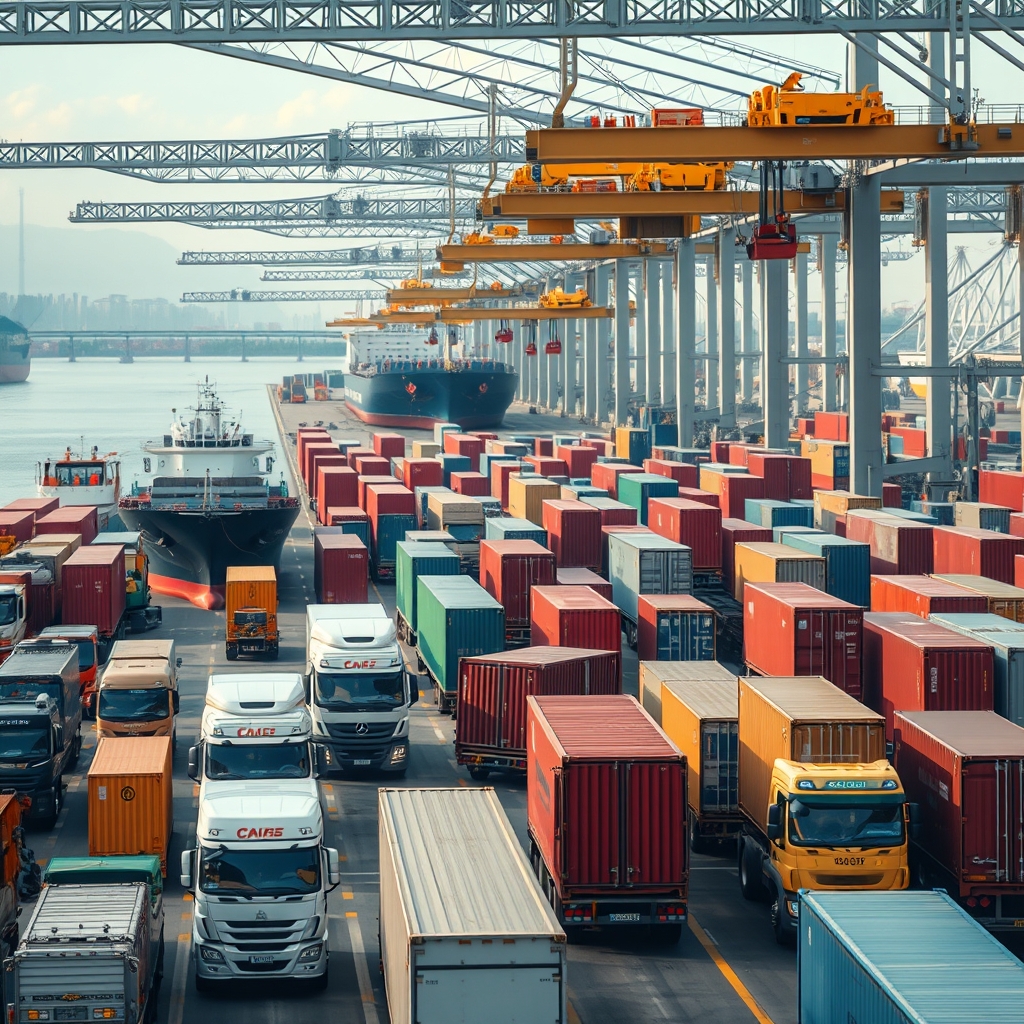
In the vast and intricate landscape of global logistics, the concept of multimodal freight forwarding has emerged as a strategic imperative. This approach involves the seamless integration of various transportation modes, such as maritime, air, and land, to create an efficient and resilient supply chain. By leveraging the unique strengths of each mode, businesses can navigate the complexities of international trade, ensuring timely and cost-effective delivery of goods.
The Multimodal Advantage
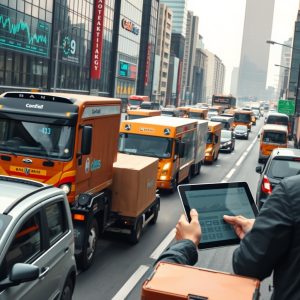
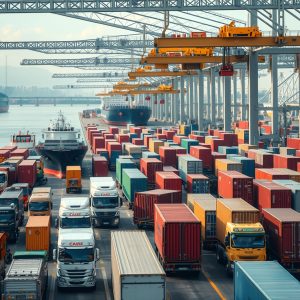
Multimodal freight forwarding offers a myriad of advantages that traditional, single-mode transportation cannot match. For instance, maritime transport is ideal for large volumes of goods over long distances, while air cargo services excel in speed and urgency. Land transportation, on the other hand, provides flexibility and accessibility in urban and regional areas. By combining these modes, businesses can create a balanced and efficient logistics network that adapts to the specific needs of each shipment.
Enhancing Supply Chain Resilience
One of the most significant benefits of multimodal freight forwarding is its ability to enhance supply chain resilience. In the event of disruptions, such as port congestion, natural disasters, or geopolitical issues, having multiple transportation modes ensures that goods can be rerouted or transported via alternative means. This flexibility is crucial in today’s unpredictable global trade environment, where businesses must be prepared to adapt quickly to changing conditions.
Cost-Effective Solutions
Multimodal freight forwarding also offers cost-effective solutions by allowing businesses to choose the most economical transportation mode for each segment of their supply chain. For example, a shipment may start with air cargo to reach a distant destination quickly, followed by maritime transport for the bulk of the journey, and finally land transportation for the final leg to the customer. This approach optimizes costs by leveraging the strengths of each mode without compromising on efficiency.
Challenges and Solutions
While multimodal freight forwarding presents numerous benefits, it also comes with its own set of challenges. Coordinating multiple transportation modes requires sophisticated logistics management and a deep understanding of each mode’s capabilities and limitations. Additionally, the need for intermodal terminals and equipment can add complexity and cost to the process.
Overcoming Coordination Challenges
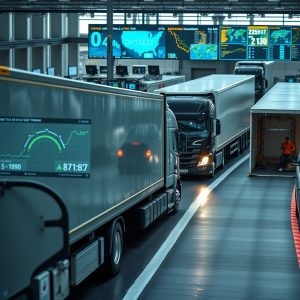
To overcome coordination challenges, businesses must invest in advanced logistics management systems that can integrate and optimize multiple transportation modes. This includes real-time tracking and monitoring, automated documentation, and seamless communication between transportation providers. By leveraging technology, businesses can streamline the coordination process, ensuring that each segment of the supply chain is executed efficiently and on time.
Addressing Intermodal Terminals and Equipment
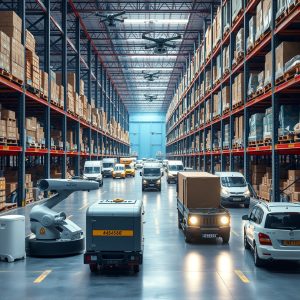
Addressing the challenges of intermodal terminals and equipment requires a strategic approach. Businesses should partner with logistics providers that have extensive experience and infrastructure in intermodal operations. Additionally, investing in standardized equipment and containers can help reduce costs and improve efficiency. By addressing these challenges, businesses can fully harness the benefits of multimodal freight forwarding.
Future Trends
Looking ahead, the future of multimodal freight forwarding is shaped by emerging trends such as digital transformation, sustainability, and the integration of artificial intelligence (AI). Digital transformation is driving the adoption of advanced logistics management systems, real-time tracking, and automated documentation. Sustainability is becoming increasingly important, with businesses seeking to reduce their carbon footprint and adopt eco-friendly transportation solutions. The integration of AI is revolutionizing logistics management, enabling predictive analytics, automated decision-making, and enhanced supply chain visibility.
The Role of Digital Transformation
Digital transformation is playing a crucial role in the evolution of multimodal freight forwarding. Advanced logistics management systems provide real-time tracking and monitoring, automated documentation, and seamless communication between transportation providers. These systems enable businesses to optimize their logistics networks, reduce costs, and improve efficiency. By embracing digital transformation, businesses can stay ahead of the curve and adapt to the changing demands of the global logistics landscape.
Sustainability in Multimodal Freight Forwarding
Sustainability is a key consideration in modern logistics, and multimodal freight forwarding is no exception. Businesses are increasingly seeking to reduce their carbon footprint and adopt eco-friendly transportation solutions. This includes investing in fuel-efficient vehicles, adopting renewable energy sources, and implementing sustainable packaging solutions. By prioritizing sustainability, businesses can not only reduce their environmental impact but also enhance their brand reputation and meet the growing demands of eco-conscious consumers.
The Integration of AI
The integration of AI is revolutionizing logistics management, enabling predictive analytics, automated decision-making, and enhanced supply chain visibility. AI-powered systems can analyze vast amounts of data to identify trends, predict disruptions, and optimize logistics networks. By leveraging AI, businesses can improve efficiency, reduce costs, and enhance supply chain resilience. As AI continues to evolve, its integration into multimodal freight forwarding will become increasingly sophisticated and impactful.
In conclusion, multimodal freight forwarding is a strategic imperative in modern logistics management. By leveraging the unique strengths of various transportation modes, businesses can create efficient and resilient supply chains that adapt to the complexities of international trade. While challenges such as coordination and intermodal terminals exist, they can be overcome through advanced logistics management systems, strategic partnerships, and a commitment to sustainability. As the logistics landscape continues to evolve, the integration of digital transformation, sustainability, and AI will shape the future of multimodal freight forwarding, driving efficiency, cost savings, and environmental responsibility.