The Strategic Role of Real-Time Analytics in Revolutionizing Modern Freight Forwarding and Supply Chain Agility

In an era where global trade moves at the speed of digital transactions, the logistics industry faces unprecedented pressure to deliver faster, smarter, and more reliably than ever before. The backbone of this transformation lies not just in physical infrastructure but in the invisible yet powerful force of real-time analytics. By harnessing the full potential of data-driven insights, freight forwarders and supply chain managers are redefining what it means to operate with agility, precision, and foresight in a complex and often unpredictable global marketplace.
The Data Revolution in Freight Forwarding
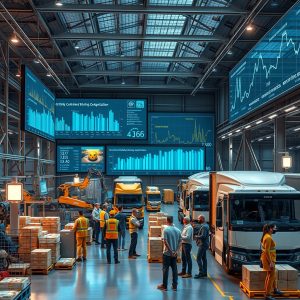
Freight forwarding has long been a game of coordination—balancing schedules, routes, carriers, and compliance requirements across multiple touchpoints. Traditionally, this process relied heavily on experience, intuition, and reactive decision-making. However, the rise of real-time analytics has flipped this paradigm on its head. Today, freight forwarders are equipped with tools that provide live visibility into every stage of the supply chain, from the moment a shipment leaves a warehouse to its final delivery at the customer’s doorstep.
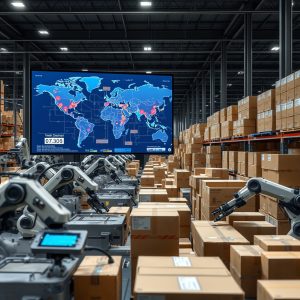
Advanced analytics platforms integrate data from IoT-enabled sensors, GPS tracking, weather forecasts, traffic patterns, and even geopolitical events to create a dynamic, real-time picture of the supply chain. This level of visibility allows logistics teams to anticipate disruptions before they occur, reroute shipments proactively, and optimize fuel consumption, transit times, and costs. For example, a sudden port congestion in Rotterdam or a typhoon in the South China Sea no longer has to spell disaster for a shipment. With real-time analytics, freight forwarders can pivot instantly, rerouting cargo via alternative ports or adjusting schedules to minimize delays.
Enhancing Supply Chain Agility Through Predictive Insights
Agility in supply chain management is not just about reacting quickly—it’s about predicting challenges before they arise and positioning resources to meet demand with surgical precision. Real-time analytics empowers supply chain managers to move from a reactive to a predictive mindset. Machine learning algorithms analyze historical data alongside real-time inputs to forecast demand fluctuations, identify potential bottlenecks, and even predict equipment failures before they happen.
Consider the impact on inventory management. With real-time analytics, warehouses can dynamically adjust stock levels based on live sales data, supplier lead times, and transportation constraints. This eliminates the guesswork that often leads to overstocking or stockouts, both of which can cripple a business’s bottom line. Similarly, in cold chain logistics, real-time monitoring of temperature and humidity ensures that perishable goods—whether pharmaceuticals or fresh produce—remain within compliance thresholds throughout their journey, reducing waste and ensuring product integrity.
The Role of AI in Decision-Making
Artificial intelligence is the engine that drives the real-time analytics revolution. AI-powered tools can process vast amounts of data at speeds no human could match, identifying patterns and correlations that might otherwise go unnoticed. For instance, AI can analyze thousands of shipping routes to determine the most cost-effective and time-efficient path, factoring in variables like fuel costs, tolls, and carrier performance. It can also optimize load planning, ensuring that containers are packed to maximize space and minimize weight imbalances, which in turn reduces shipping costs and carbon emissions.
Moreover, AI enhances trade compliance by automatically cross-referencing shipments against ever-changing regulations in different countries. This reduces the risk of costly delays or fines due to non-compliance, a critical advantage in an era where trade laws are becoming increasingly complex and stringent. For businesses engaged in international trade, this level of automation is not just a competitive edge—it’s a necessity for survival.
Driving Efficiency in Last Mile Delivery
The last mile of delivery is often the most challenging and expensive leg of the supply chain. It’s also where real-time analytics can make the most significant impact. By integrating data from traffic cameras, weather reports, and even social media feeds, logistics providers can dynamically adjust delivery routes to avoid delays. For example, if a major highway is closed due to an accident, the system can instantly recalculate the optimal route for all affected deliveries, ensuring that packages arrive on time despite the disruption.
Real-time analytics also enhances customer experience by providing end-to-end visibility. Customers today expect to track their shipments in real time, receive accurate delivery windows, and be notified of any delays or changes. By leveraging analytics, logistics providers can meet these expectations while also reducing operational costs. For e-commerce businesses, this translates into higher customer satisfaction, repeat business, and a stronger brand reputation.
The Future of Fleet Management
Fleet management is another area where real-time analytics is driving transformative change. Telematics systems equipped with GPS, sensors, and AI can monitor vehicle health, driver behavior, and fuel efficiency in real time. This data allows fleet managers to optimize routes, schedule preventive maintenance, and even coach drivers on safer and more efficient driving practices. The result is lower operational costs, reduced downtime, and a smaller environmental footprint—all of which contribute to a more sustainable and profitable logistics operation.
Overcoming the Challenges of Implementation
While the benefits of real-time analytics are clear, implementing these systems is not without its challenges. Data silos, legacy systems, and resistance to change can all hinder adoption. Many logistics companies still rely on outdated software or manual processes that are incompatible with modern analytics platforms. Additionally, the sheer volume of data generated by IoT devices and tracking systems can be overwhelming, requiring robust infrastructure and skilled personnel to manage and interpret it effectively.
To overcome these challenges, logistics providers must invest in scalable, cloud-based analytics platforms that can integrate seamlessly with existing systems. Training and upskilling employees is equally critical, as the success of any analytics initiative depends on the ability of teams to interpret data and act on insights. Collaboration with technology partners and third-party logistics providers can also accelerate the adoption process, providing access to cutting-edge tools and expertise without the need for massive upfront investments.
As the logistics industry continues to evolve, the ability to harness real-time analytics will separate the leaders from the laggards. Companies that embrace this technology will not only gain a competitive edge but will also be better equipped to navigate the complexities of global trade, from fluctuating demand and supply chain disruptions to ever-changing regulatory landscapes. In a world where speed, accuracy, and adaptability are the keys to success, real-time analytics is not just a tool—it’s the foundation of the next generation of logistics excellence. The future of freight forwarding and supply chain management is here, and it is being written in data, one real-time insight at a time.