Trade Compliance in the Digital Age: How Technology is Transforming Customs Clearance and Global Logistics
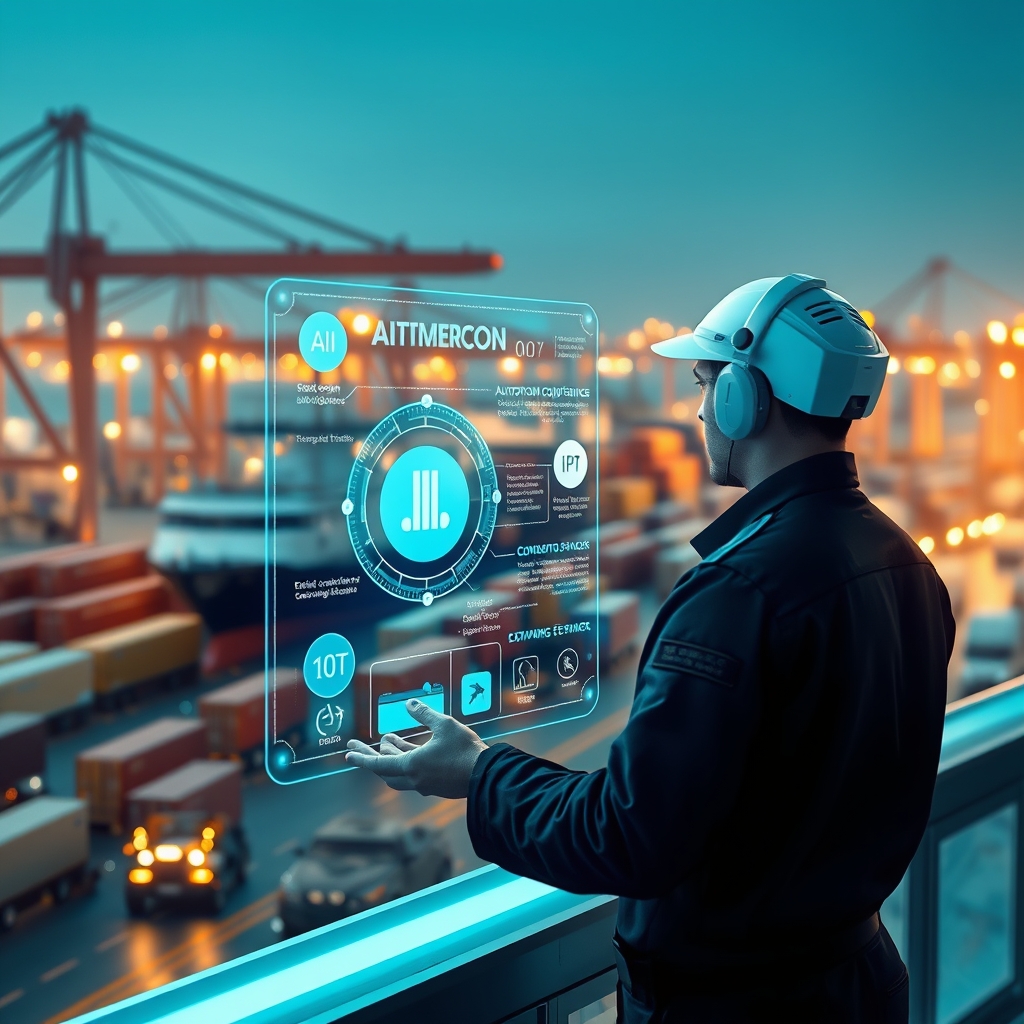
The landscape of international trade is evolving at an unprecedented pace, driven by technological advancements that are reshaping how businesses manage logistics management and supply chain solutions. At the heart of this transformation lies trade compliance—a critical yet often overlooked component that ensures the seamless movement of goods across borders. As global trade volumes continue to rise, the need for efficient, accurate, and transparent customs clearance processes has never been more urgent. The integration of digital tools into trade compliance is not just a trend; it is a necessity for businesses aiming to stay competitive in today’s fast-paced market.
The Digital Revolution in Customs Clearance
Customs clearance has traditionally been a complex and time-consuming process, fraught with paperwork, regulatory hurdles, and the potential for human error. However, the advent of digital technologies such as artificial intelligence (AI), blockchain, and automated compliance platforms is revolutionizing this space. These innovations are enabling freight forwarding and logistics management providers to streamline operations, reduce delays, and enhance transparency. For instance, AI-powered systems can analyze vast amounts of trade data in real-time, identifying potential compliance issues before they escalate into costly delays or penalties.
Blockchain technology, in particular, is emerging as a game-changer for trade compliance. By creating an immutable ledger of transactions, blockchain ensures that all parties involved in the supply chain—from exporters and importers to customs authorities—have access to a single, tamper-proof source of truth. This not only reduces the risk of fraud but also accelerates the customs clearance process by eliminating the need for manual verification of documents. For businesses engaged in international trade, this means faster turnaround times, lower costs, and improved reliability in their logistics operations.
The Role of Automation in Trade Compliance
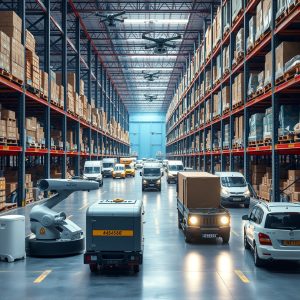
Automation is another key driver of efficiency in trade compliance. Automated compliance platforms leverage machine learning algorithms to continuously monitor regulatory changes across different countries, ensuring that businesses remain compliant with the latest trade laws. These platforms can automatically classify goods, calculate duties and taxes, and generate the necessary documentation for customs clearance. By reducing the reliance on manual processes, automation minimizes the risk of errors and accelerates the flow of goods through the supply chain.
For example, in the realm of e-commerce logistics, where speed and accuracy are paramount, automated compliance tools are indispensable. They enable businesses to process large volumes of shipments quickly, ensuring that packages reach customers without unnecessary delays. Similarly, in cold chain logistics, where temperature-sensitive goods require strict adherence to regulatory standards, automation helps maintain compliance while preserving the integrity of the products.
Enhancing Visibility and Collaboration
One of the most significant benefits of digital trade compliance solutions is the enhanced visibility they provide across the entire supply chain. Real-time tracking and monitoring tools allow businesses to gain insights into the status of their shipments at every stage of the journey, from warehouse management to last mile delivery. This level of transparency is particularly valuable in global logistics, where disruptions can occur at any point in the distribution network.
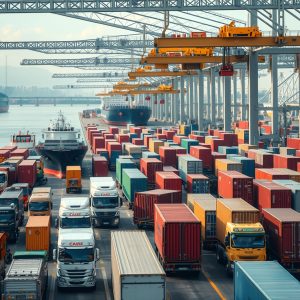
Moreover, digital platforms facilitate better collaboration between stakeholders in the supply chain. Customs authorities, freight forwarders, and transportation services providers can share data seamlessly, reducing the likelihood of miscommunication and errors. For instance, in maritime transport, digital compliance tools enable ports to pre-clear shipments before they arrive, significantly reducing congestion and delays. Similarly, in air cargo services, real-time data sharing ensures that shipments are processed efficiently, minimizing the risk of bottlenecks.
Overcoming Challenges in Digital Trade Compliance
While the benefits of digital trade compliance are clear, businesses must also navigate several challenges to fully leverage these technologies. One of the primary hurdles is the complexity of global trade regulations, which vary significantly from one country to another. Keeping up with these changes requires a robust compliance strategy, supported by advanced technology and expert knowledge. Additionally, the integration of digital tools into existing logistics management systems can be a daunting task, particularly for small and medium-sized enterprises (SMEs) with limited resources.
Data security is another critical concern. As businesses increasingly rely on digital platforms to manage trade compliance, they must ensure that sensitive information is protected from cyber threats. This requires investing in secure, encrypted systems and implementing strict access controls to safeguard data. Furthermore, businesses must be prepared to adapt to the evolving regulatory landscape, where new laws and standards are continually being introduced to address emerging challenges in global trade.
The Future of Trade Compliance: A Connected Ecosystem
Looking ahead, the future of trade compliance lies in the creation of a fully connected ecosystem, where digital technologies enable seamless integration between all stakeholders in the supply chain. This vision includes the use of Internet of Things (IoT) devices to monitor shipments in real-time, AI-driven predictive analytics to anticipate compliance issues, and cloud-based platforms to facilitate collaboration across borders. As these technologies mature, they will further enhance the efficiency, transparency, and resilience of global logistics networks.
For businesses involved in export-import operations, embracing digital trade compliance is no longer optional—it is a strategic imperative. Those who fail to adapt risk falling behind in an increasingly competitive market, where speed, accuracy, and compliance are the keys to success. By leveraging the power of technology, businesses can transform trade compliance from a cumbersome obligation into a competitive advantage, driving growth and innovation in the global marketplace.
The journey toward digital trade compliance is not without its challenges, but the rewards are well worth the effort. As businesses continue to navigate the complexities of international trade, technology will serve as their most powerful ally, enabling them to overcome obstacles and unlock new opportunities in the ever-evolving world of global logistics. The shift toward a more connected, efficient, and transparent supply chain is already underway, and those who embrace it will be best positioned to thrive in the digital age.