The Backbone of Global Commerce: Understanding Maritime Transport and Its Vital Role
In the intricate web of global commerce, few elements are as foundational and impactful as maritime transport. It is the silent giant that carries the vast majority of international trade, connecting continents and enabling the flow of goods that power our modern world. From the raw materials that fuel manufacturing to the finished products that fill our homes, ships are the unsung heroes of the global supply chain. Understanding the nuances of this sector is crucial for anyone involved in international trade, export-import business, or global logistics management.
The Unmatched Capacity of Sea Freight
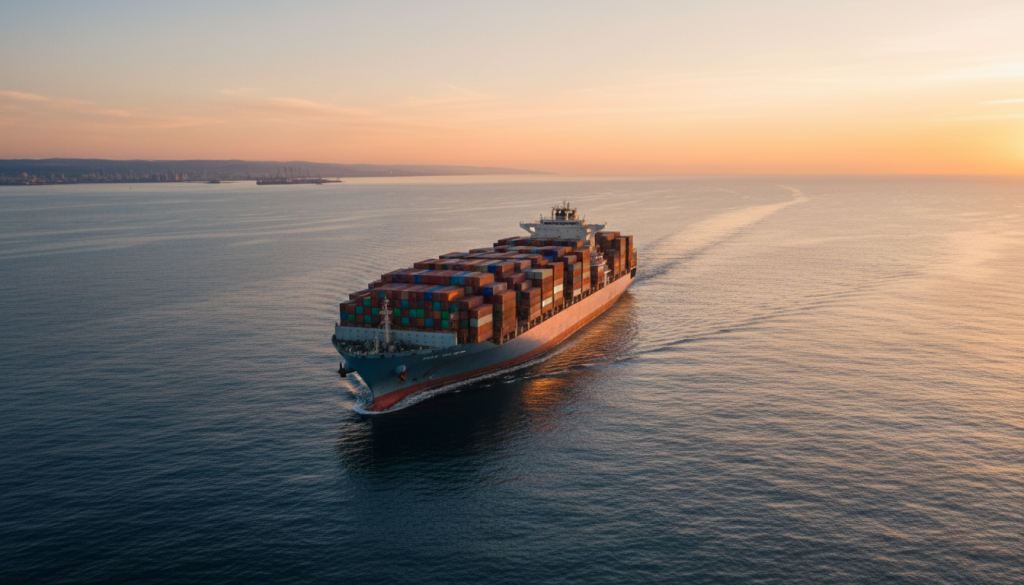
When it comes to moving large volumes of goods across vast distances, maritime transport stands unparalleled. Container ships, bulk carriers, and tankers possess an enormous carrying capacity that simply cannot be matched by air cargo services or land transportation. This inherent efficiency translates directly into cost-effectiveness, making sea freight the preferred method for the majority of international shipments. While it may not be the fastest option, its ability to handle massive quantities at a lower per-unit cost makes it indispensable for the economic viability of countless industries.
Navigating the Complexities of Maritime Logistics
The world of maritime logistics is far from simple. It involves a complex interplay of various factors, including vessel scheduling, port operations, cargo handling, and international regulations. Freight forwarding companies play a pivotal role in orchestrating these elements, acting as the crucial link between shippers and carriers. They manage the booking of space on vessels, handle documentation, arrange for customs clearance, and often coordinate with other transportation services to ensure seamless door-to-door delivery. This requires deep expertise in trade compliance, an understanding of different shipping routes, and the ability to navigate potential disruptions.
The Importance of Port Infrastructure and Operations
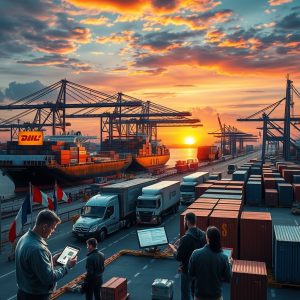
The efficiency of maritime transport is heavily reliant on the quality and capacity of port infrastructure. Modern container terminals are highly sophisticated operations, employing advanced technology for loading and unloading cargo. The speed at which ships can be serviced directly impacts transit times and overall supply chain performance. Investments in dredging, crane technology, and efficient yard management are critical for ports to remain competitive in the global arena. Delays at ports can ripple through the entire supply chain, leading to increased costs and potential stockouts.
Challenges and Innovations in the Maritime Sector
Despite its dominance, maritime transport faces its share of challenges. Environmental concerns, such as emissions and pollution, are driving innovation towards greener shipping solutions, including the development of alternative fuels and more efficient vessel designs. Geopolitical instability, piracy, and the ever-present risk of natural disasters can disrupt shipping lanes and impact global trade flows. Furthermore, the increasing demand for faster delivery times, particularly in e-commerce logistics, puts pressure on traditional shipping models. In response, the industry is embracing digitalization, with advancements in tracking technologies, predictive analytics, and automated port operations aiming to enhance efficiency and transparency.
The Synergy with Other Logistics Services
Maritime transport rarely operates in isolation. It forms the backbone of a larger distribution network and is intrinsically linked with other logistics management services. Once goods arrive at port, they must be efficiently transferred to their final destinations. This often involves land transportation, such as trucking or rail, and may require sophisticated warehouse management systems for temporary storage. For specialized goods, such as those requiring cold chain logistics, the seamless transition from ship to refrigerated transport is paramount. Third-party logistics (3PL) providers often integrate these various modes of transport and services, offering comprehensive supply chain solutions that leverage the strengths of maritime transport while mitigating its potential weaknesses.
The future of global commerce will undoubtedly continue to be shaped by the evolution of maritime transport. As technology advances and the demands of international trade shift, the industry will adapt, striving for greater efficiency, sustainability, and resilience. The sheer scale and economic impact of shipping ensure its continued relevance, making it a critical area of focus for businesses aiming to thrive in the interconnected global marketplace. Embracing the complexities and opportunities within this vital sector is key to unlocking true global reach and ensuring the smooth, cost-effective movement of goods that sustain our economies.