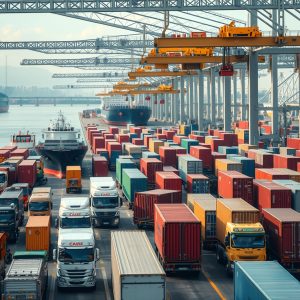
Optimizing Export-Import Business: Navigating the Complexities of International Trade and Trade Compliance
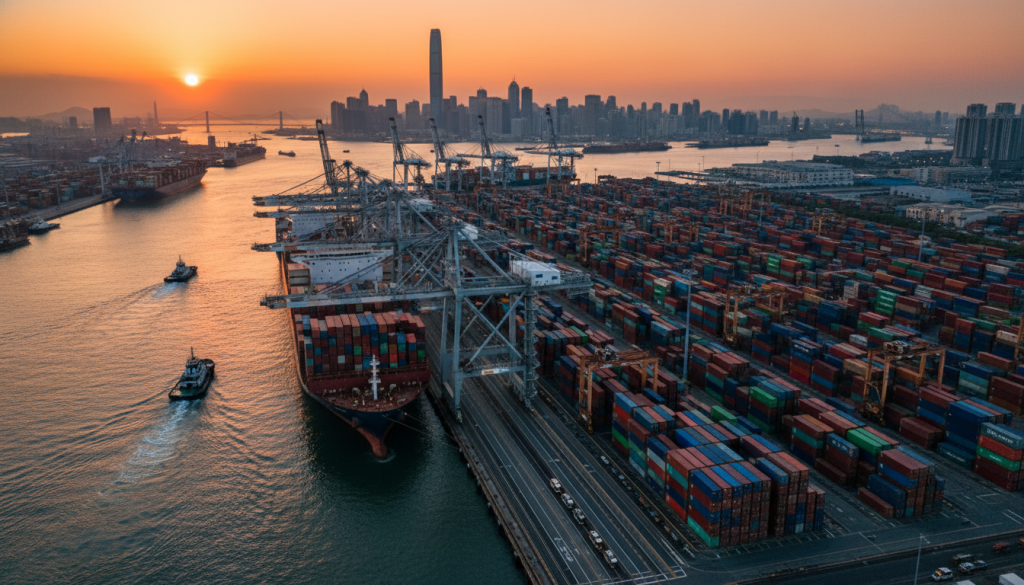
In today’s interconnected world, the ability to successfully navigate the intricacies of international trade is paramount for businesses aspiring to global reach. The export-import business, at its core, is about facilitating the movement of goods and services across national borders. This process, while incredibly rewarding, is fraught with challenges that demand meticulous planning, robust logistics management, and a deep understanding of various regulations. From sourcing raw materials to delivering finished products to overseas markets, every step in the supply chain must be optimized to ensure efficiency, cost-effectiveness, and compliance.
Understanding the Foundations of International Trade
At its heart, international trade involves the exchange of goods and services between countries. For businesses looking to expand their horizons, this means identifying opportunities in foreign markets, understanding consumer demand, and establishing reliable channels for exporting their products. Conversely, it also involves importing necessary components or finished goods to meet domestic needs or enhance product offerings. This dynamic interplay requires a comprehensive understanding of global economics, currency fluctuations, and geopolitical factors that can influence trade flows. The success of an export-import business hinges on its ability to identify these opportunities and mitigate the inherent risks.
The Pillars of Logistics Management in Export-Import
Effective logistics management is the engine that drives international trade. It encompasses a wide array of activities, including transportation services, cargo shipping, warehouse management, and distribution network optimization. When goods cross borders, the complexity of these operations escalates significantly. Choosing the right mode of transport – whether it’s air cargo services for time-sensitive goods, maritime transport for bulk commodities, or land transportation for regional distribution – is a critical decision. Each option comes with its own set of costs, transit times, and handling requirements. Furthermore, ensuring that goods are stored safely and efficiently in strategically located warehouses, and then distributed effectively to their final destinations, is crucial for maintaining product integrity and customer satisfaction.
Navigating the Maze of Trade Compliance and Customs Clearance
Perhaps one of the most daunting aspects of the export-import business is adhering to trade compliance and navigating customs clearance procedures. Each country has its own set of import and export regulations, tariffs, duties, and documentation requirements. Failure to comply can lead to significant delays, hefty fines, or even the seizure of goods. This is where specialized knowledge becomes indispensable. Understanding Harmonized System (HS) codes, obtaining necessary permits and licenses, and preparing accurate customs declarations are vital tasks. Many businesses opt for the expertise of third-party logistics (3PL) providers who specialize in customs brokerage and trade compliance, allowing them to focus on their core competencies while ensuring smooth passage through customs.
The Role of Freight Forwarding and Global Logistics Partners
Freight forwarding plays a pivotal role in streamlining the international shipping process. Freight forwarders act as intermediaries, coordinating with various carriers, managing documentation, and ensuring that goods are transported efficiently from origin to destination. They possess invaluable expertise in international trade routes, regulations, and market dynamics. Partnering with a reputable freight forwarder can unlock access to a global logistics network, providing businesses with competitive rates and tailored solutions. These partners are essential in managing the complexities of global logistics, from booking cargo space to tracking shipments and handling unforeseen issues. Their comprehensive understanding of the supply chain ecosystem ensures that goods move seamlessly across continents.
Leveraging Technology for Enhanced Supply Chain Solutions
In the modern era, technology is revolutionizing supply chain solutions. Advanced software for warehouse management, real-time tracking of shipments, and data analytics are empowering businesses to gain greater visibility and control over their operations. For e-commerce logistics, where speed and accuracy are critical, these technological advancements are indispensable. Tools that optimize last mile delivery routes, manage inventory levels effectively, and provide predictive insights into potential disruptions are transforming how businesses operate. Embracing these innovations allows companies to build more resilient, agile, and customer-centric supply chains, ultimately enhancing their competitive edge in the global marketplace.
Ultimately, the success of any export-import venture rests on a delicate balance of strategic planning, operational excellence, and unwavering attention to detail. By understanding the fundamental principles of international trade, mastering the complexities of logistics management, diligently adhering to trade compliance, and leveraging the expertise of specialized partners and cutting-edge technologies, businesses can not only overcome the inherent challenges but also unlock unprecedented opportunities for growth and expansion on the global stage. The journey of taking products to the world, and bringing the world’s products to your doorstep, is a testament to human ingenuity and the power of collaboration in a truly globalized economy.