Optimizing Global Trade: The Critical Role of Modern Logistics Management in Supply Chain Success
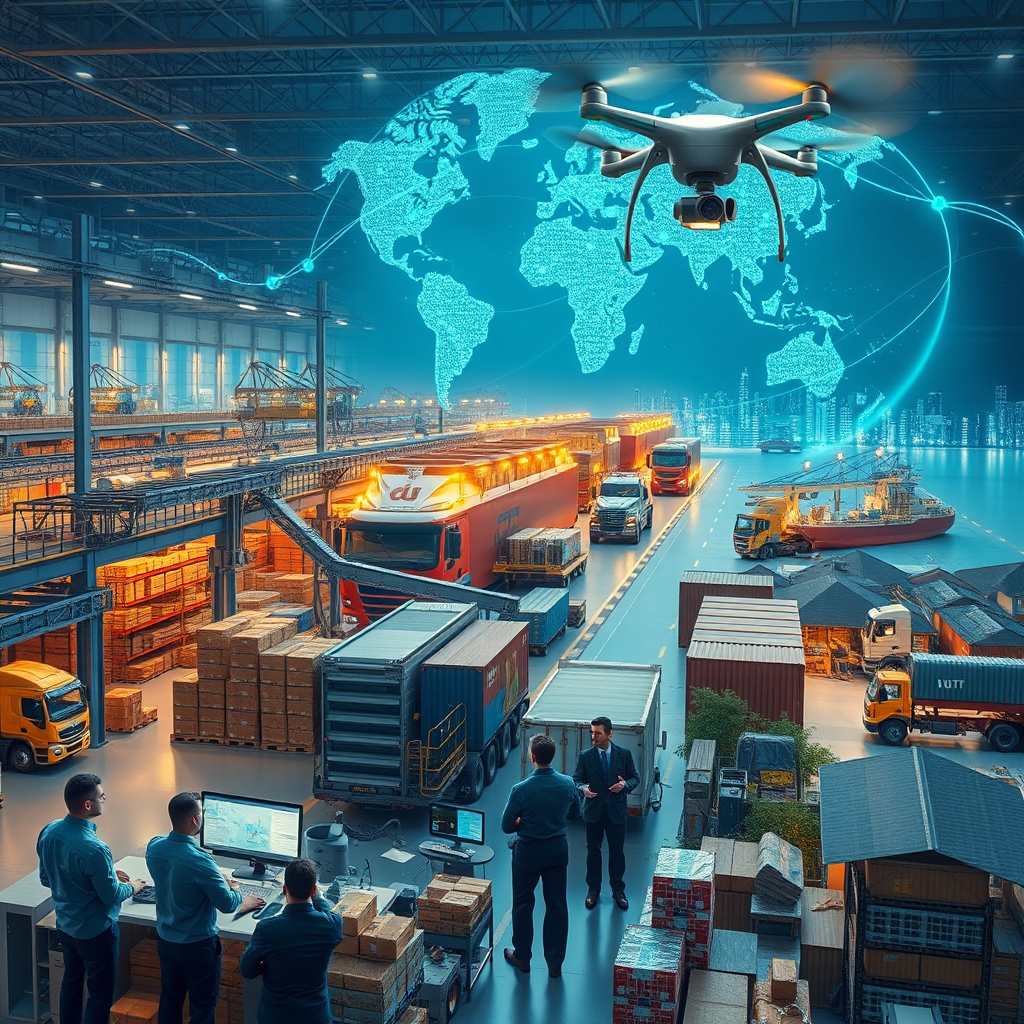
In an era where global commerce moves at unprecedented speeds, effective logistics management has become the backbone of successful international trade. Businesses that fail to prioritize streamlined supply chain solutions risk falling behind competitors, facing delays, and incurring unnecessary costs. From freight forwarding to last mile delivery, every link in the chain must function seamlessly to ensure goods reach their destination efficiently and intact.
The Evolution of Logistics in Global Trade
The landscape of cargo shipping and transportation services has transformed dramatically over the past few decades. What was once a fragmented process involving multiple intermediaries has now evolved into a highly integrated system powered by technology and data-driven decision-making. Companies leveraging advanced warehouse management systems and real-time tracking tools can monitor shipments from origin to destination, reducing risks and improving transparency.
This evolution is particularly evident in e-commerce logistics, where consumer expectations for fast, reliable delivery have reshaped distribution strategies. Businesses must now balance speed with cost-effectiveness, often relying on third-party logistics (3PL) providers to handle complex fulfillment operations. The rise of global logistics networks has also enabled smaller enterprises to compete on an international scale, breaking down barriers that once limited market access.
Key Challenges in Freight Forwarding and Customs Clearance
Despite advancements, freight forwarding remains a complex endeavor, especially when dealing with cross-border shipments. One of the most persistent challenges is navigating trade compliance and customs clearance procedures. Regulations vary significantly between countries, and even minor documentation errors can lead to costly delays or penalties. Businesses must stay informed about changing trade laws, tariffs, and import/export restrictions to avoid disruptions.
Another critical issue is the unpredictability of maritime transport and air cargo services. Factors such as port congestion, weather disruptions, and geopolitical tensions can impact transit times and shipping costs. To mitigate these risks, companies often diversify their distribution networks, utilizing a mix of land transportation, sea freight, and air freight to maintain flexibility. Additionally, partnerships with experienced customs brokers can help streamline clearance processes, ensuring compliance while minimizing delays.
The Growing Importance of Cold Chain Logistics
For industries dealing with perishable goods, such as pharmaceuticals, food, and beverages, cold chain logistics is a non-negotiable aspect of supply chain management. Maintaining the integrity of temperature-sensitive products requires specialized infrastructure, including refrigerated warehouses, climate-controlled transportation, and real-time monitoring systems. Any breakdown in the cold chain can result in spoilage, financial losses, and reputational damage.
Advancements in IoT (Internet of Things) technology have revolutionized cold chain management by enabling continuous temperature tracking and automated alerts. These innovations allow logistics providers to intervene proactively if conditions deviate from acceptable ranges, ensuring product safety throughout the journey. As global demand for fresh and frozen goods continues to rise, the role of cold chain logistics will only become more critical in sustaining supply chain resilience.
Fleet Management and Last Mile Delivery Innovations
The final leg of the supply chain, last mile delivery, is often the most challenging and expensive. Urban congestion, traffic restrictions, and high customer expectations for fast, flexible delivery options create significant hurdles for businesses. To address these issues, companies are investing in fleet management solutions that optimize routes, reduce fuel consumption, and improve driver efficiency.
Emerging technologies such as autonomous delivery vehicles, drones, and AI-driven predictive analytics are also transforming last mile logistics. For example, some retailers are experimenting with micro-fulfillment centers located closer to urban areas, enabling faster order processing and reducing delivery times. These innovations not only enhance customer satisfaction but also contribute to sustainability efforts by minimizing carbon emissions.
The Future of Supply Chain Solutions
As businesses continue to expand their global footprint, the demand for agile and scalable supply chain solutions will only intensify. The integration of artificial intelligence, blockchain, and machine learning into logistics operations promises to further enhance efficiency, security, and transparency. For instance, blockchain technology can provide an immutable record of transactions, reducing fraud and improving trust among supply chain partners.
Moreover, the shift toward sustainability is driving the adoption of eco-friendly practices in logistics. Companies are exploring alternative fuels, electric vehicles, and carbon-neutral shipping options to align with environmental regulations and consumer preferences. Those that embrace these changes will not only future-proof their operations but also gain a competitive edge in an increasingly conscientious market.
The interplay between technology, regulation, and consumer demand will continue to shape the logistics industry. Businesses that proactively adapt to these dynamics—whether by optimizing their export-import operations, enhancing warehouse management, or refining their distribution networks—will be best positioned to thrive in the fast-paced world of global trade. The key lies in viewing logistics not as a mere operational necessity but as a strategic asset capable of driving growth, innovation, and long-term success.