
The Strategic Role of Third-Party Logistics in Optimizing International Trade and Supply Chain Resilience
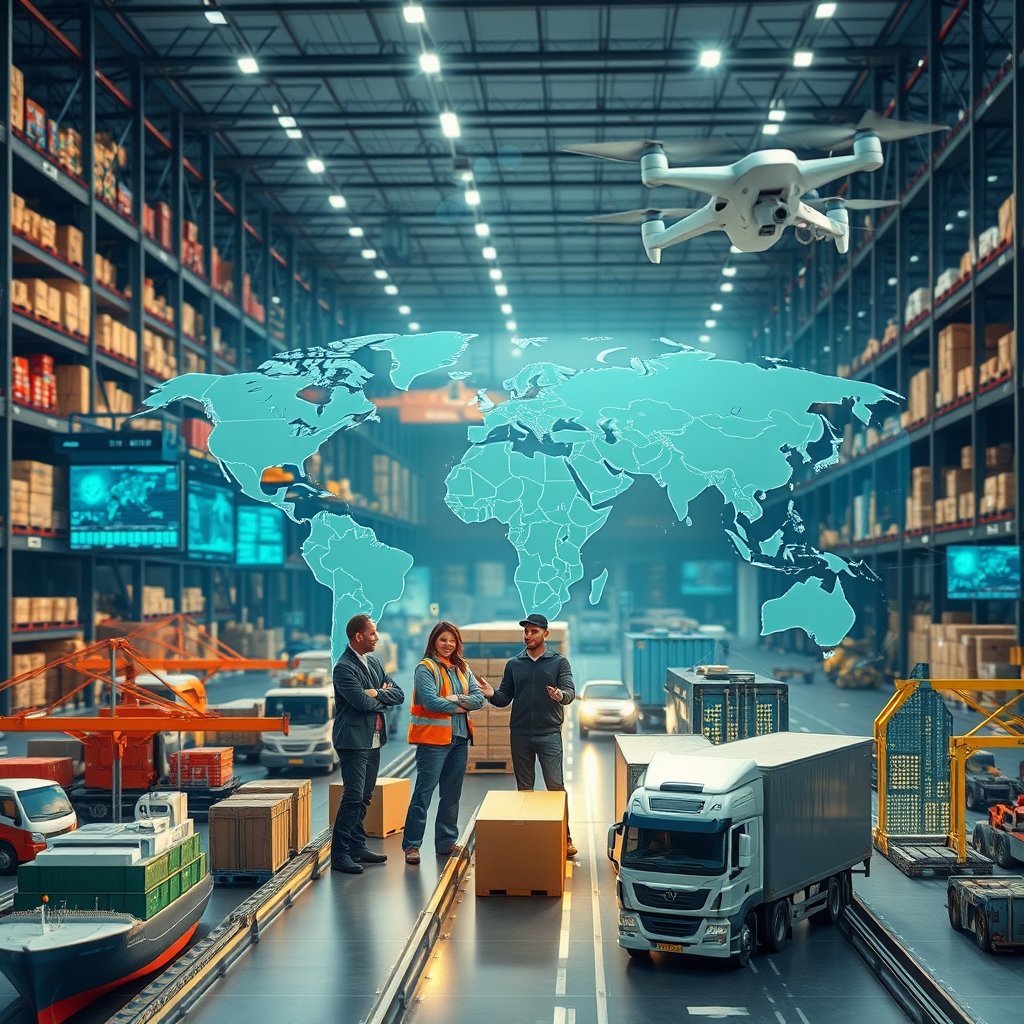
In an era where global trade is more interconnected than ever, businesses face mounting pressure to streamline operations, reduce costs, and enhance efficiency. The complexities of international logistics—spanning customs clearance, freight forwarding, and last-mile delivery—demand expertise that many companies lack in-house. This is where third-party logistics (3PL) providers step in, offering specialized solutions that transform supply chain management from a challenge into a competitive advantage.
The Evolution of Third-Party Logistics
Third-party logistics has evolved far beyond its origins as a simple outsourcing model for transportation and warehousing. Today, 3PL providers act as strategic partners, integrating advanced technologies like AI-driven analytics, IoT-enabled tracking, and blockchain for trade compliance. These innovations enable real-time visibility across the supply chain, allowing businesses to anticipate disruptions, optimize routes, and ensure seamless cargo shipping.
For export-import businesses, 3PL providers offer more than just logistical support—they provide a gateway to global markets. By leveraging their expertise in trade compliance and customs clearance, companies can navigate regulatory hurdles with ease, avoiding costly delays and penalties. This is particularly critical in industries like e-commerce logistics, where speed and reliability are paramount to customer satisfaction.
Enhancing Supply Chain Resilience
The COVID-19 pandemic exposed vulnerabilities in global supply chains, underscoring the need for resilience. 3PL providers play a pivotal role in mitigating risks by diversifying distribution networks, optimizing warehouse management, and implementing contingency plans for disruptions. For instance, during the pandemic, many 3PLs pivoted to support cold chain logistics, ensuring the uninterrupted flow of perishable goods despite border closures and transportation bottlenecks.
Moreover, 3PLs enable businesses to scale operations dynamically. Whether expanding into new markets or managing seasonal demand fluctuations, companies can rely on their 3PL partners to adjust fleet management, air cargo services, or maritime transport capacity without the burden of fixed infrastructure costs. This flexibility is a game-changer for businesses seeking agility in an unpredictable global trade landscape.
The Technology Driving 3PL Innovation
Technology is the backbone of modern 3PL services. Advanced software solutions enable end-to-end visibility, from the moment a shipment leaves a warehouse to its final delivery. AI-powered predictive analytics help businesses forecast demand, optimize inventory levels, and reduce waste. Meanwhile, automation in warehouse management accelerates order fulfillment, reducing human error and improving efficiency.
For industries reliant on time-sensitive deliveries, such as e-commerce or pharmaceuticals, 3PL providers offer tailored solutions like same-day last-mile delivery or temperature-controlled transportation. These specialized services ensure that products reach consumers in optimal condition, reinforcing brand trust and loyalty. Additionally, digital platforms for customs clearance streamline documentation processes, reducing the risk of compliance violations and expediting cross-border shipments.
Sustainability and Cost Efficiency
Beyond operational efficiency, 3PL providers are increasingly focused on sustainability. By consolidating shipments, optimizing routes, and leveraging eco-friendly transportation options, they help businesses reduce their carbon footprint. This aligns with growing consumer demand for environmentally responsible practices and regulatory pressures to adopt greener logistics solutions.
Cost efficiency remains a core benefit of partnering with a 3PL. Outsourcing logistics functions eliminates the need for capital investment in warehouses, vehicles, and technology. Instead, businesses can allocate resources to core competencies, such as product development or marketing, while their 3PL partner handles the complexities of global logistics. This model not only reduces overhead but also enhances scalability, allowing companies to grow without the constraints of logistical limitations.
Choosing the Right 3PL Partner
Selecting a 3PL provider is a strategic decision that requires careful consideration. Businesses should evaluate potential partners based on their industry expertise, technological capabilities, and global reach. For example, a company specializing in maritime transport may not be the best fit for an e-commerce business reliant on air cargo services. Similarly, a 3PL with a robust distribution network in Asia may not offer the same advantages for a company focused on North American markets.
Transparency and communication are also critical. A reliable 3PL partner should provide real-time tracking, proactive updates, and responsive customer support. This ensures that businesses can monitor their supply chains effectively and address issues before they escalate. Additionally, companies should assess a 3PL’s commitment to innovation, as providers that invest in emerging technologies will be better equipped to adapt to future challenges.
The role of third-party logistics in modern supply chains cannot be overstated. By outsourcing logistical functions to specialized providers, businesses gain access to expertise, technology, and global networks that would be prohibitively expensive to develop in-house. Whether navigating the complexities of international trade, optimizing last-mile delivery, or ensuring compliance with ever-changing regulations, 3PLs offer the tools and insights needed to thrive in a competitive marketplace. As global trade continues to evolve, the partnership between businesses and 3PL providers will remain a cornerstone of efficient, resilient, and sustainable supply chain management, enabling companies to focus on what they do best while leaving the logistics to the experts.